























 IT Managed & Outsourcing
 Leader in AI-First Product Engineering Read Full Article
 Contact Us

We establish technical relationships with enterprise applications that enable AI to integrate with software. Models can be accessed via APIs, databases, and application interfaces designed for production use, and can trigger workflows and return results.
Our Core Capabilities:










From model training to enterprise deployment, we build AI that delivers at scale.
AI-Powered Solutions Delivered
Data Scientists and AI Engineers Onboard
Custom AI Models Trained and Deployed
Enterprise AI Integrations Completed
Bespoke LLMs Fine-Tuned
Strategic AI Partnerships







AI integration works better when your systems, data, and infrastructure are ready for it. We assess your current environment to identify gaps and define what needs attention before integration begins.

Generative AI can become part of everyday business workflows when connected to the right systems and data. We integrate LLMs and multimodal models with enterprise platforms while keeping access and usage controlled.

AI agents need access to the right systems, data, and business functions to perform tasks beyond simple conversations. Our AI agent integration services connect agents with enterprise tools and workflows while keeping actions within defined controls.

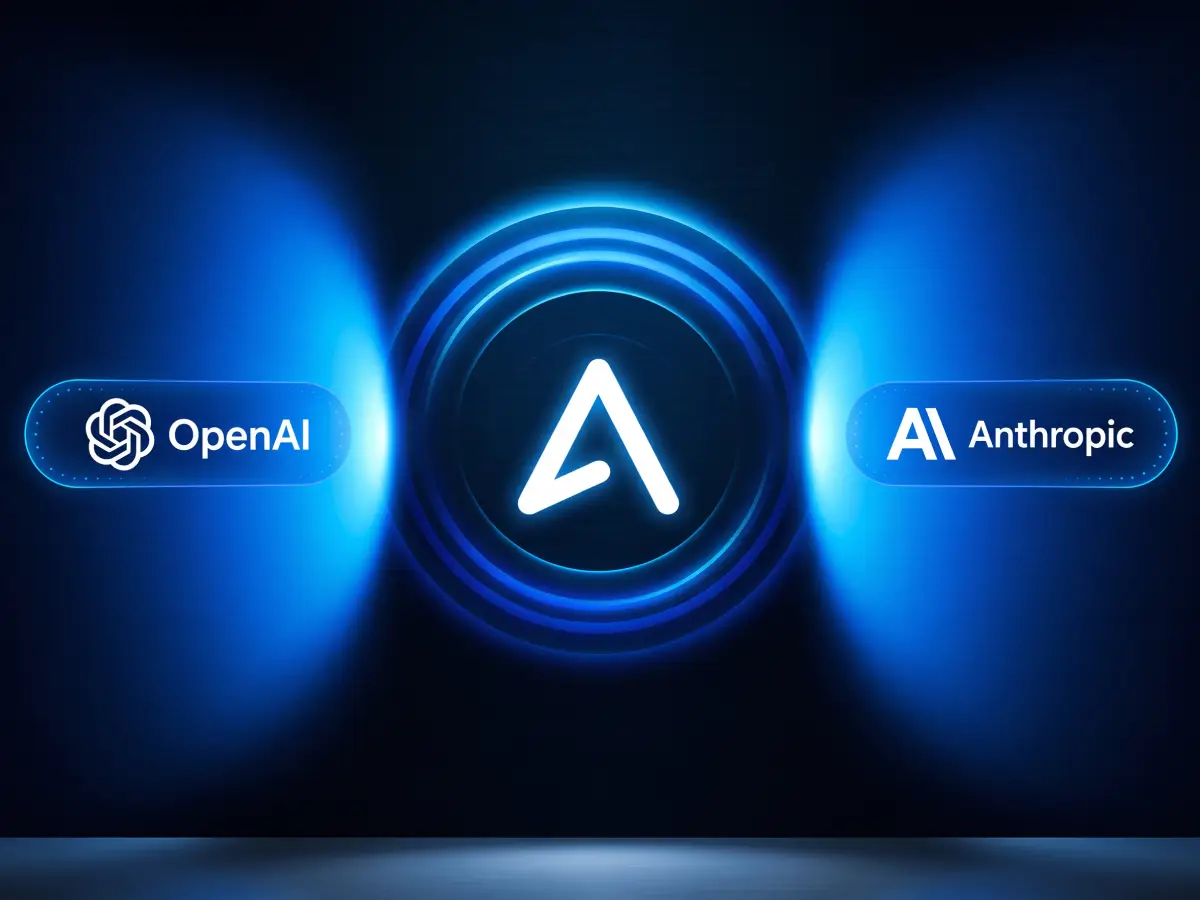
AI APIs connect models such as OpenAI GPT, Anthropic Claude, and Meta Llama with the applications businesses already use. We integrate these with existing software, workflows, and data sources to support real-time processing and automated actions.

Enterprise AI adoption often involves connecting AI with ERP, CRM, cloud platforms, internal applications, and business workflows. Our services bring these systems together through secure integration layers and well-defined data flows.

The right AI model needs to work within the applications and workflows where its output is used. We integrate foundation models, custom models, and third-party models with enterprise systems based on specific business requirements.

AI depends on reliable access to relevant business data. Our data integration services connect AI systems with databases, data warehouses, APIs, documents, and other sources while supporting controlled data movement.

Cloud environments provide the infrastructure needed to run and scale AI workloads across enterprise applications. We connect AI services with AWS, Azure, Google Cloud, and existing cloud architectures based on workload and security needs.

AI chatbots become more useful when they can access business systems and act on user requests. Our AI chatbot integration services connect bots with CRMs, knowledge bases, APIs, and internal platforms.
Most AI projects stall at the pilot stage. Break through with an integration roadmap built for your systems, your data, and your business priorities.


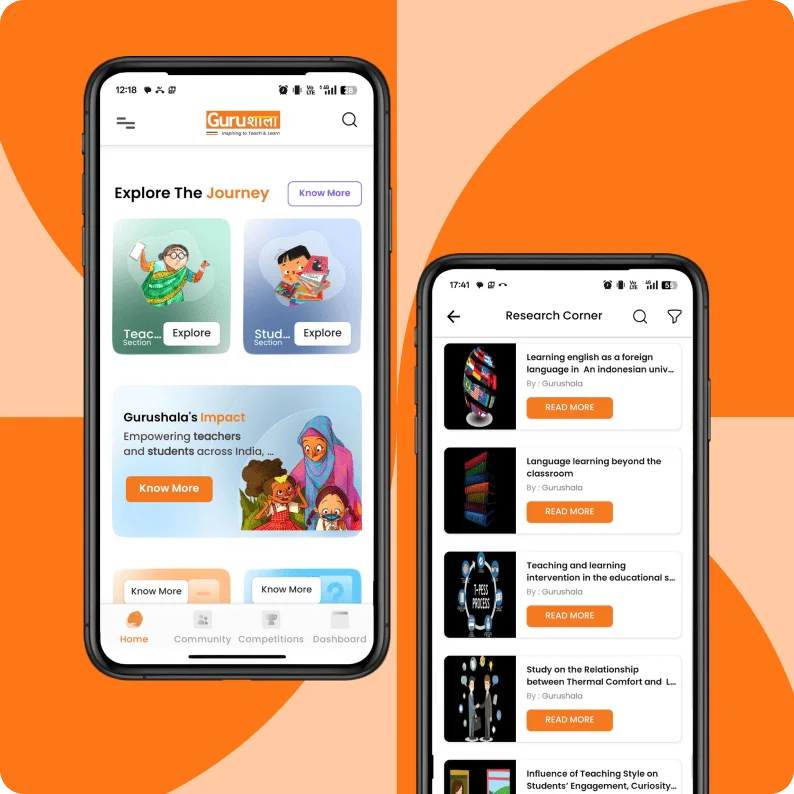
Gurushala was spending significant time manually turning learning material into usable questions. They needed an AI-led way to structure content correctly, follow academic taxonomies, and still keep teachers in control of quality.

We designed an AI workflow that processes documents and videos using NLP and OCR, then generates questions through LLMs. Educators review, refine, and approve outputs before they are published.

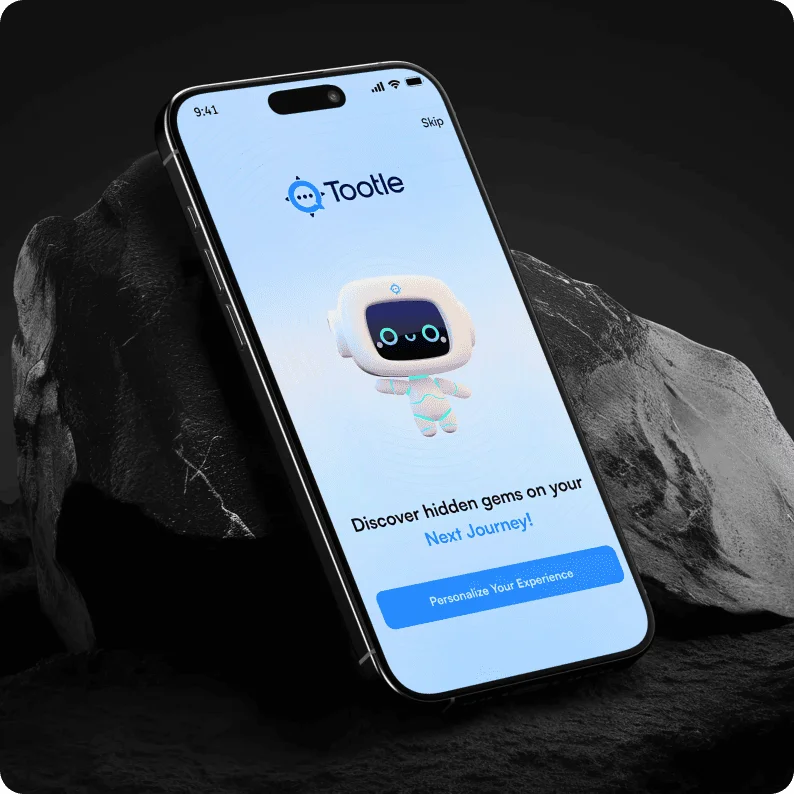
Tootle wanted an AI assistant that felt useful in real travel situations. Users needed quick, reliable answers through voice or text, without losing context or switching between apps.
We developed an AI agent that pulls live data from multiple sources, understands follow-up questions, and responds through voice or text. The system summarizes results into clear, usable recommendations.
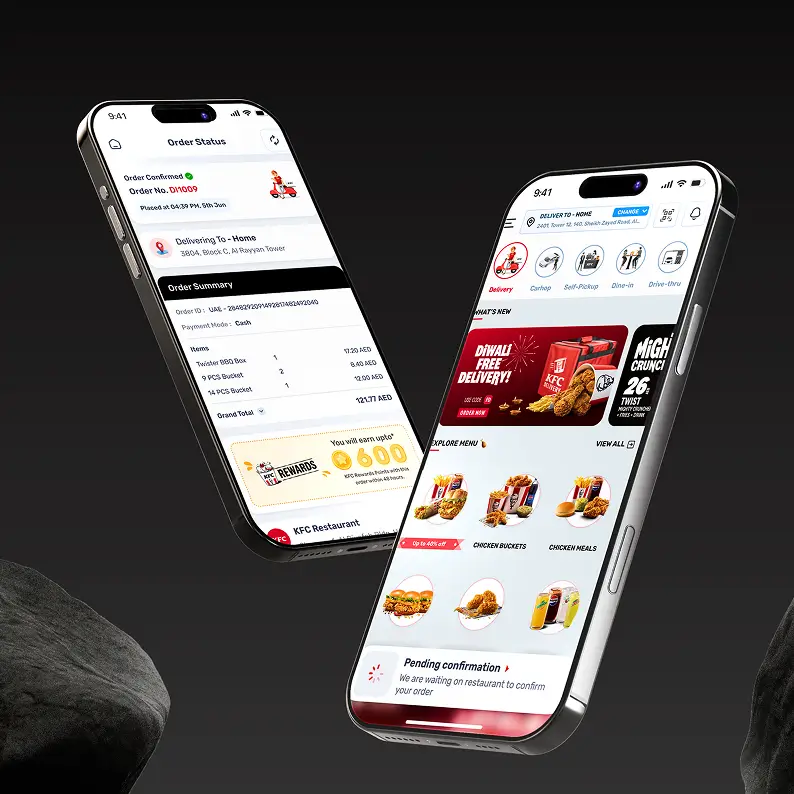
Americana needed to coordinate delivery operations across 12 countries and wanted to introduce intelligent automation without losing visibility or control over regional workflows.
We designed an integration approach that connected automation features with their existing platforms, allowed multilingual routing, and introduced guardrails for workforce oversight. This helped the organization modernize operations while keeping leadership fully informed.
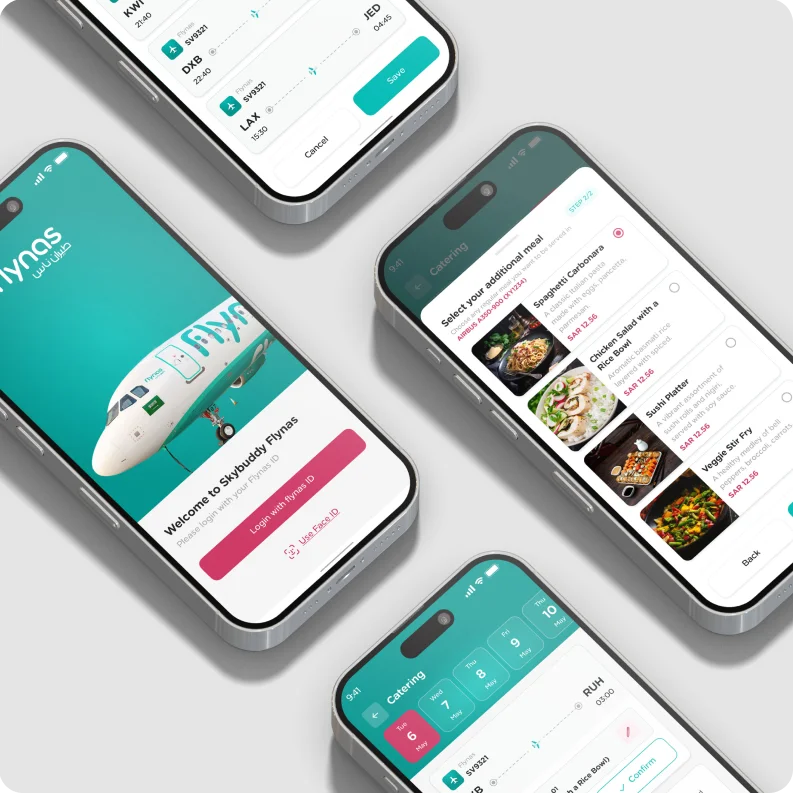
Flynas wanted to simplify bookings and check-ins while improving customer experience, but needed a design that worked cleanly with their internal systems and met aviation compliance standards.
We mapped the airline’s existing processes and introduced integrated features for personalization, guided support, and smoother booking flows. Each element was built to fit within strict industry rules and avoid disruption to airline operations.
A growing SMB platform needed to process documents intelligently without risking data exposure or losing control over how information moved through their systems.
We designed a controlled integration layer with access rules, monitoring paths, and data handling policies. This gave the platform the ability to extract insights securely and scale without compromising sensitive information.

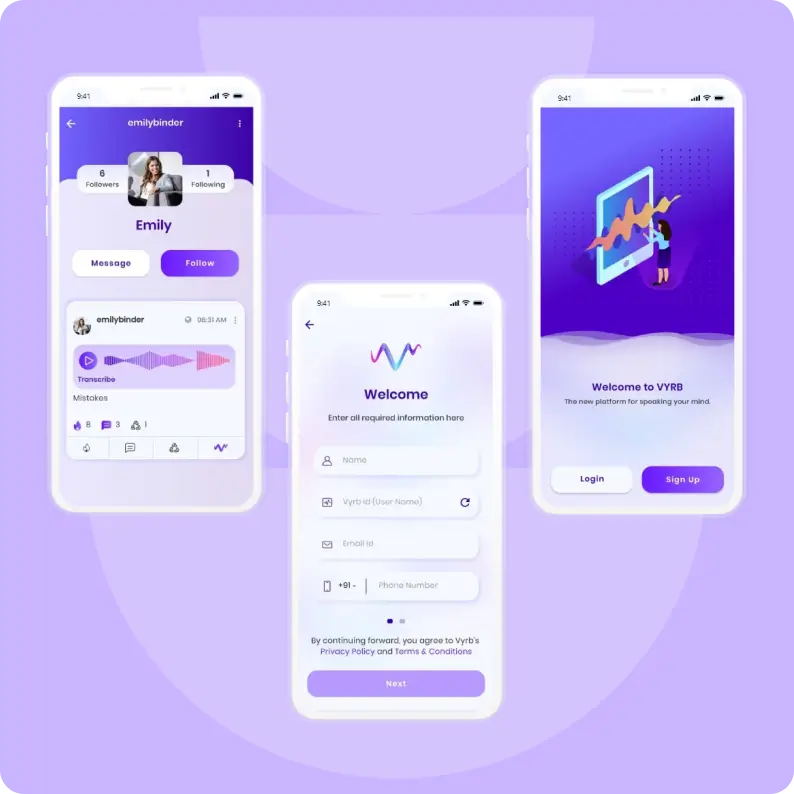
Vyrb wanted to build a voice-first social experience for wearables but needed clarity on how intelligent features could fit into a lightweight architecture designed for continuous audio communication.
We outlined the system path for voice processing, conversational logic, and noise handling so the wearable experience remained smooth and responsive. The roadmap also guided how these capabilities could be expanded responsibly as the platform grew.
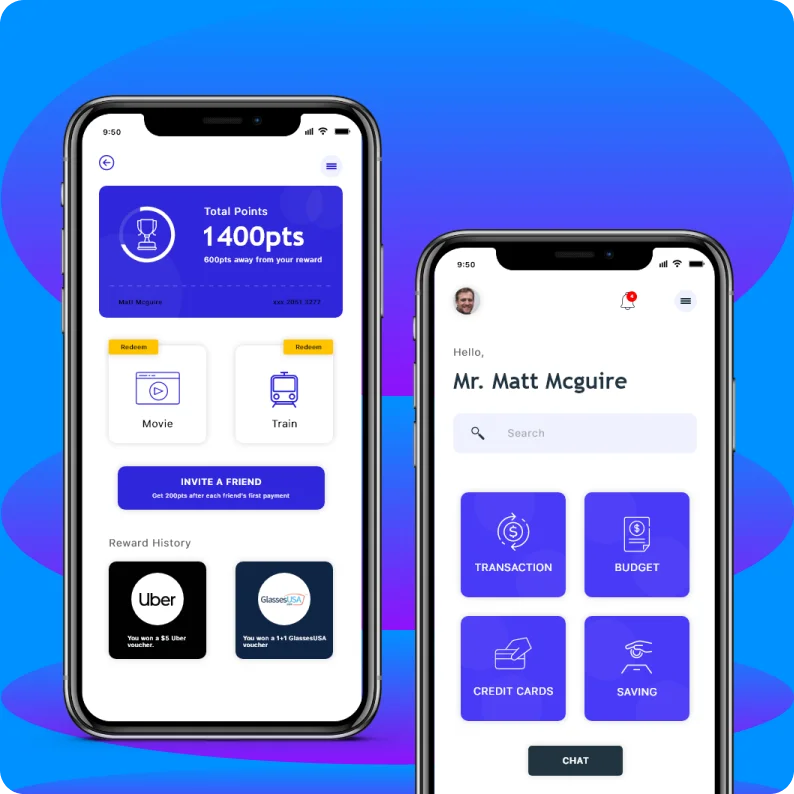
Mudra set out to simplify budgeting for younger users who rarely track expenses and often abandon traditional finance tools. They needed an AI conversational chatbot that could quietly monitor spending, stay secure, and feel engaging enough to keep users involved.
We designed an integrated AI-powered chat-driven system that linked transaction patterns with natural, playful interactions. The structure allowed Mudra to deliver timely spending insights, automate routine checks, and maintain a tone that matched the expectations of a millennial audience.


Whether you're looking to boost productivity, enhance data utilization, or make better decisions, we integrate AI into your current infrastructure.
NIST AI RMF

NIST AI 600-1

EU AI Act
ISO/IEC 42001
ISO/IEC 23894

CCPA/CPRA

Colorado AI Act
Utah AI Policy Act

FTC AI Guidance

HIPAA

FCRA

ECOA/Regulation B

NYC Local Law 144

Illinois AIVIA
ISO/IEC 23894
CCPA/CPRA
Colorado AI Act
Utah AI Policy Act
NYC Local Law 144
Illinois AIVIA
We leverage AI for ERP, CRM, customer apps, cloud, and in-house tools, not to replace existing solutions. This adds intelligence where it can be easily integrated into teams' workflow.
AI adoption opens up new avenues for business and customer data. We organize data flows on the basis of access rights and possibilities, encryption, validation, logging and retention policies and ensure critical information is kept under control between connected systems.
AI integrations are designed to comply with applicable frameworks and regulations, such as NIST AI RMF, NIST AI 600-1, EU AI Act, CCPA/CPRA, HIPAA, FCRA, ECOA/Regulation B, and other sector-specific regulations.
The AI models can be customized to suit the needs of the business, rather than being tied to a specific provider. There are various types of integrations available, such as linking our foundation models with proprietary models, RAG systems, and third-party AI services via APIs and controlled orchestration layers.
There's no need to rebuild existing applications and/or processes solely to incorporate AI into business. We add intelligence via API, middleware, connectors and workflow layers that wrap around the existing systems.
Our AI integration services connect intelligent capabilities with your applications, platforms, data systems, and business workflows.

The India's Fastest-Growing Companies 2026 Recognised by TIME and Statista

Statista High Growth Companies APAC - 2026

Statista India's Growth Champions 2023

We embed ML into enterprise solutions to uncover patterns, make predictions and enhance workflows on data already collected by businesses.
Our GenAI solutions integrate models with documents, search capabilities, and business systems to enhance content production and knowledge-driven tasks.
AI agents connect with APIs, business rules, and enterprise data to handle multi-step tasks and take action within defined controls.
With NLP, business systems can understand emails, documents, and service requests, helping teams process unstructured information faster.
Combining computer vision with current systems to automatically perform image-based inspection, verification, monitoring and quality checks.
Deep learning can be used to identify patterns, anomalies, and trends in a large amount of data. Our models are applicable for specific business use cases.
By combining RPA with AI, we automate repetitive workflows so systems can read information, make decisions, and complete tasks across business tools.
























Get a clear estimate based on your systems, data
landscape, and the AI
capabilities
you want to enable.

We review how your systems and business processes work today to identify where AI can add real value, while assessing architecture, data flows, and access controls to confirm technical readiness and define a clear, practical integration path without added complexity.
After the foundation is free of those things, we choose the AI models and tools for your use case and your infrastructure. It's more about what makes sense within your environment and what will be consistent as you scale, rather than about hype or trend cycles.
We then present a roadmap detailing the path forward for the AI integration process, as an AI integration agency. It covers timelines, touchpoints with your systems, testing windows, and the checks required for leadership approval. This keeps everyone aligned from the start.
Before connecting anything, we establish the controls that safeguard your data and workflows. This includes access rules, audit trails, encryption practices, and the compliance measures required for enterprise AI integration in regulated sectors.
After the guardrails are set, we connect the intelligence layer with your existing applications, APIs, and data pipelines. The emphasis is on value-add without modifying the usage of your tools. This is where AI implementation services come into play and become live and working.
The next phase of our artificial intelligence integration services is to simulate scenarios that you encounter in your day-to-day operations, such as load, latency, accuracy and edge cases. Until it acts in a similar way through real scenarios, nothing moves forward until that time.
When the setup is ready, we deploy the solution carefully across your environment and support your teams as they begin using it. Documentation, training, and guided handover ensure the new capabilities fit naturally into existing routines.
Once deployed, we keep an eye out for how the AI will perform in real-life conditions. We continuously enhance the system to ensure that it is accurate, compliant and evolves with your requirements as data and processes change. This way, your AI integration services will bring results and not just a fad.
The cost of AI integration projects can vary from $40,000 for small-scale applications to more than $500,000 for large-scale enterprise implementations. The best way to get an accurate estimate of the cost of integrating AI is to show us your use case, and our expert team of AI integration specialists will outline the cost in a transparent manner.
Smaller AI integration solutions can take around 2–4 weeks, while mid-level projects may need 4–8 weeks. More complex enterprise integrations can take 8–16+ weeks, depending on the systems, data, and workflows involved. We work in short, steady cycles, so progress is visible throughout the project.
Through AI system integration services, daily activities of your current business processes begin to move swiftly, without much friction. Here’s how it actually benefits:
Our AI integration consulting services start by understanding how your teams actually work day to day. Once the repetitive steps and decision bottlenecks are mapped, we use AI to take over routine checks, document handling, data lookups, approvals, and forecasting. The aim is simple: remove manual drag, tighten response times, and help your teams focus on work that needs human judgment.
Every AI integration consulting company has its own approach, and we tailor the integration to your systems, data quality and internal rules. We select the appropriate models, create the logic of the workflow, and fine-tune the AI layer in order to fit into your processes rather than forcing new ones in. The result is an integration that feels like a natural fit and works with the way that your teams do business.
You can begin by sharing your goals and the challenges you want to fix. Our team reviews your current setup, walks you through what’s achievable, and outlines a starting plan with clear steps. Once aligned, we begin the assessment and set the foundation for the integration.
With our deep expertise in AI integration, we take you through the process step by step, ensuring a seamless and hassle-free transition from ideation to complete implementation. Our experts will ensure your enterprise is prepared for AI integration before any build begins, making the transition smooth, predictable, and in tune with how you're already working.