


























 Leader in AI-First Product Engineering Read Full Article
 IT Managed & Outsourcing
 Contact Us
Enterprise IT Audit Services Built for Assurance and Control Modern enterprises operate across distributed systems, cloud platforms, and third-party dependencies. Backed by 10+ years of experience, our IT audit services evaluate how technology functions in real environments, helping leadership teams strengthen governance, reduce audit risk, and improve confidence across regulatory and internal reviews.
Our Core Capabilities

















Experience and Scale That
Strengthen Audit Confidence
Years of IT Consulting Experience
Tech-Mavericks under One Roof
Successful Projects Delivered
Clients Stay for More
Legacy Processes Transformed
Industry Certifications


Enterprises depend on well-defined IT processes to support financial accuracy, security, and operational continuity. Our IT process and controls audit services help leadership understand whether governance, approvals, and monitoring controls operate consistently across systems.
• Process Control Assessment
Review governance, approval flows, and monitoring controls supporting IT operations.
• Control Effectiveness Validation
Assess whether controls are designed and operating effectively in live environments.

Enterprise applications and ERP platforms sit at the core of financial and operational workflows. Our application and ERP audit services help organizations confirm that access, change, and data controls support accuracy and audit confidence.
• Application Control Reviews
Assess access management, configuration settings, and transaction processing controls.
• Change and Data Integrity Validation
Review change management, interfaces, and data integrity across systems.

Regulatory and contractual requirements continue to expand across regions and industries. Our IT compliance audit services help organizations evaluate how well technology controls align with applicable standards and audit expectations.
• Regulatory Control Mapping
Assess controls against SOX, SOC 2, NIST, and privacy requirements.
• Evidence and Policy Alignment
Validate control documentation, testing evidence, and policy adherence.

Inadequate segregation of duties increases the risk of error, fraud, and audit findings. Our SoD audit services help enterprises identify conflicting access and understand where risk exposure exists across systems.
• Access Conflict Identification
Review role design and user access to detect SoD conflicts.
• Risk and Remediation Analysis
Assess compensating controls and recommend practical remediation paths.

Security controls are only effective if they work under real operating conditions. Our IT security audit services help enterprises validate whether security measures reduce risk across infrastructure, applications, and cloud platforms.
• Security Control Validation
Review IAM, encryption, logging, and endpoint security controls.
• Threat and Vulnerability Review
Assess patching practices, misconfigurations, and exposure points.

Major system changes introduce control and compliance risk if not reviewed properly. Our pre- and post-implementation audit services help enterprises confirm control readiness before go-live and validate stability afterward.
• Pre-Implementation Control Readiness
Assess access, change, and security controls before deployment.
• Post-Go-Live Control Validation
Review control performance after implementation to identify gaps early.

Manual sampling often misses patterns hidden in large datasets. Our audit-focused data analytics services help enterprises uncover anomalies and control weaknesses using data-driven insights.
• Anomaly and Risk Detection
Analyze transactions, access logs, and system activity for irregular patterns.
• Control Coverage Enhancement
Use analytics to expand audit scope and strengthen evidence quality.

Infrastructure failures directly affect uptime, revenue, and customer confidence. Our IT infrastructure audit services help enterprises evaluate whether platforms can support growth and withstand disruption.
• Cloud and Platform Reviews
Assess AWS, Azure, or GCP configurations, access models, and monitoring controls.
• Resilience and Recovery Controls
Review backup, DR, and incident response capabilities supporting uptime.
Validate ITGCs, security controls, and compliance
readiness with an experienced
IT audit firm.


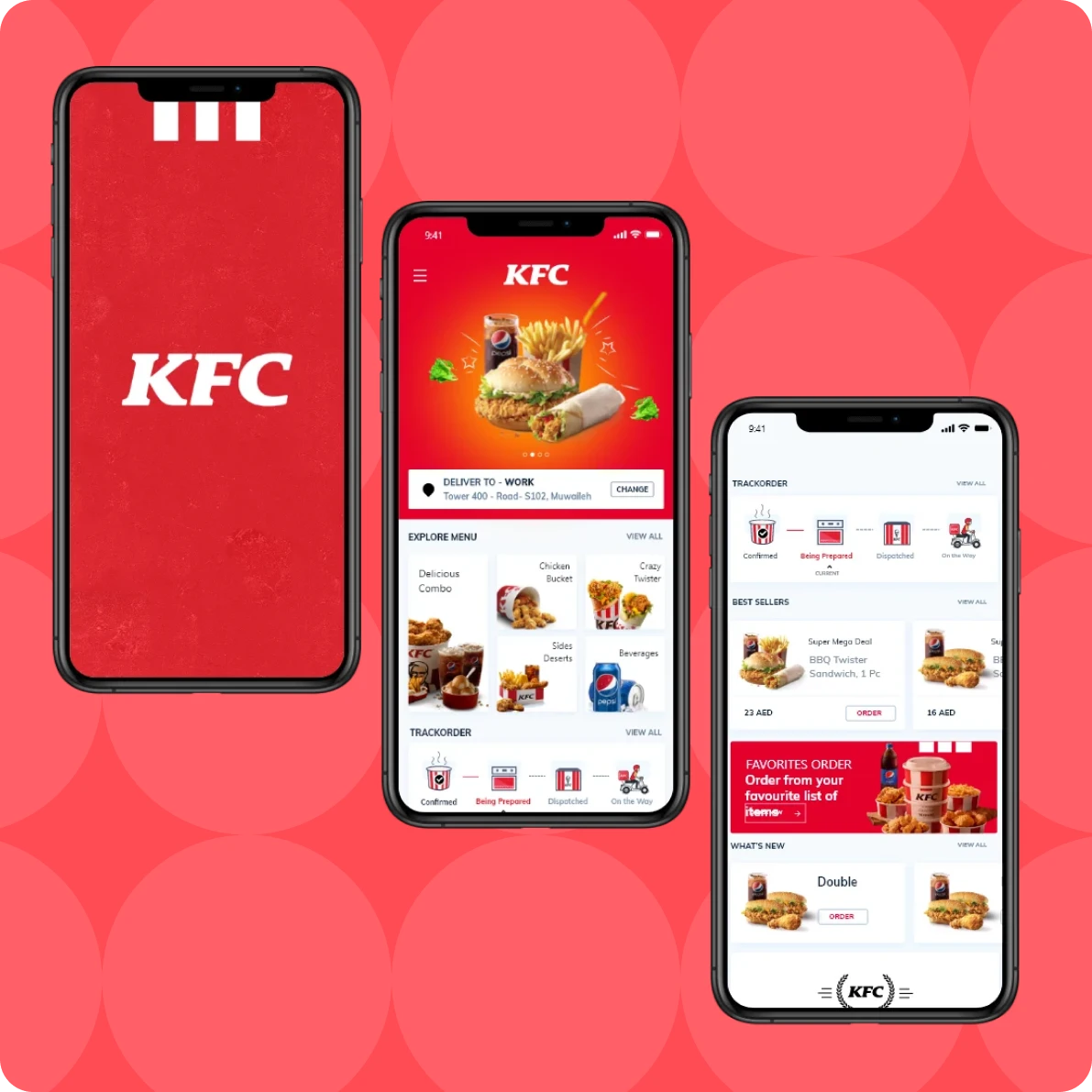
Food Delivery Platform
We developed a finance platform that reviews transaction data, categorizes expenses, and tracks personal goals in real time. The system provides tailored suggestions based on actual behavior patterns. Security controls were built in from the start, aligned with PCI DSS and SOC 2 readiness standards.

Retail and ERP Integration Platform
An enterprise retail solution integrating customer touchpoints with backend ERP systems, emphasizing data accuracy, system integrity, and operational consistency across physical locations.

Data Analytics Platform
A centralized analytics platform built to process massive datasets and deliver real-time insights, highlighting the importance of data governance, access controls, and processing integrity.

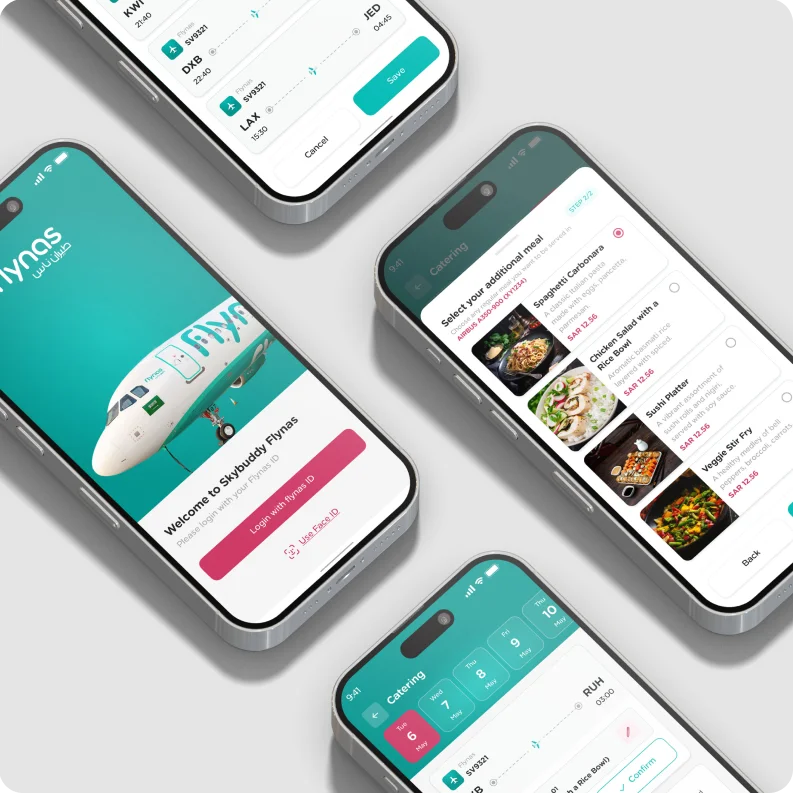
Airline Mobile Platform
A customer-facing airline platform focused on performance, reliability, and user experience, where system stability and backend coordination are critical to operational continuity.


ВА, Toki App



SOC 2 Type II (Data Privacy & Security Controls)










ISO 22301 (Business Continuity Management)
ISO 27701 (Privacy Information Management)
SOC 2 Type II (Data Privacy & Security Controls)
ISO 22301 (Business Continuity Management)
ISO 27701 (Privacy Information Management)
With 10+ years of experience and a team of 1,600+ technologists, we bring engineering context into information technology audit services. That means findings are based on real system behavior, not assumptions or static documentation.
We work closely with internal audit, finance, and risk teams supporting SOX and ITGC programs. Our focus stays on control ownership, operating effectiveness, and evidence that external auditors can rely on without repeated follow-ups.
As an IT security audit company, we look past tool configurations to understand how access, identity, and monitoring actually function in production. This helps surface risks that often get missed in surface-level reviews.
Our IT compliance audit services cover frameworks like SOC 2, NIST, HIPAA, PCI DSS, GDPR, and CCPA. We translate requirements into clear control expectations teams can maintain long after the audit ends.
Our IT audit consulting services don’t stop at findings. We help teams prioritize fixes, clarify ownership, and address gaps without disrupting live systems or slowing delivery.
As an experienced IT audit firm, we support audits across multiple entities, systems, and regions. Our methods stay consistent, reporting stays clear, and evidence remains traceable across audit cycles.
Work with experienced IT audit consultants to
strengthen assurance.


The India's Fastest-Growing Companies 2026 Recognised by TIME and Statista
Statista High Growth Companies APAC - 2026

Statista India's Growth Champions 2023





When we build AI systems, we spend as much time on ownership and decision boundaries as we do on models. Teams need to know who can change models, how outputs are reviewed, and what happens when results don’t line up with expectations.
Models don’t stay accurate on their own. We design pipelines that account for changing data, retraining needs, and monitoring signals, so machine learning systems don’t quietly drift into unreliable behavior.
Data platforms only work when people trust the numbers. With our data analytics services we help teams design ingestion and transformation flows that are traceable end to end, so reports can be explained, questioned, and relied on.
Across AWS, Azure, and GCP, we’ve seen how flexibility can turn into sprawl. Our cloud consulting approach focuses on clear identity models, sensible defaults, and logging that makes sense when something goes wrong.
Fast delivery isn’t useful if releases feel unpredictable. With our DevOps consulting, we help teams structure pipelines where approvals, access, and rollback paths are clear, even when changes need to happen quickly.
Security tools don’t help if no one knows what to do when alerts fire. With our cyber security capabilities we focus on making detection and response workflows clear, owned, and usable during real incidents.
When computer vision is involved, accuracy alone isn’t enough. We design systems that account for image quality, edge cases, and human review paths, especially in inspection and verification workflows.
AR and VR development are most effective when tied to real workflows. We focus on guided experiences, training use cases, and measurable outcomes rather than isolated visual demos.
Where traceability and trust matter, we use blockchain selectively. Our focus stays on how records are written, verified, and retrieved, not on decentralization for its own sake.







Get an independent IT audit across cloud,
applications, and integrations.


We start by understanding how technology supports business and financial processes today, not how it was originally designed. This includes identifying in-scope applications, infrastructure, integrations, and third-party platforms tied to SOX, internal audit, or regulatory objectives.
Controls are mapped directly to how systems are configured and used. We look at ITGCs, application controls, access models, and change processes, but always in the context of real workflows, ownership, and risk exposure, not generic frameworks.
Control testing is performed directly within systems. We review IAM configurations, change logs, deployment approvals, audit trails, and security settings to confirm controls are operating as intended, not just documented correctly.
Before anything is finalized, findings are discussed with system owners and audit stakeholders. This helps separate true control gaps from design tradeoffs, reduces noise, and ensures reports reflect operational reality.
Audit reports are not the end of the engagement. We help teams prioritize remediation, clarify responsibility, and validate fixes, especially where changes affect production systems or future audit cycles.
Most inefficiencies don’t come from bad systems. They come from layers added over time. An IT audit helps uncover where access is over-controlled, approvals are duplicated, or systems depend on workarounds. When reviewed properly, information technology advisory services often simplify how teams operate rather than add more technology advisory services often simplify how teams operate rather than add more rules.
In practice, this usually means:
Good IT audit firms don’t just compare policies to regulations. They look at how controls behave in day-to-day operations. Through IT compliance audit services, auditors verify whether security, access, and change controls would actually stand up during a regulatory or external audit.
This support typically includes:
Companies usually bring in IT audit consultants when technology grows faster than governance. This might happen after cloud adoption, system consolidation, or repeated audit observations that never fully close.
Common situations include:
A technology audit often highlights performance issues that monitoring tools don’t flag. Through technology audit services, teams can see where configurations, dependencies, or access patterns are slowing systems down or increasing failure risk.
Performance gains usually follow when:
Most enterprises review their technology controls at least once a year. Beyond that, additional audits make sense after major system changes, cloud migrations, or incidents. Regular technology audits help prevent small gaps from becoming recurring problems.
Typically:
IT services audit support ISO 27001 by checking whether security controls are actually applied and reviewed over time. Instead of focusing only on documentation, audits look at access reviews, logging, risk treatment, and incident handling as they operate in practice.
This helps organizations: