




















 Leader in AI-First Product Engineering Read Full Article
 IT Managed & Outsourcing
 Contact Us
With a 1,600+ specialist team and 500+ legacy processes transformed, we deliver app modernization services for enterprises modernizing live systems while preserving audit evidence, control integrity, and operational continuity across US and global environments.
Our Core Capabilities for App Modernization Services















Our Delivery Track Record, Measured
in Real Outcomes
Years of Enterprise Delivery
Technology Specialists
Solutions Designed and Delivered
Legacy Processes Transformed
Countries Powered by Tech Innovation
Industries Supported Across
Regulated Environments

We assess legacy application portfolios to define modernization paths, including custom application modernization services, that balance risk, cost, and control while aligning with audit, security, and operational constraints.
• Legacy portfolio assessment covering dependencies, risks, data flows, and control gaps
• Phased modernization roadmap aligned to audit cycles, release controls, and business priorities

As part of our app modernization services, we reengineer legacy applications at the code and architecture level to improve performance and maintainability without breaking production behavior.
• Code refactoring to improve maintainability while preserving functional parity and production behavior
• Architecture updates that reduce coupling and technical debt without introducing downtime risk

We containerize legacy applications to standardize deployment, improve isolation, and enable controlled scaling across cloud and on-prem environments.
• Safe containerization of legacy runtimes with consistent configuration and environment isolation
• Kubernetes-ready deployment models supporting controlled scaling and release governance

We modernize mainframe-based applications through controlled decomposition, integration layers, or workload offloading while preserving transactional integrity.
• Mainframe workload analysis to identify offload, refactor, or integration opportunities
• Incremental modernization preserving transactional integrity, batch processing, and reporting accuracy

We deliver legacy system modernization services by modernizing underlying infrastructure to remove bottlenecks and improve resilience without destabilizing live systems.
• Infrastructure dependency mapping across compute, storage, network, and legacy hosting layers
• Migration strategies with rollback readiness, monitoring continuity, and change approval controls

We migrate and develop cloud applications using staged approaches that preserve observability, security controls, and compliance traceability.
• Cloud-native architecture design aligned with security baselines and operational monitoring needs
• Hybrid and multi-cloud deployments supporting regulated workloads and data residency requirements

Our app modernization services combined with DevOps services help improve release control and system stability of legacy environments without bypassing governance.
• CI/CD pipelines aligned with change management, segregation of duties, and audit evidence needs
• Release automation with traceable approvals, rollback mechanisms, and environment-level controls
Discuss your legacy environment, technical debt, and audit exposure
with
specialists
who modernize live systems in regulated settings.


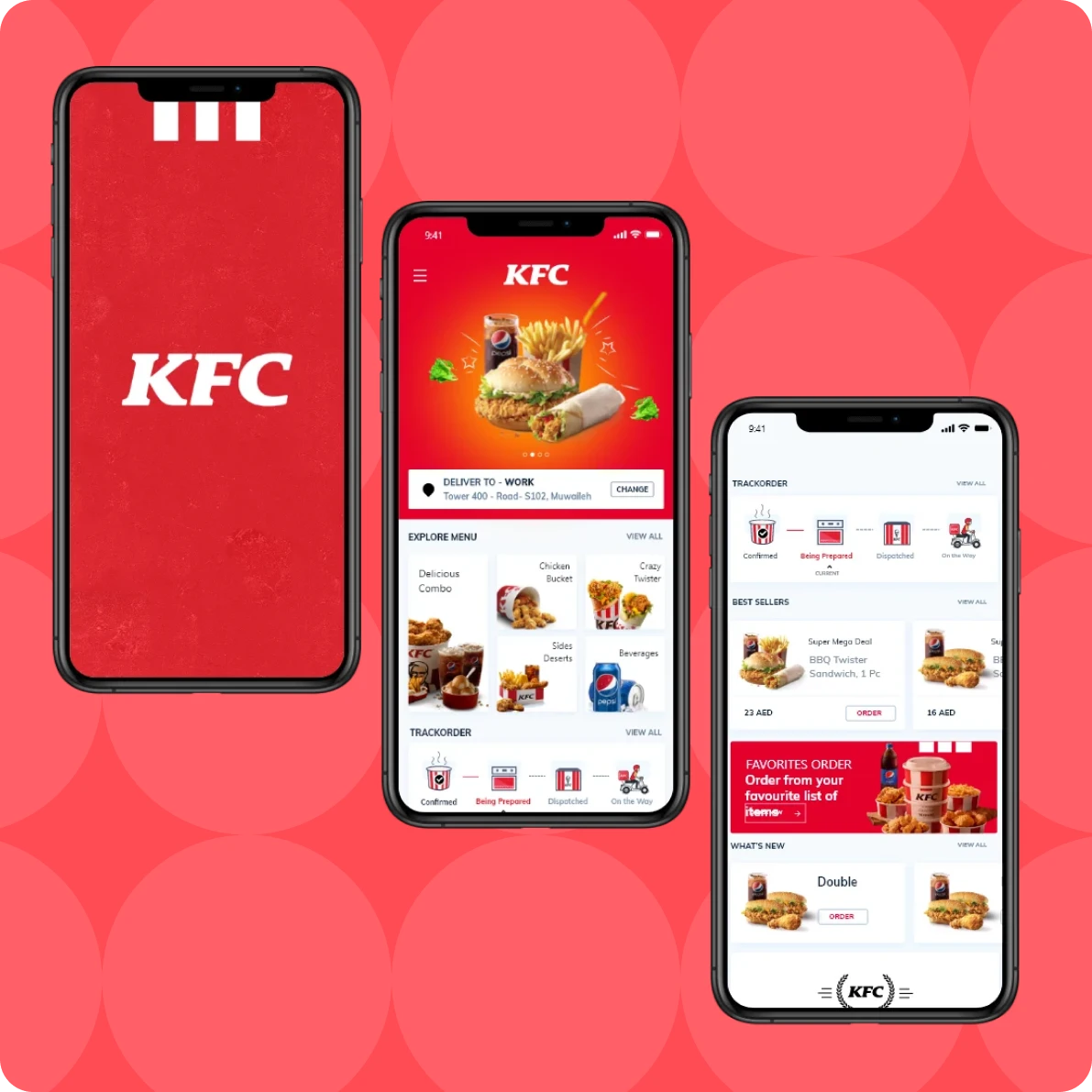
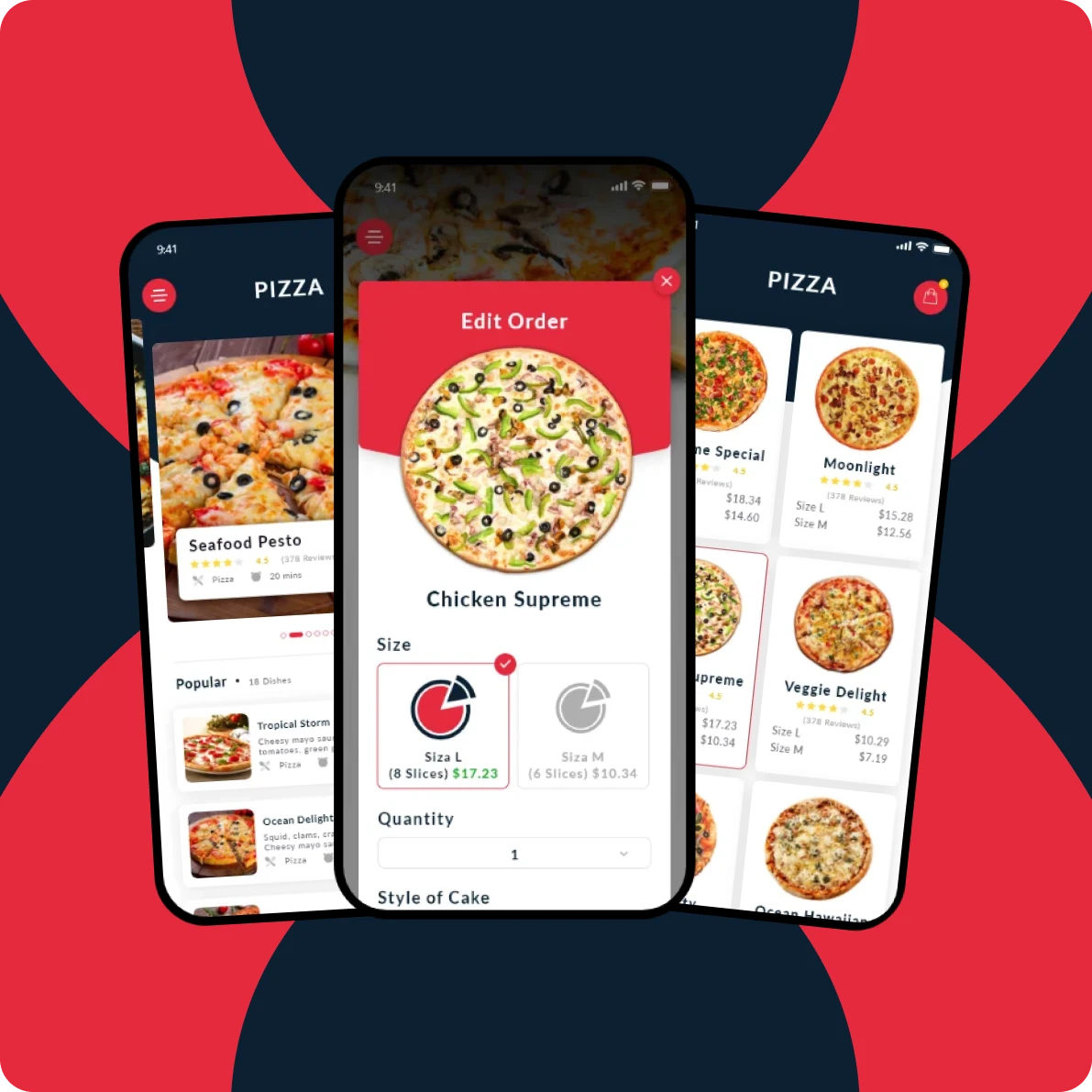
KFC needed a mobile ordering platform capable of handling peak transactional loads, real-time order tracking, and tight POS integration without impacting in-store operations.

We implemented an event-driven ordering and delivery architecture with secure POS integrations, focusing on uptime, transactional integrity, and scalable backend services.

Adidas required a mobile commerce platform that could support global traffic spikes, complex catalogs, and secure checkout flows during high-demand campaigns.
We built a scalable ecommerce architecture with optimized backend services, performance caching, and secure payment workflows to support consistent global usage.

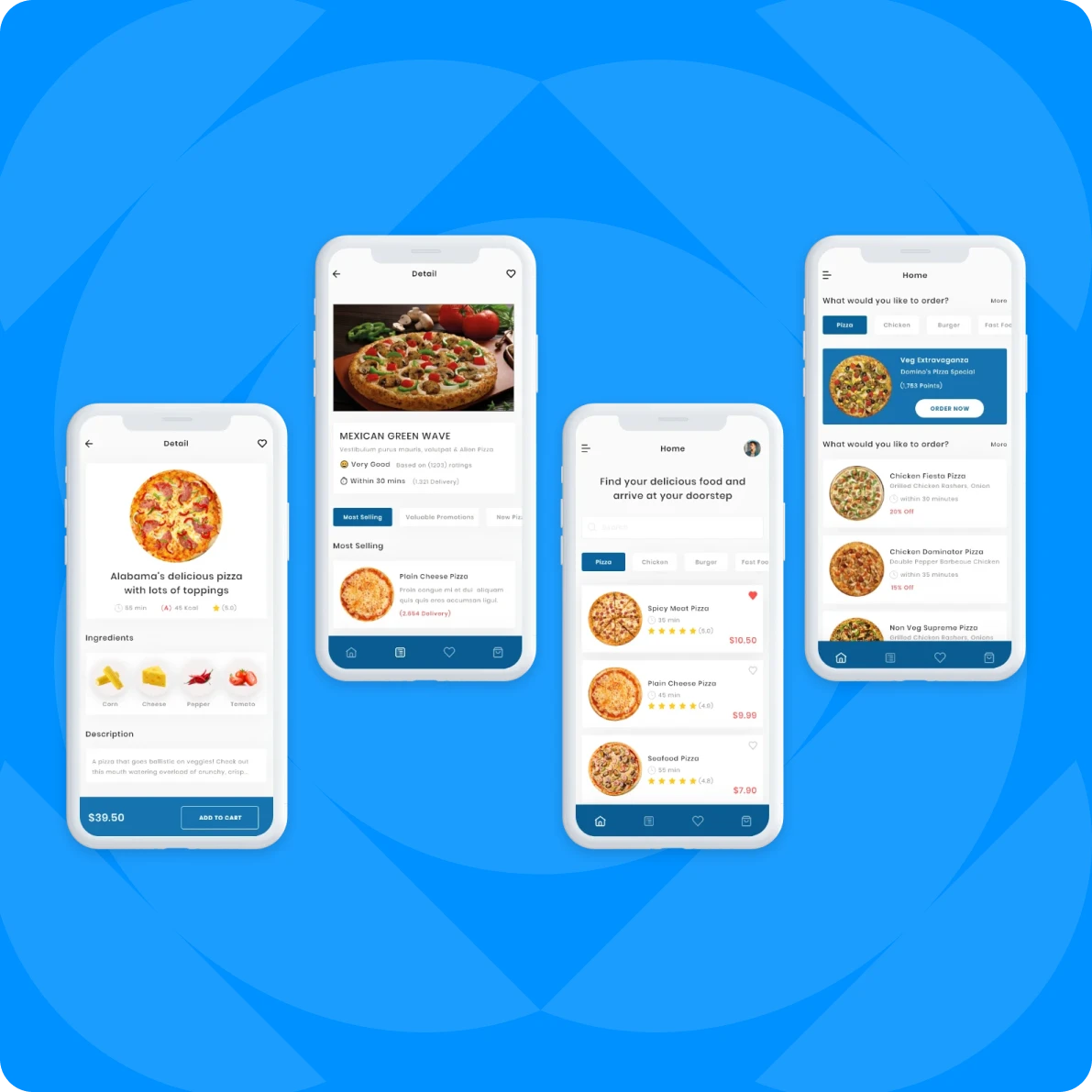
Domino’s needed to improve app reliability and ordering flows to support high-volume delivery demand across regions without performance degradation.
We optimized backend performance, streamlined ordering workflows, and reinforced system stability to handle sustained peak usage.
Pizza Hut required a delivery platform capable of supporting multi-country deployments, localized menus, and reliable order processing at scale.
We rebuilt the mobile delivery experience using modular services and scalable backend systems designed for regional expansion.


Manager, IT Division, TokiApp
Review how your industry-specific platforms can be modernized without
disrupting
operations, data integrity, or regulatory controls.
We modernize applications inside active control environments, aligning changes to SOX ITGCs, access governance, and change management so audit evidence remains intact throughout transition.
Our teams modernize systems tied to revenue, reporting, payments, and operations where downtime, data loss, or broken integrations are not acceptable outcomes.
We apply phased refactoring, replatforming, and hybrid approaches that allow legacy and modern systems to coexist while risk is reduced incrementally.
Documentation, logs, approvals, and traceability are treated as system requirements, not afterthoughts. This reduces remediation effort during internal and external audits.
We support enterprises operating across subsidiaries, regions, and shared services, accounting for cross-border data flows and layered access models.
We introduce cloud, automation, and AI where they add operational value, without creating black-box dependencies that are difficult to explain or control.
Achieve 40% higher productivity and 30% lower operational spend
through
controlled
legacy application modernization.

The India's Fastest-Growing Companies 2026 Recognised by TIME and Statista

Statista High Growth Companies APAC - 2026
Statista India's Growth Champions 2023





We integrate AI where it delivers measurable value such as decision support, automation, and early risk detection. Models are built with ownership, traceability, and explainability to meet enterprise and regulatory expectations.
Cloud adoption is designed around uptime, data residency, and operational control. We implement hybrid and multi- cloud services that modernize infrastructure without disrupting live systems.
We build data analytics platforms that turn operational and historical data into actionable insight for leadership, compliance reporting, and performance monitoring.
We apply machine learning for forecasting, risk scoring, and adaptive workflows. Models are versioned, monitored, and governed to evolve safely in regulated environments.
Custom IoT is applied where asset visibility, monitoring, and automation are critical. We design secure ingestion pipelines and device management suitable for large-scale deployments.
Blockchain is used selectively for auditability, traceability, and tamper-resistant records, integrated where verification and controlled transparency are required.
Immersive AR/VR technologies are applied for training, simulation, and guided operations, designed to be measurable and manageable in enterprise settings.









Get a clear view of how your current stack can support modernization
without
disrupting integrations, security controls, or live operations.

We begin by looking at how systems behave in production, not how they look on diagrams. This means tracing dependencies across applications, batch processes, interfaces, and reporting flows that are often undocumented but business critical.
Every modernization step is tied back to access models, change approvals, data handling rules, and ownership. This prevents gaps in SOX, SOC, and internal audit controls once changes start moving through environments.
Work is done in phases, not cutovers. Legacy and modern components often operate side by side so teams can observe behavior, validate data consistency, and reduce risk before anything is retired.
Testing goes past screens and workflows. We look at integrations, downstream reports, security logs, failover behavior, and performance under real load because that is where issues surface later.
Issues are discussed with engineering, security, operations, and audit stakeholders early. This avoids late rework and keeps remediation aligned with business priorities, not just technical fixes.
After release, the focus stays on stability. Monitoring, control checks, and evidence validation continue until teams are confident the system is operating as expected.
In real environments, modernization means working inside systems that cannot stop. Data feeds reporting. Jobs run overnight. Interfaces break silently. The work focuses on refactoring, integration hardening, and infrastructure upgrades without destabilizing what already works.
Most failures happen when teams try to modernize applications services too quickly. We see reporting jobs fail, access trails disappear, or approvals bypassed. Safe modernization keeps controls active while legacy and modern components run side by side.
If releases take months, incidents keep repeating, or audits surface the same control gaps year after year, the system is already holding the business back. A legacy modernization company usually starts with these signals before touching architecture.
Replacement assumes you can discard years of logic, data flows, and operational knowledge. Modernization keeps what still works and fixes what does not. Enterprises choose legacy modernisation services when stability and continuity matter more than cosmetic change.
Look for teams who have worked inside production systems under audit pressure. A legacy application modernization company should understand batch failures, interface dependencies, access drift, and why documentation gaps become audit findings.
Yes, but it is rarely simple. Identity models differ. Data crosses borders. Shared services create hidden dependencies. A legacy modernization company plans for these realities instead of discovering them mid-project.