



































 Leader in AI-First Product Engineering Read Full Article
 IT Managed & Outsourcing
 Contact Us
With over a decade of delivery experience, our mobile app development services in Bahrain focus on governance, scale, and control. Backed by 20+ strategic partnerships in the UAE and 12+ government and compliance programs executed, we support Manama businesses and Gulf enterprises building secure, production-ready mobile systems.
Our Core Capabilities





















Delivery Scale Across the Middle East
Digital Projects Delivered in the Middle East
Client Satisfaction Rate
Industries Served Across the Region
Years of Delivery Experience in the Middle East
Enterprise Workflows Modernized
Government & Compliance Programs Executed


We build Android apps engineered for performance, security, and scale, supporting android mobile app development in Bahrain. Our initiatives are designed for growth across GCC markets.
• Architecture and Platform Design
Modular Android architectures aligned with enterprise workflows and backend systems.
• Security and Performance Controls
Secure storage, API protection, and tuning for stable Android production use.

Our iOS development services focus on predictable behavior, privacy, and reliability for businesses operating in regulated and competitive environments across Bahrain. Apps are built to integrate cleanly with enterprise platforms and scale over time.
• Native iOS Engineering
Applications aligned with Apple security, privacy, and performance standards.
• Enterprise System Integration
Integration with identity, analytics, and operational enterprise platforms.

As a custom mobile app development company in Bahrain, we use Flutter where speed and controlled cross-platform delivery are required. This approach suits Bahrain businesses looking to validate products quickly while planning for long-term scale.
• Cross-Platform Architecture Planning
Shared codebases for Android and iOS without sacrificing control.
• UI and Runtime Optimization
Smooth rendering and state management under real user load.

Using react native for mobile app development enables faster iteration cycles while remaining suitable for enterprise-grade mobile applications. We structure apps to support frequent updates, feature expansion, and sustained performance as user bases grow.
• Modular Application Structure
Components designed for frequent updates and feature expansion.
• Native Capability Integration
Balanced native modules to maintain performance across devices.

PWAs help Bahrain businesses reach users quickly without full app store dependency. These solutions work well for customer-facing platforms that require fast access, offline support, and lower distribution friction.
• Offline and Network-Aware Design
Fast load times and offline access for varied connectivity.
• Secure Browser Integration
Authentication and backend integration with enforced data controls.

We develop wearable applications supporting health, fitness, and enterprise monitoring use cases relevant across the Gulf region. Our focus is on secure data flow, efficiency, and reliable real-time interaction with mobile platforms.
• Device and Sensor Integration
Secure data exchange between wearables, mobile apps, and backends.
• Efficiency and Reliability Tuning
Battery optimization and reliable real-time data capture.

Our web app development services support mobile-first ecosystems used by Bahrain and regional enterprises. These platforms are built to scale securely while integrating tightly with mobile applications and backend systems.
• Responsive Application Architecture
Scalable web platforms optimized for modern browsers.
• Backend and Mobile Alignment
Seamless data flow across web, mobile, and enterprise systems.

We deliver decentralized applications for use cases where transparency, trust, and tamper resistance matter. These solutions are designed to integrate with existing systems while leveraging blockchain where it adds operational value.
• Smart Contract Integration
Secure alignment between blockchain logic and user interfaces.
• Decentralized Workflow Design
Identity, transaction, and record handling on distributed networks.
Talk to a team that understands local regulations, user behavior, and
how
mobile
platforms scale across Bahrain and the wider Gulf.


The platform needed to support global traffic spikes, real-time inventory visibility, and secure checkout without degrading performance.

We engineered a modular, API-first mobile architecture with optimized media delivery and secure payment integrations built for high concurrency.


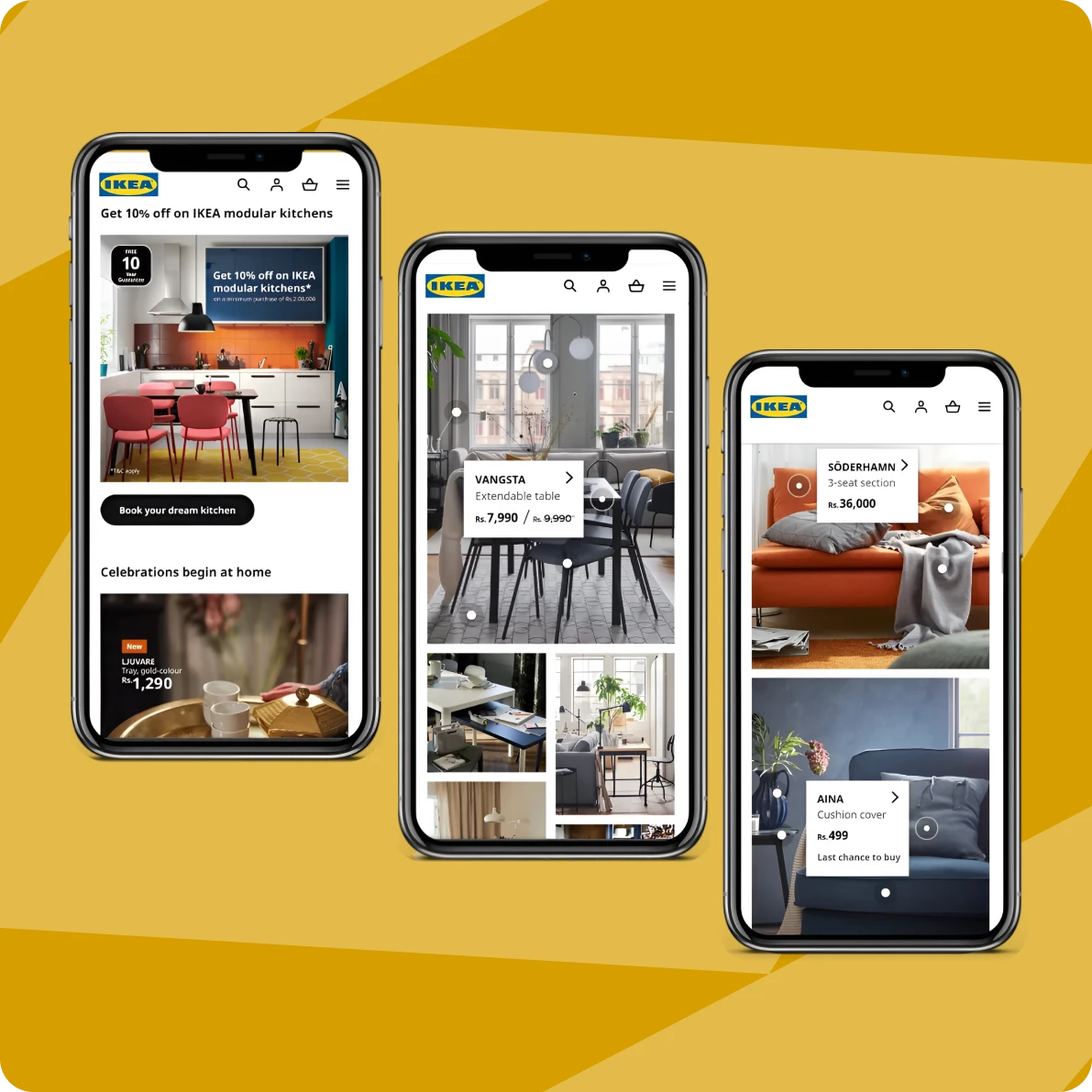
Managing a large product catalog while delivering personalized experiences without latency or instability.
We built scalable catalog, cart, and personalization layers with structured caching and real-time sync.
A national digital platform required high availability, strict access control, and secure data handling across services.
We delivered a governed architecture with role-based access, secure authentication, and modular mobile access layers.

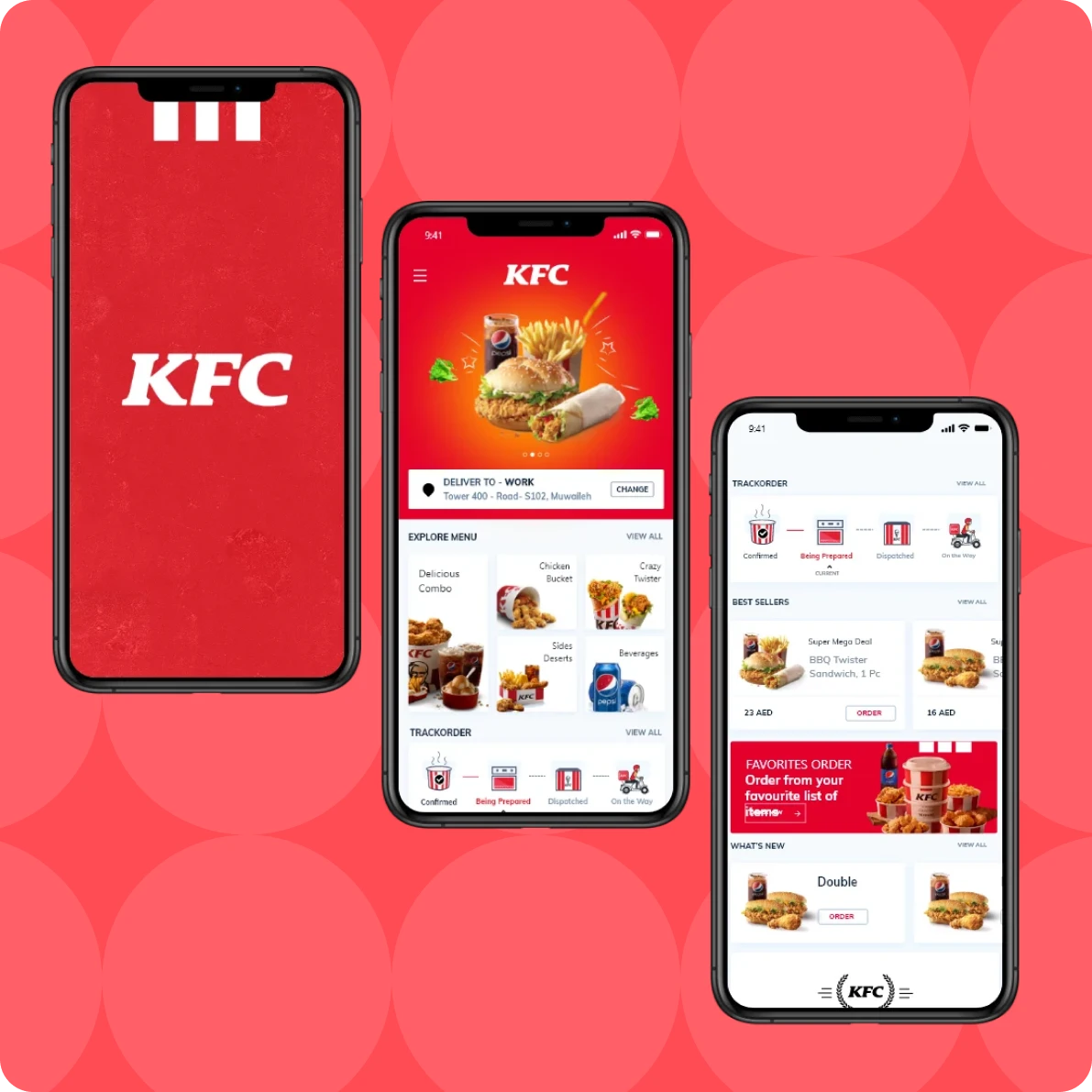
Supporting real-time ordering, delivery tracking, and promotions during peak demand without impacting operations.
We built an event-driven ordering and tracking system integrated with POS and logistics platforms.



Manager, IT Division, TokiApp
Discuss how your mobile app should align with Bahrain’s regulatory environment,
regional user behavior, and GCC-scale growth expectations.


Bahrain Personal Data Protection Law (PDPL)

Central Bank of Bahrain (CBB) regulations

National Cyber Security Centre (NCSC Bahrain) guidelines

Saudi PDPL for cross-border GCC operations

NCA Essential Cybersecurity Controls (KSA)

GCC data residency and cross-border transfer norms
UAE PDPL for regional data exchange

GDPR for EU and international data handling

ISO 27001 information security management

SOC 2 Type II operational and security controls

PCI DSS for payment and transaction security

OWASP Mobile Top 10 security alignment

WCAG & ADA digital accessibility standards

HIPAA for healthcare mobility use cases

NIST CSF (Cybersecurity Framework)
Bahrain Personal Data Protection Law (PDPL)
Central Bank of Bahrain (CBB) regulations
National Cyber Security Centre (NCSC Bahrain) guidelines
Saudi PDPL for cross-border GCC operations
NCA Essential Cybersecurity Controls (KSA)
GCC data residency and cross-border transfer norms
UAE PDPL for regional data exchange
GDPR for EU and international data handling
ISO 27001 information security management
SOC 2 Type II operational and security controls
PCI DSS for payment and transaction security
OWASP Mobile Top 10 security alignment
WCAG & ADA digital accessibility standards
HIPAA for healthcare mobility use cases
NIST CSF (Cybersecurity Framework)
We design mobile applications with Bahrain PDPL, CBB regulations, and regional data residency considerations embedded into architecture, data flows, and access controls from the start.
Our experience delivering platforms across the Middle East allows us to account for regional scale, multilingual users, and cross-border operational complexity common to Bahrain-based businesses.
We apply structured architecture, secure coding practices, and controlled release processes to ensure mobile apps remain stable, auditable, and maintainable in production.
AI is applied selectively to improve personalization, automation, and decision support, without creating black-box dependencies or compliance risk.
We integrate mobile apps with ERP, CRM, payment gateways, identity platforms, and legacy systems modernization commonly used by Manama businesses and Gulf enterprises.
We build mobile platforms internal teams can operate, evolve, and defend during audits, without undocumented logic or dependency risk.
Validate technical and regulatory decisions early with teams
experienced in
Bahrain
and GCC deployments.


The India's Fastest-Growing Companies 2026 Recognised by TIME and Statista

Statista High Growth Companies APAC - 2026

Statista India's Growth Champions 2023






We build AI-powered apps where it can be explained and controlled. In Bahrain deployments, this includes personalization, anomaly detection, and workflow automation, with logging, access control, and rollback support to meet audit and compliance needs.
Machine learning helps mobile platforms adapt over time. We provide machine learning development to churn signals, engagement scoring, and demand forecasting, with versioned models and controlled updates suited for regulated and enterprise systems.
Our computer vision development service supports document capture, image verification, inspections, and field reporting. These systems are tuned for real-world conditions in Bahrain, including device variation, lighting differences, and network limitations.
We offer data analytics services to design pipelines that collect mobile event data, clean it, and surface insights without slowing apps down. This supports operational visibility, compliance reporting, and long-term product decisions for Bahrain businesses.
Cloud architectures are aligned with Middle East regions, data residency needs, and predictable cost models. Our cloud consulting service ensures APIs, real-time services, and storage layers are structured to scale across Bahrain and the wider GCC.
Blockchain is used where trust boundaries matter. We offer blockchain development to support transaction integrity, identity-linked actions, and tamper-resistant records, especially for finance and supply chain use cases in the Gulf.
We integrate cybersecurity into mobile systems from the start. This includes secure authentication, encrypted storage, protected APIs, and monitoring aligned with Bahrain PDPL and sector-specific regulations.
We offer AR and VR development where they improve execution accuracy, enable remote assistance, and support scalable training with full governance and operational control.










Get guidance on cloud, security, and platform choices that align
with Bahrain
regulations and Gulf-scale growth.

We start by looking at how the business really runs. Who uses the app, where the data sits, and what rules apply in Bahrain. PDPL, sector policies, hosting limits, and day-to-day usage all shape early decisions.
Architecture choices are made with tomorrow in mind. We focus on systems that stay stable under load, remain secure as teams grow, and can be explained clearly during audits. Cloud, data flows, and integrations are designed to hold up in production.
Work happens in clearly separated environments. Build, test, and release are treated differently for a reason. This reduces surprises, keeps changes traceable, and makes handovers easier for teams operating regulated or enterprise apps.
Progress is reviewed often and openly. Assumptions are questioned early, not at the end. When risks appear, they are discussed and addressed before they become expensive fixes or launch blockers.
Before anything goes live, we check how it behaves under real conditions. Performance, security, and operational readiness are validated. After release, we stay involved to help teams tune, update, and scale without losing control.
With over 10+ years of mobile delivery experience, 1,600+ technology specialists, and recognition from global industry bodies including Deloitte Fast 50 for consecutive years, our teams bring proven expertise to every engagement.
There is no fixed price. Mobile app development cost in the UAE depends on what you are building, who will use it, and how tightly it needs to integrate with existing systems. A simple internal app costs far less than a customer-facing platform with payments, security controls, or AI. A mobile app development firm Bahrain usually estimates the cost only after understanding architecture, compliance needs, and long-term usage.
Start by looking beyond design samples. Ask how their apps perform after launch. Check whether they understand Bahrain PDPL, enterprise integrations, and support expectations. The right mobile app development firm Bahrain teams work with should be able to explain trade-offs, risks, and system behavior clearly, not just features.
Yes, most established teams do. That typically includes:
A reliable mobile app development firm Bahrain businesses trust will also advise when not to use cross-platform approaches.
Outsourcing locally gives you teams familiar with regional users, regulations, and delivery expectations. It also reduces hiring overhead while keeping work close to the business context. For many organizations, it is the most practical way to balance speed, cost, and control.
It depends on scope and complexity. A basic app can take a few months. While, enterprise apps with integrations, security reviews, and testing take longer.
The biggest factor is usually planning. Clear requirements and early decisions save more time than rushing development.
Location-based apps use GPS and mapping data to respond to where a user is. In Bahrain, this is common in logistics, retail, transport, and field services. It helps businesses improve routing, personalize experiences, and respond faster to real-world activity.
Yes, but only where it makes sense. AI is applied to improve decision-making, automation, or personalization. It is designed with explainability, access control, and audit readiness in mind, so it supports enterprise goals without introducing compliance risk.