


















The Future of Mobile Application Development

 Share -


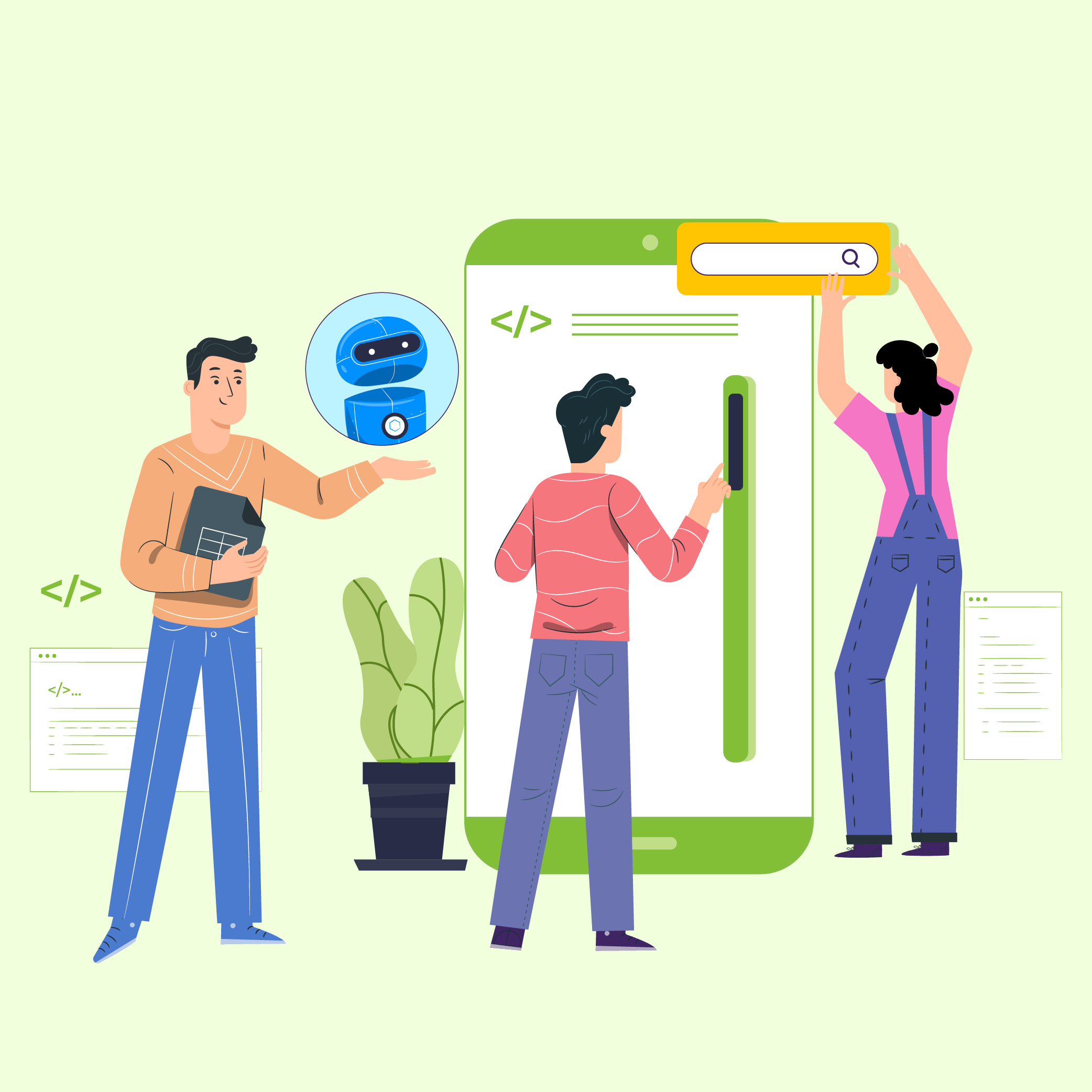

In recent years, Smartphone sales have enormously increased. And, that’s why Smartphones are becoming cost-effective. With the rapid advancement and technology updations, number of Internet users has increased exponentially. And, the increase in volume has resulted in making the mobile app industry enormous. By 2016 end, it is anticipated that there would be over 10 billion devices available on the Internet. Here are a few things, which every developer should know in order to be updated with the latest trends:
Cross-Platform and Cross-Device Development
Mobile apps are no longer restricted to single platforms. Due to its pricing, Android will rule the platform business, if we talk in terms of sales, and iOS app development will rule the high-end market. With time, mobile apps will no longer be confined to specific technologies and platforms. Effective mobile app consulting and planning help businesses identify the right platform strategy and technology stack for their unique needs. Undoubtedly, with the evolution of HTML5, the future of mobile applications will see hybrid mobile application development growth and will work for all trending and new platforms.
Developer Tools
Every year, mobile application industry is introducing tens and thousands of applications. And, that’s why there is too much pressure on launching mobile apps in the shortest time period without any error. Even businesses are also looking to get in for business-centric applications ASAP. And, the application programming interfaces and software developer kits are making convenient to launch applications in shortest possible time. With time, we will see a sudden rise in these mobile applications and more advanced software kits.
IoT Applications
With the recent advancements, users are leveraging technology, which in turn, has made users lazy but the best is still awaited. The IoT (Internet of Things) will help us monitor and track things around us via mobile applications. Technologies and trends like Android Wear, Google Glass, Apple Watches and others are just the beginning. Infact, these days we are seeing some amazing models of IoT applications including self driving cars, fridges that can read your tweets and rings that can control everything etc. In time, we will see more of these technologies being used in our daily lives.
Enterprise Apps
Today a lot of focus is being laid on customer apps and going forward the trend will head towards Enterprise apps. With time, as enterprises are more willing to shell out money, users are getting what they want. Also, enterprises are also looking to get updated with the latest technology and mobile apps are looking forward to help them do so.
Cloud Computing Apps
In 2015, we saw a number of apps merging with cloud computing. Now everyone is shifting their databases to the cloud and virtualizing their platform through cloud computing virtualization. And, ISPs are also pushing cloud storage at a very average price. Even Cloud storage helps end users to sync and access the database from anywhere with no risk of data corruption. Geeks and gurus are anticipating that this trend will continue and will see a number of new and trending cloud computing applications.
Location-Based Services
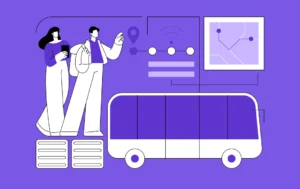
Nowadays, our day-to-day activities—be it ordering food, groceries or calling an electrician is depending upon the mobile apps. Users find apps a more convenient and easy tool to get them done. These types of mobile apps help to check your location and find the best nearby resources. With time, we will see an enormous rise in location-based apps and the demand for mobile app development services in Singapore.
Mobile Security Apps
With Smartphone becoming more prominent and our dependency on them increases for accessing secured bank applications and other private data. Thus, Mobile security is the next big thing. Even for enterprises where data breaches occur, thus data privacy can cost company fortunes. Thus, mobile security apps will see a much higher demand in the coming years.
Let’s hope the above mentioned points will help you in speculating the future of mobile application development.


Fast 2-minute response, fully NDA-protected.

How Much Does It Cost to Develop a Remote Patient Monitoring App in the UAE?
Key takeaways: Feature scope and system integrations, not the app itself, determine your final development cost. DHA, DOH, and MOHAP compliance must be built into your architecture from day one. Wearables, EHRs, and health information exchanges are the biggest technical cost drivers. A successful RPM platform combines continuous monitoring, clinical workflows, and secure interoperability. Early…

How Much Does It Cost to Develop an App Like Herfy in 2026?
Key takeaways: Herfy-like app development costs SAR 150,000 to SAR 1,500,000 ($40,000 to $400,000). Costs rise with rider tracking, POS sync, kitchen displays, loyalty, and branch controls. Saudi apps need Arabic UX, Mada, STC Pay, VAT, and ZATCA-ready invoice flows. Peak loads during Ramadan, Eid, and weekends need strong backend and load testing. A phased…
Key takeaways: The operating model determines survival. The code does not. Compliance under PDPL in the UAE and SDAIA in Saudi Arabia must be engineered into architecture, not added before launch. A serious build costs between AED 147,000 and AED 1,470,000 (USD 40,000 to USD 400,000), depending on scope. The single largest cost most operators…