
- InventivAI
- Featured Insight
 Leader in AI-First Product Engineering Read Full Article
- About
- Services
 IT Managed & Outsourcing
 - Industries
- Portfolio
- Resources RECOMMENDED BlogsView All Blogs
-
 Contact Us
Leader in AI-First Product Engineering Read Full Article IT Managed & Outsourcing Contact Us

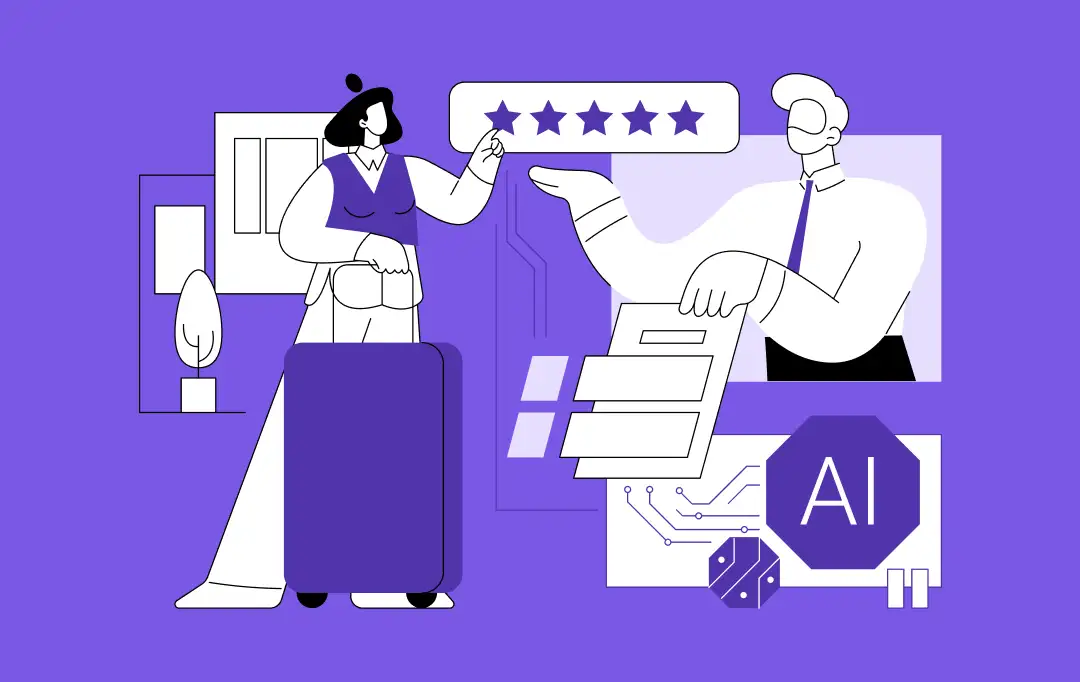
Tootle is an AI-driven travel assistant designed to transform the way users explore locations. Its main goal is to provide real-time, personalized guidance using both voice and text, helping travelers discover nearby restaurants, attractions, and services without juggling multiple apps.
Built as an LLM-powered conversational AI, the platform integrates multiple real-time data sources, including Google Places, Wikipedia, and Yelp. This enables a rich, context-aware experience combining factual knowledge, live ratings, and user-generated insights. Following Appinventiv’s principles for Interactive AI assistants, Tootle keeps conversational context intact while guiding users seamlessly.
The platform also supports multi-modal interactions, allowing voice-first and text-first queries. It lays the foundation for future expansions like additional APIs or a real-time AI recommendation engine.
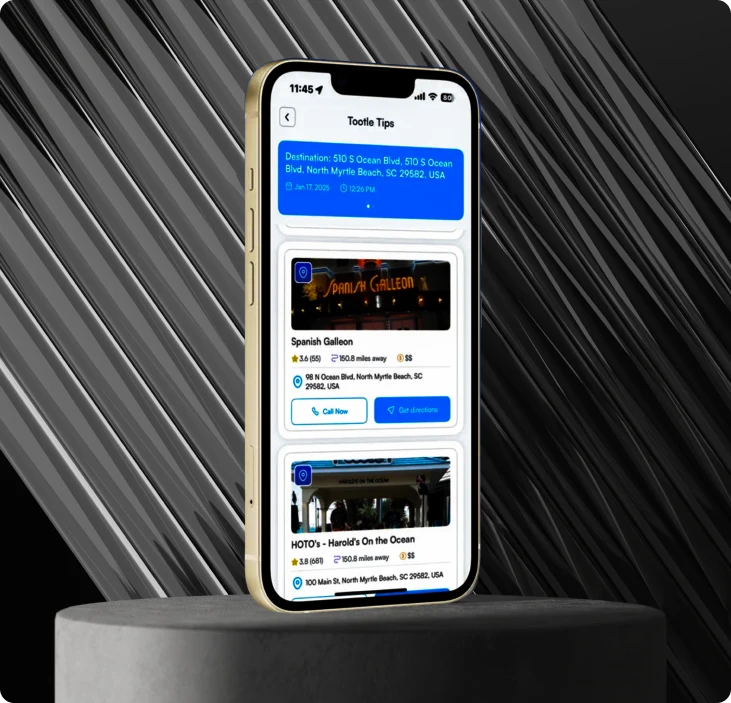
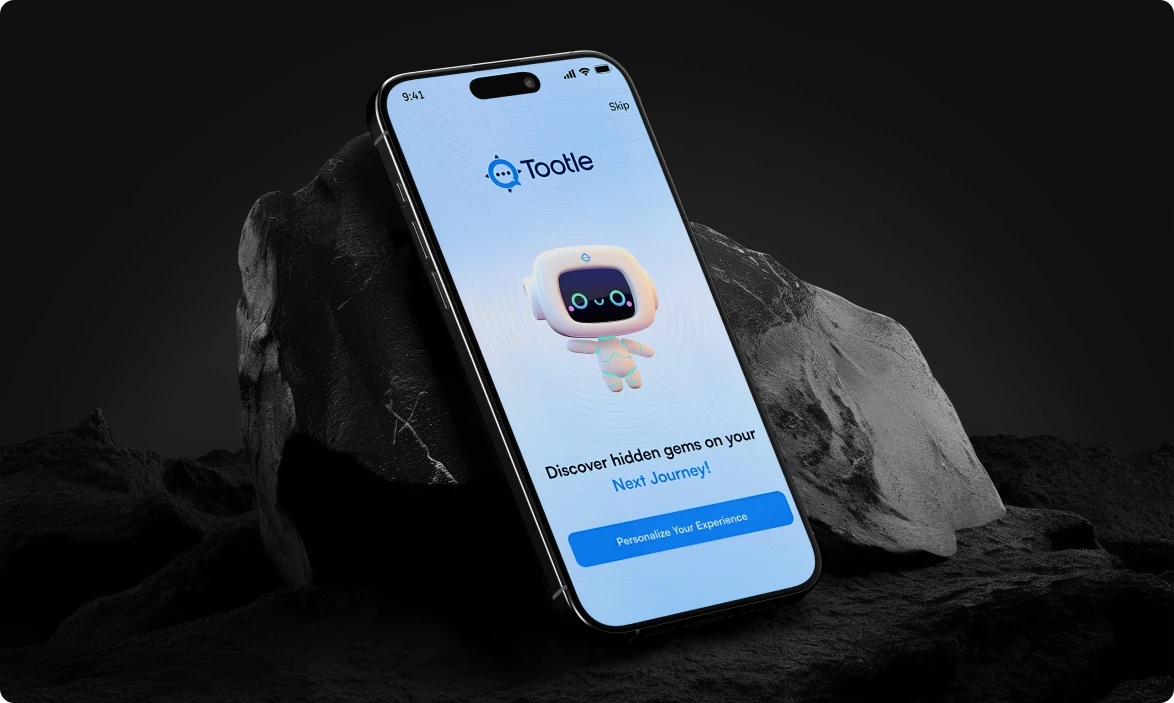
The client wanted more than simple location pointers. They envisioned a multi-modal AI assistant capable of understanding context, remembering preferences, & responding instantly. Travelers needed both voice and text interactions, whether asking for restaurant tips on the move or exploring attractions from their phones.
Live data integration was critical, including ratings, reviews, and factual content that had to come together into a single answer. Users expected quick, actionable insights without having to switch apps. The goal: a seamless experience where the assistant felt like a knowledgeable companion, powered by enterprise AI agent development and crafted for accuracy in travel guidance.
PDFs, videos, and YouTube content, into structured, high-quality assessment questions. The goal was to reduce manual effort, maintain alignment with Bloom’s taxonomy, and support varied skill levels.

Providing instant recommendations across multiple APIs while maintaining accuracy required careful orchestration. Latency had to be minimal to ensure smooth conversation flow.
Users could switch between voice and text mid-query. The AI had to preserve context, track intent, and handle follow-ups naturally.
Each data source had different formats and reliability levels. Building a robust multi-API AI agent orchestration system was crucial to integrating Google Places, Yelp, and Wikipedia seamlessly.
The system needed to feel responsive and intelligent without overwhelming the user with unnecessary details. Summarization and personalized recommendations were tuned iteratively.
We crafted Tootle as a conversational AI agent with voice and text, orchestrating multiple APIs through a central LLM framework. The system interprets queries, fetches relevant info, summarizes content, and delivers actionable recommendations instantly.

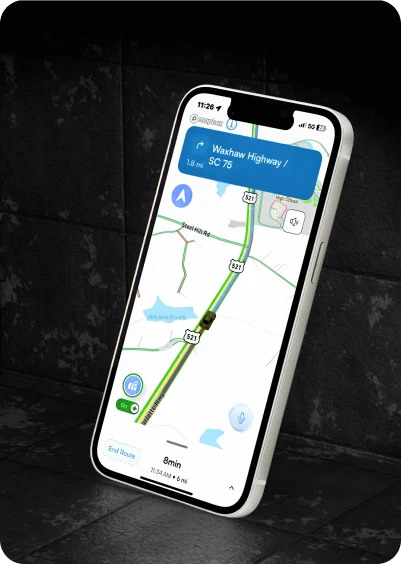
Key elements:
This setup makes Tootle a multi-modal AI assistant, blending real-time data retrieval, summarization, and voice/text interactivity. Users get actionable travel insights instantly, across devices, creating a smoother and faster experience.





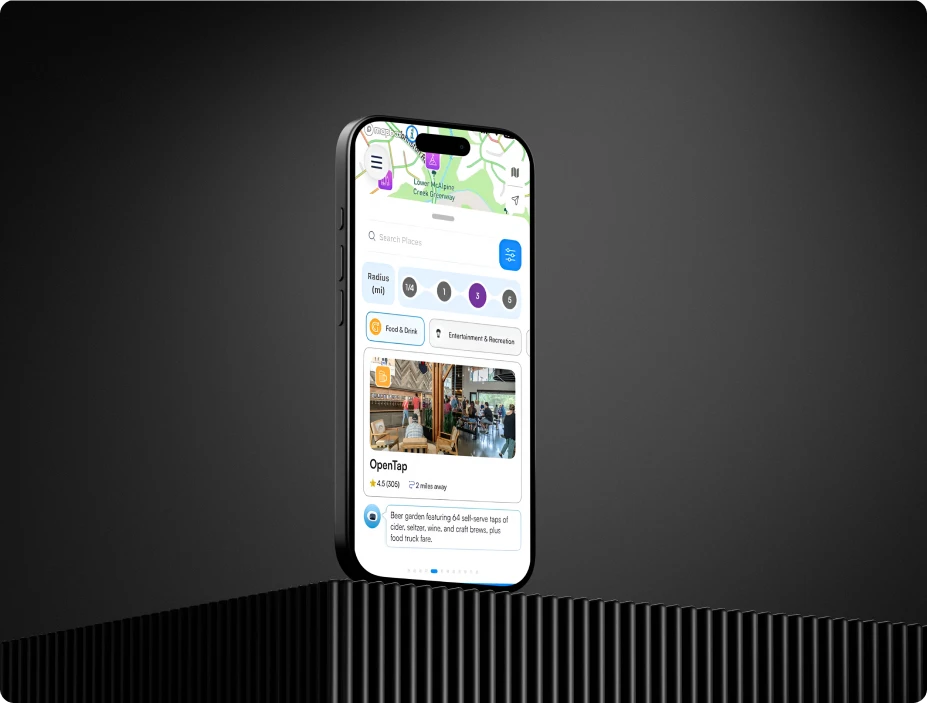
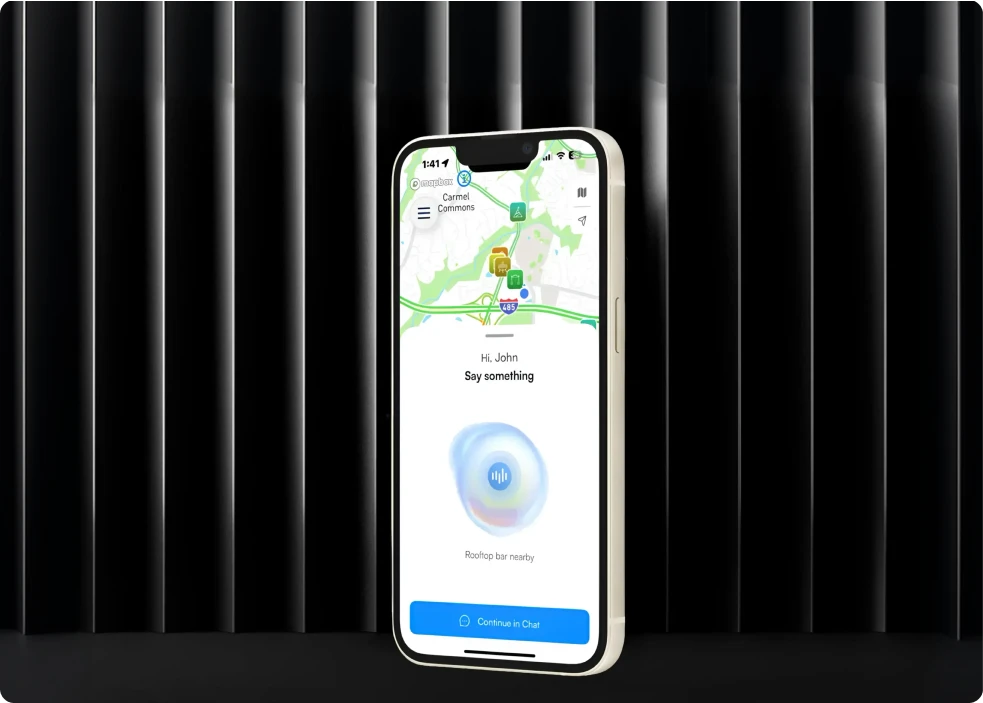
The AI-powered assistant reshaped how users explored travel options by replacing fragmented searches with a single conversational experience that worked across voice and text.
Hyper-personalized travel recommendations drove a 35% increase in user engagement across devices and interaction modes.
Multi-API orchestration delivered 10x faster responses, eliminating manual lookups and app switching during trip planning.
Build a platform combining AI travel assistant development and multi-source orchestration for instant, actionable insights.

Cost depends on LLM complexity, multi-API integration, and voice/text features. A typical AI-powered intelligent agent platform ranges between $100,000 and $300,000. Multi-modal capabilities or advanced recommendation engines increase the range.
Also Read: How Much Does AI Chatbot Development Cost in 2026?
Development usually takes 8–12 months, covering requirement gathering, LLM training, API orchestration, speech layer setup, and iterative testing. Multi-step reasoning flows, and conversational context management may extend the timeline slightly.
Tootle was built as an AI-powered intelligent agent, not a scripted bot. It combines LLM-powered conversational AI with live data pulls and memory across interactions. So when users ask follow-up questions, the assistant already knows the context. That is where it differs from typical assistants that reset after every response and rely on shallow intent matching.
Yes. The system was designed with enterprise AI agent development in mind. New APIs, languages, and interaction modes can be added without touching the core logic. The underlying AI agent orchestration keeps data flow stable even as traffic grows or features expand.
Absolutely. Tootle supports regional tuning through source selection, ranking logic, and response style. Whether it is a city-specific rollout or a niche use case, the platform adapts easily. This flexibility comes from its foundation in AI virtual assistant development, where customization is treated as a baseline, not an add-on.