





























 Leader in AI-First Product Engineering Read Full Article
 Contact Us

We design intelligent, safety-aware systems that function reliably within regulated clinical and device environments. Each system is engineered to support real-time decision workflows, preserve deterministic control, and evolve safely under strict validation and audit requirements like FDA 21 CFR Part 11 and ISO 13485.
Our Core Capabilities:




















With over a decade of hands-on experience in digital
engineering, our work is backed by
measurable outcomes
Digital Health Platforms Delivered
Healthcare Clients Served
Years in HealthTech Projects
Connected Medical Devices Integrated
Uptime for Critical Systems
Operational Efficiency Gains in Hospitals






We help teams define how software fits into a medical device, clarifying intended use, clinical context, and regulatory impact early so development starts with fewer assumptions and fewer downstream corrections.
• Regulatory and technical assessment:
Review intended use, software scope, risk exposure, and how regulators are likely to interpret system behavior.
• Software planning and direction:
Define realistic development paths aligned with compliance efforts, validation scope, and long-term product timelines.

We build embedded software that runs close to the hardware and behaves predictably over long periods, with timing, control logic, and failure handling treated as core design concerns.
• Device-level control software:
Develop embedded logic aligned with safety classes, timing constraints, and real-world operating conditions.
• Hardware-aware development:
Build software shaped by sensors, processors, memory limits, and physical device constraints.

Our experts develop stand-alone medical software or SaMD systems under formal design controls, with risk management and verification planned from the start to support regulatory review and clinical accountability.
• SaMD development under regulation:
Structure software to meet FDA, EU MDR, and other international regulation expectations from early architectural decisions.
• Planned validation paths:
Map risk management and verification activities alongside functional development work.

We design custom medical device software tailored to specific clinical workflows and device behavior, while keeping future changes manageable under regulatory constraints.
• Purpose-built device software:
Build software aligned with real clinical use, device intent, and operational context.
• Long-term adaptability:
Design systems that support updates and extensions without reopening core compliance work.

We develop connected device software that supports monitoring and data exchange without introducing instability, security gaps, or uncontrolled behavior across environments.
• Remote device visibility:
Provide insight into device status, usage patterns, and operational signals over time.
• Controlled data movement:
Support secure, reliable data exchange across devices, platforms, and care systems.

We integrate medical device software with hardware, platforms, and external systems in controlled steps, focusing on timing, data accuracy, and failure handling.
• System and device integration:
Connect software with devices, sensors, and platforms using structured, testable approaches.
• Interoperability support:
Integrate with clinical, enterprise, and third-party systems without disrupting compliance.

We support medical device software after release through controlled updates, careful fixes, and ongoing monitoring to maintain stability and compliance.
• Governed updates:
Introduce software changes with validation impact, traceability, and risk review in place.
• Operational support:
Monitor live systems, resolve issues, and support stable operation post-deployment.
Estimates built around safety class, integration complexity, and
compliance
workload, not generic assumptions.

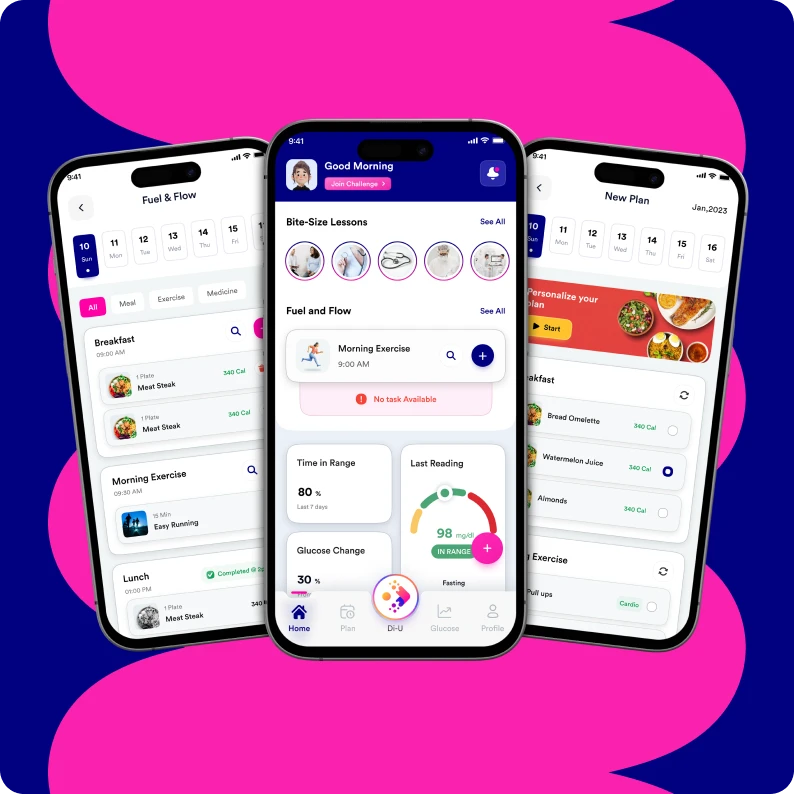
Personalized Support for Diabetes Management

DiabeticU wanted to go beyond basic tracking and offer people with Type 2 diabetes real-time, personalized support that could adapt to daily routines and health signals.

We built a custom healthcare app using AI to deliver tailored guidance. The platform combines glucose tracking, medication logging, activity monitoring, and a conversational assistant to support patients throughout the day.

Unifying Health Data at Scale
The goal was to bring fragmented health data together, allowing users to manage information from devices, apps, caregivers, and research programs in one place.
We developed a healthcare software capable of aggregating data from more than 200 data sources, adding predictive insights and enabling collaboration between patients, caregivers, and research teams.
Voice-Based Health Signal Analysis
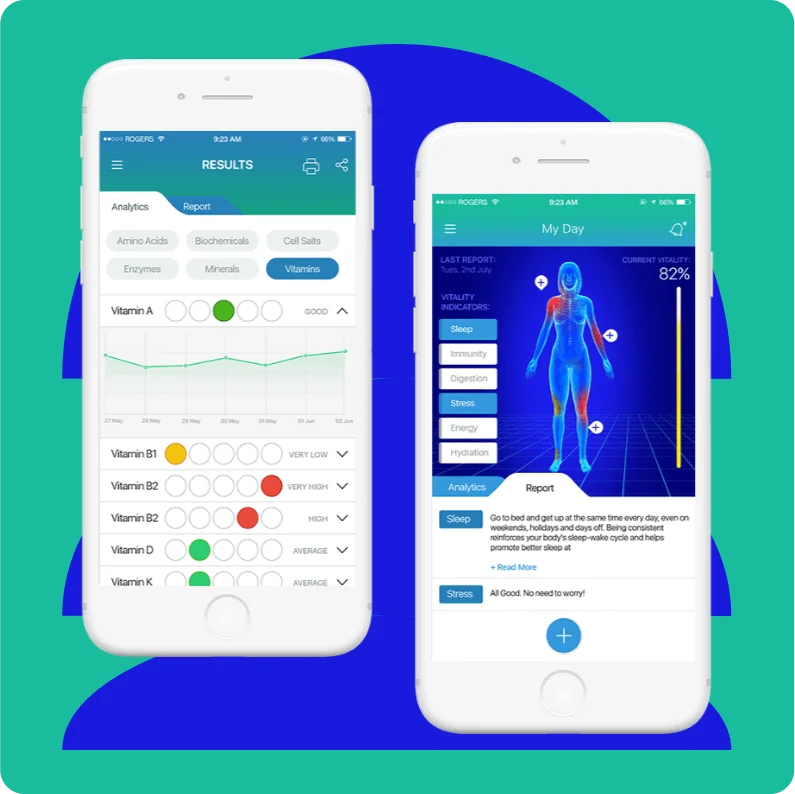
Soniphi needed a way to analyze voice signals accurately while filtering out background noise in real-world environments.
We built a wellness app using bioacoustic technology to process voice patterns in real time and generate personalised vitality insights through a simple user experience.
Improving Patient-to-Staff Communication
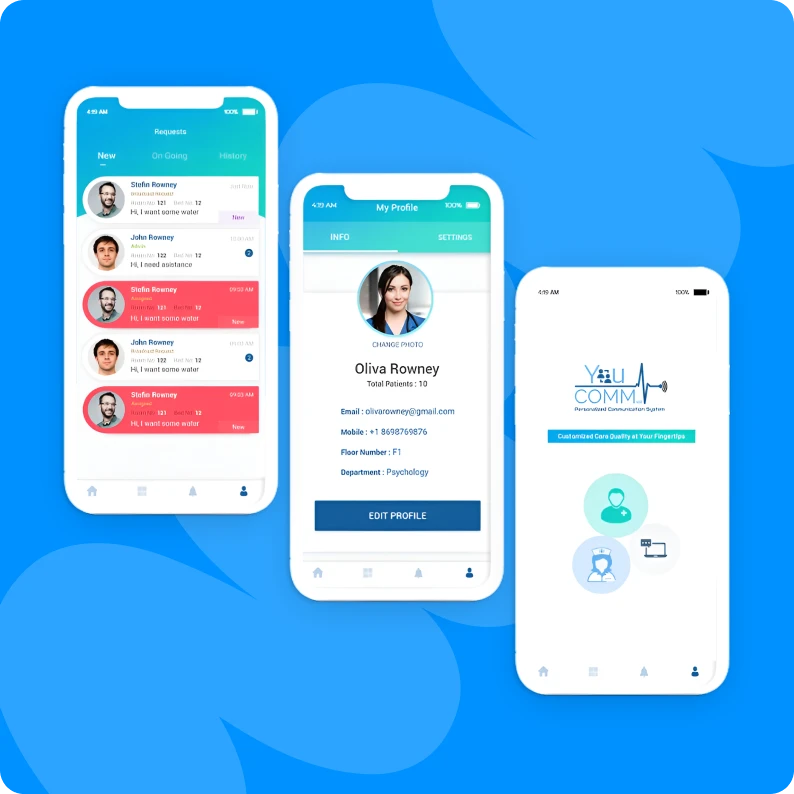
Hospitals needed an alternative to traditional call bell systems, especially for patients with limited mobility or speech challenges.
We developed a mobile app that allows patients to send requests using touch, voice, or motion. The system integrates directly with hospital workflows for faster routing and response.
A Unified Digital Care Platform
Patients were navigating multiple systems for appointments, consultations, prescriptions, and medical records.
We built an all-in-one healthcare application that brings scheduling, teleconsultations, e-prescriptions, and secure record access into a single, connected experience.

Simplifying Everyday Care Access
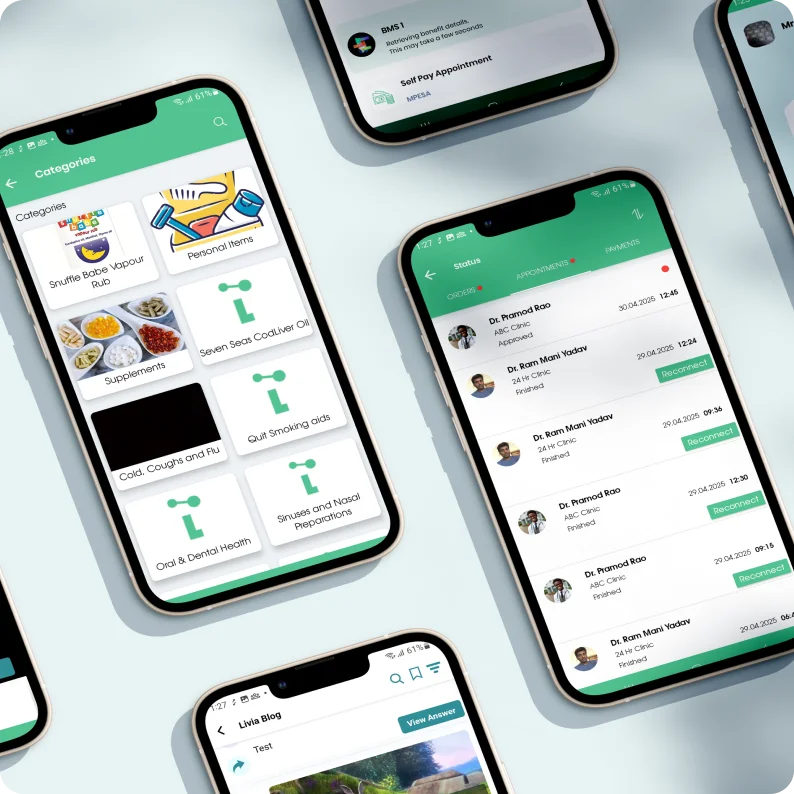
Livia Health aimed to reduce friction in routine care by giving patients one place to manage appointments, prescriptions, and medication orders.
We designed and developed a mobile application that connects doctor scheduling, e-prescriptions, and pharmacy services into a unified care journey.



Manager, IT Division, TokiApp
We engineer regulated, safety-critical software that holds up
in clinical use
and
regulatory review.

Integration with EMR/EHR software that synchronizes medical device data directly with electronic medical records, ensuring patient profiles reflect real-time readings, trends, and clinically relevant changes.
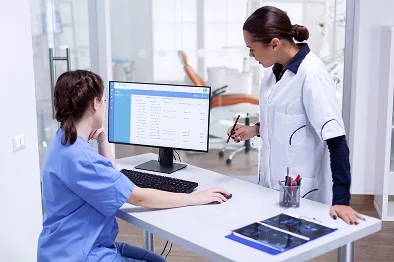
Device integration layers that connect medical devices to hospital management systems, supporting automation, centralized control, and coordinated device operations across departments.

Software integrations that link medical device data with pharmacy management platforms, enabling medication dispatch, therapy tracking, and safeguards against adverse interactions.
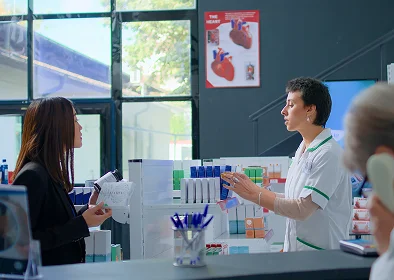
Integration frameworks that allow medical devices to support remote examinations, diagnostics, and treatment validation within telehealth EHR platforms.

Medical device software integrations that feed structured device data into analytics systems, enabling reporting, clinical insights, and operational visibility across care networks.


IEC 62304

ISO 13485

ISO 14971

FDA Software Guidance

GDPR

PDPL

ISO/IEC 27001
SOC 2

OWASP Top 10

IEC 62366
From embedded control logic to companion platforms, every build is structured for traceability, validation, and controlled change. This approach allows our medical device software solutions and services to remain defensible during audits and dependable during long-term clinical use.
Unlike teams that retrofit compliance late, we embed regulatory controls directly into system design. Software is developed with clear safety classifications, documented risk controls, and verification paths aligned with IEC 62304, FDA Class I, II, & III expectations, and MDR requirements.
Our experience as a medical device software company spans single-device programs to multi-region product portfolios. We architect platforms that support device variants, regional compliance needs, and future extensions without rework.
Designed to handle

IEC 62304
safety classes and audit trails
24×7
clinical uptime expectations
Multi-year
lifecycle updates without regression


Statista High Growth Companies
APAC
2025 & 2024

Statista India's Growth Champions 2023
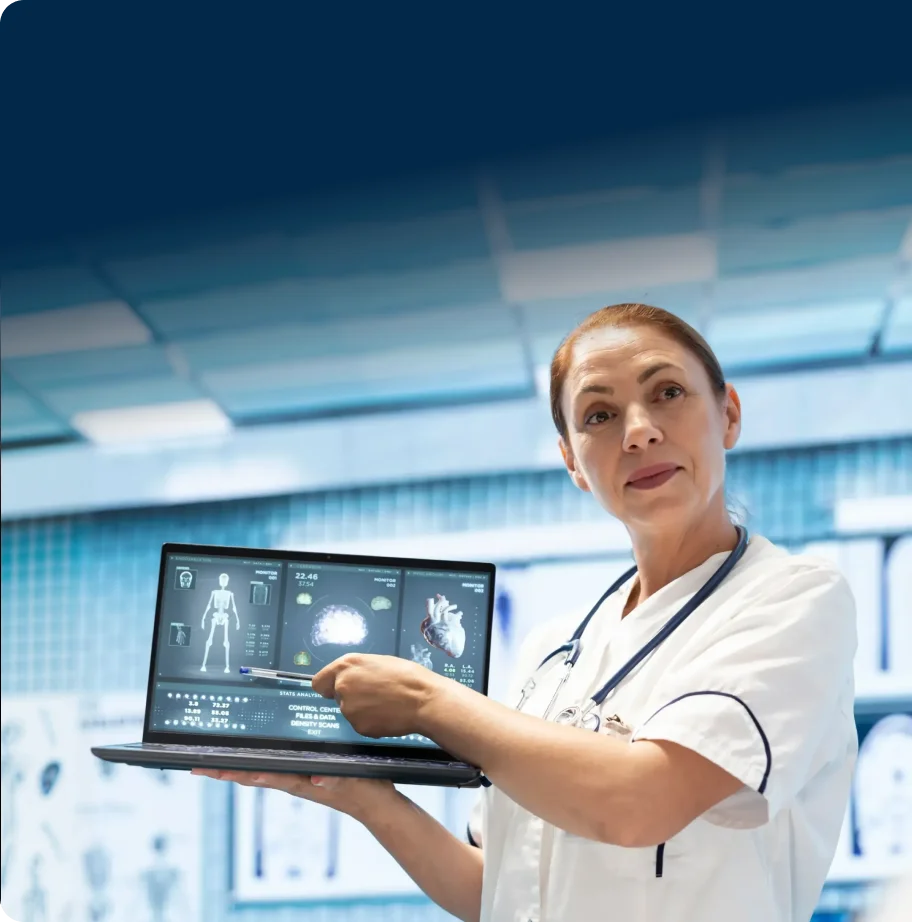
AI is used selectively within medical device software, including assisting clinicians with prioritization, flagging patterns in device data, and reducing manual review work.
Typical uses of Gen AI include assisting with report drafting, summarizing device output, or supporting internal review and documentation workflows without affecting device behavior.
Machine learning models are used where prediction or pattern recognition adds value, such as identifying early risk signals or tracking trends over time.
In medical device contexts, blockchain is used to maintain access logs, track data provenance, and enable secure data exchange across organizations.
Analytics layers sit on top of device data to make large volumes of readings usable. Dashboards and reports are designed to help teams understand trends, performance, and anomalies.
In device-related software, AR and VR often supports procedural training, rehabilitation programs, or assisted setup and calibration tasks.
IoT technologies connect devices to monitoring platforms so that the data can be collected continuously and reviewed remotely.
Software built for wearables focuses on filtering noise, managing battery constraints, and presenting information to support timely action.
IoMT platforms layer handles coordination, visibility, and basic management so that teams can work with many connected devices without managing each one separately.
Computer vision is applied to image-heavy workflows such as scans, device visuals, or recorded procedures to assist with classification, labeling, or highlighting areas of interest.
Cloud infrastructure supports storage, remote access, and collaboration around medical device data, emphasizing security and controlled access.














Medical programs fail when software is treated like a normal product build. A reliable medical device software company has to deliver safety, documentation, and repeatable quality as part of day-to-day engineering. Our end-to-end medical device software development model is built to keep releases moving while staying defensible in audits and reviews.


Device software has to behave predictably across edge cases, not just in lab flows.
Our medical device software developers implement risk controls, deterministic logic, and verification checkpoints, so reliability is proven, not assumed.

IEC 62304, FDA expectations, and MDR requirements can create rework when they are handled late.
We embed traceability, review gates, and validation artifacts into the build process so compliance is produced alongside code.

Devices must exchange data with peripherals and clinical platforms without breaking data integrity or workflow reliability.
We engineer medical device integration and interoperability layers that support stable communication between device software, companion apps, and healthcare systems, with clear contracts and audit-ready logging.
We begin by understanding the medical device itself, its intended use, and the environments it operates in. We define what the software controls, what it supports, and how data flows across the system. This phase establishes scope, safety expectations, and regulatory boundaries early, preventing drift and rework later in development.
We design around constraints, not tools. Hardware limits, safety classes, update paths, and product lifespan guide every architectural choice. Whether embedded software, a companion application, or backend services, each decision is made to support validation, predictability, and controlled change over time.
Before committing to full builds, we prototype the parts that matter most. Device communication, timing, data handling, and user actions are tested hands-on, not just reviewed on paper. Our medical device software developers use this phase to catch real-world issues early, which reduces risk later in custom medical device software development services.
Integration is handled as a disciplined phase. Software is connected to hardware, sensors, and external systems in measured steps. We verify timing, data consistency, and failure handling to ensure deployments remain stable, compliant, and free from unintended system behavior.
After release, we focus on stability and control. Software behavior is monitored in real use, updates are introduced through governed processes, and every change is assessed for impact. This ensures medical device software remains reliable, compliant, and sustainable throughout its operational life.
There isn’t a fixed stack for medical device software engineering because the software behaves very differently depending on what the device does and where it runs.
Cost is mostly shaped by safety class and validation effort, not by how fast code gets written.
Our experts can offer you exact cost estimates based on your custom business requirements. Get in touch with our team now!
No physical device is required for SaMD, but the software still has to be treated like a regulated product from day one.
From a regulatory view, SaMD follows the same discipline as other medical device software and life cycle planning still applies. As a medical device app development services provider, we help teams define intended use, validation scope, and regulatory-ready workflows even before hardware or live deployments exist.
There’s no single timeline, but most medical device software programs fall into a familiar range when things are scoped properly.
In practice, full software development for medical devices typically spans 6 to 12 months, including SaMD programs. Timelines stretch when requirements keep changing or regulatory prep starts late.
Medical device software shows up in more places than people expect once you look beyond firmware.
Being a renowned medical device app development company, we work across all these layers, helping teams design, build, and maintain regulated software that stays reliable from device operation through clinical use and long-term lifecycle updates.
FDA expectations are handled as part of everyday engineering work, not as paperwork added at the end.
This applies across all custom medical device software and SaMD programs.
FDA validation is about keeping behavior bounded and understandable, not about chasing perfect accuracy scores.