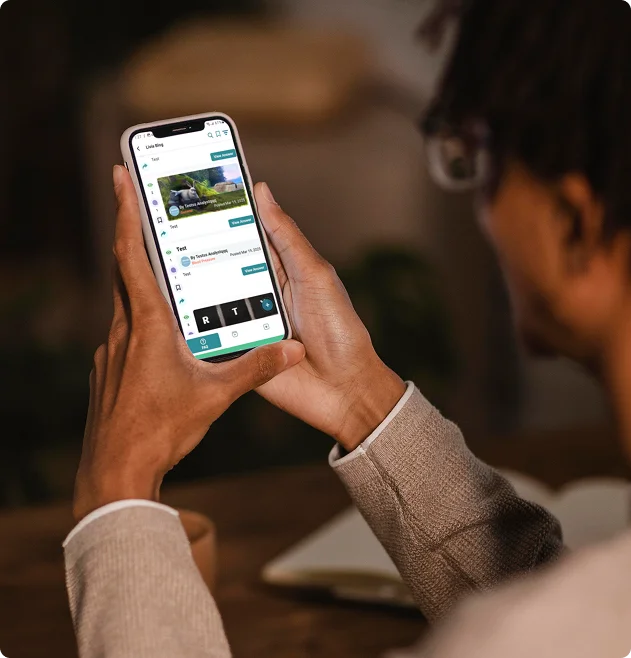
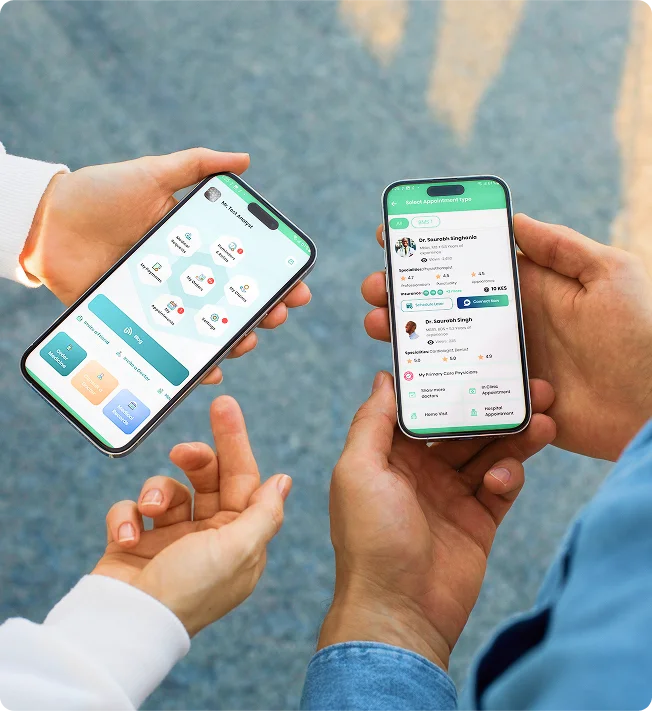
Livia is a visionary healthcare platform founded by Samier Muravvej under Neotech Kenya Ltd. It aims to digitally transform how healthcare services are delivered by connecting all major stakeholders in the industry. Through its multi-platform solution, Livia bridges the gap between patients, doctors, pharmacies, insurance companies, hospitals, and delivery riders.
Established
End-to-end Development, Cloud & DevOps Support
Our client approached Appinventiv with a compelling idea. He wanted to create a unified, seamless digital healthcare ecosystem that enables smooth coordination among various stakeholders involved in the medical process. The goal was to build a platform that facilitates digital appointments, insurance integration, medicine delivery, online consultations, and more.
The key objective was to develop multiple connected applications catering to different user personas while maintaining stability, scalability, and ease of use. Appinventiv worked closely with the Livia team to co-develop a full-fledged healthcare solution encompassing the needs of patients, doctors, delivery personnel, and insurance providers.
As a result, Livia now stands out in the digital healthcare space by offering a truly integrated, multi-role experience. It brings together patients, doctors, pharmacies, riders, and insurers through a single digital ecosystem—driving convenience, compliance, and operational efficiency across the healthcare value chain.
Dedicated applications and admin dashboards for patients, doctors, pharmacies, delivery riders, and operators, all interconnected for specific workflows.
Livia’s commitment to customer-centric feedback loops often led to evolving needs and feature requests. This necessitated robust documentation, streamlined communication, and agile responsiveness from our team.
Developing integrated apps for such diverse user roles like patients, doctors, etc., required sharp focus on interconnectivity and personalized UX for each.
Building a HIPAA-compliant infrastructure and integrating secure services such as facial recognition and M-Pesa payment systems were critical challenges, especially when it came to Kenya’s regulatory ecosystem.
When Livia approached us, their aim wasn’t just to build a healthcare app but they wanted to solve a much bigger problem. The healthcare system in their country had many disconnected parts, and the goal was to bring them all together into one smooth, connected digital platform. This meant creating something that worked for patients, doctors, pharmacies, delivery riders, and insurance companies, without making the process complicated.
Instead of jumping straight into Livia healthcare app development, we took a step back and looked at how each person in the system experiences healthcare. What we wanted was to solve their actual pain points that were something like but not limited to:
What does a patient go through while booking an appointment?
How does a pharmacy handle a prescription digitally?
What do doctors need to manage their day smoothly?


We studied all of this to build the system from the users' point of view.
This helped us design apps and systems that didn’t just work on their own, but talked to each other in real time. So when a patient books a video consultation, the doctor sees it immediately. If medicine is prescribed, the pharmacy is notified and a rider is assigned, without any delays or back-and-forth. At the same time, insurance information is shared to start the claim process automatically.
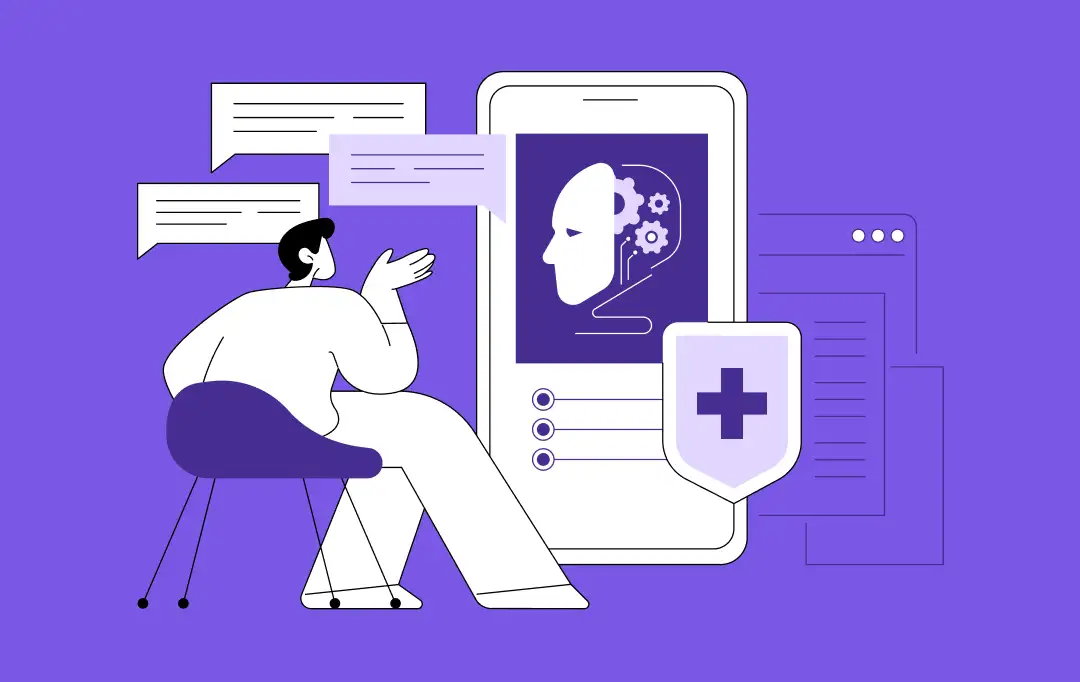
We leveraged AWS cloud infrastructure and DevOps automation to build a secure and scalable system. Key technologies like Amazon Chime were integrated for online consultations, M-Pesa for payments, and facial recognition for identity verification, ensuring smooth and trustworthy interactions throughout.
A core aspect of our Livia application development approach was modularization. Instead of developing a one-size-fits-all platform, we rolled out dedicated applications, each optimized for its user group, alongside a centralized operator panel to oversee and manage workflows in real time. This strategy helped ensure data consistency, security, and usability at scale.
To turn this vision into a working platform, we followed a flexible, feedback-driven approach that allowed us to adapt in real time and stay aligned with user needs.