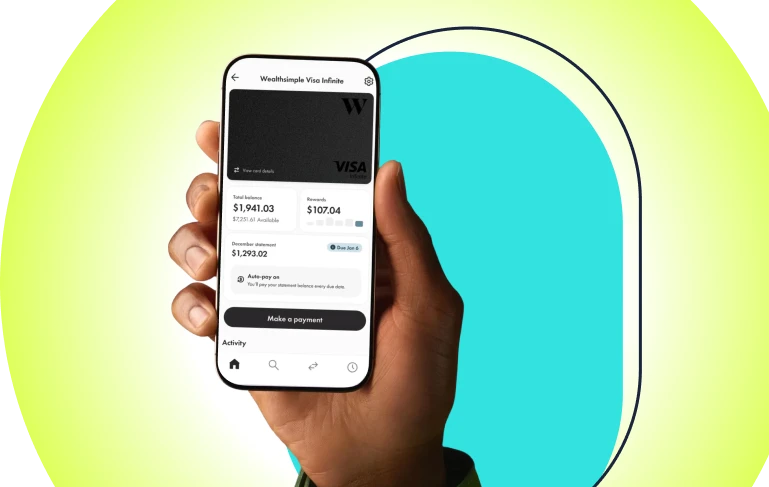
One of Australia’s fastest-growing enterprises in the financial technology space, the company provides a secure digital wallet platform trusted by users across three continents. Known for its reliability, transparent processes, and compliance-first mindset, it serves both individual consumers and large-scale merchants. With a growing international user base and a commitment to ethical, regulation-led innovation, the enterprise continues to set new benchmarks for global digital payment systems.
FinTech
Enterprise
Digital Wallet Development, Compliance Automation, Cloud Architecture, Data Engineering
For an Australian FinTech expanding across Europe and North America, growth brought a new kind of friction related to regulatory fragmentation. While the company had built one of the region’s most promising digital wallet platforms, its compliance operations couldn’t keep up with scale. Each jurisdiction demanded its own checks, like AUSTRAC for anti-money laundering (AML), PCI-DSS for payment data, and PSD2 for open banking mandates.
Manual compliance scripts, country-specific onboarding flows, and disjointed audit logs began to slow down the platform’s agility. Every audit cycle required separate data pulls, policy validations, and regional reporting. Even minor regulation changes led to days of manual updates and version mismatches across systems.

The impact was immediate: onboarding times stretched, cross-border transfers faced downtime during high volumes, and compliance teams were forced into reactive firefighting. The enterprise needed a single control layer that could unify compliance, automate risk responses, and scale globally, without compromising on local regulatory precision.
Appinventiv stepped in to rebuild the digital wallet’s core to improve performance, enhance transparency, and real-time compliance management, making sure every transaction is safe and every regulation is covered.

3-Region Compliance: Achieved full alignment with AUSTRAC (Australia), PSD2 (Europe), and PCI-DSS (North America) through a unified architecture. Real-time rule updates, centralized audit logs, and geo-specific data routing ensured every transaction remained compliant and traceable.
85% Faster Onboarding: Average user verification time dropped from 48 hours to under 7 hours.
60% Less Manual Work: Compliance updates and audit logs now run automatically through a central dashboard.
99.97% Uptime: Achieved through multi-region cloud deployment and auto-failover systems.
30% Higher User Retention: Thanks to faster approvals and seamless cross-border wallet functionality.


PROJECT CHALLENGES
Creating a multi-region digital wallet that stayed compliant across three continents came with layers of complexity. The project needed to align legal, technical, and operational frameworks without slowing user experience or regulatory accuracy.
The FinTech's compliance processes were deeply siloed - different teams, different tools, and no single view of regulatory performance. This meant audit readiness was reactive, not continuous. The challenge was to consolidate these disconnected frameworks into one automated compliance engine capable of adapting to region-specific rules while maintaining real-time visibility.
The client's existing systems stored transaction and user data separately across regional servers. This made audits difficult and increased the risk of reporting gaps. Rebuilding a unified audit trail that could meet regulator scrutiny in real time required deep reengineering of the data layer.
Customer verification and transaction screening were handled manually by regional teams. These processes took up to 48 hours per user, often leading to onboarding delays. Automating this flow while maintaining full accuracy and regulatory acceptance was critical to scale.
Each deployment region had its own cloud configuration and encryption standards. Ensuring end-to-end security, controlled access, and consistent key rotation policies across AWS Sydney, Frankfurt, and Oregon regions was a technical and compliance hurdle.
Laws governing cross-border payments evolve frequently. The client's earlier setup couldn't adapt quickly to changes like PSD2 Strong Customer Authentication or AUSTRAC reporting thresholds. We needed to build a flexible compliance framework that could self-update when new regulations rolled out.
Adding multiple compliance checks risked slowing the system. Maintaining millisecond transaction speeds while ensuring every check ran in the background smoothly required architectural precision and continuous optimization.
EXECUTION STRATEGY
Our collaboration aimed to do more than make a payment app compliant; it was about creating a living, adaptable system that could keep up with regulations, audits, and user expectations across continents. We wanted compliance to become invisible to the user but fully traceable for every regulator.
We started with a multi-region discovery phase, working alongside the client’s compliance, tech, and security teams. Together, we mapped how data moved, how approvals were handled, and where manual checks slowed things down. Every workflow from KYC to transaction logging was reimagined to flow automatically, securely, and with complete transparency.
We followed a phased rollout plan designed to balance compliance accuracy with operational speed.
Started with detailed mapping of regulatory and data requirements for each region to set clear compliance baselines.
Conducted sandbox trials and security checks under AUSTRAC, PSD2, and PCI-DSS frameworks to ensure every workflow met local standards.
Deployed the new wallet infrastructure in stages, tracking performance and user onboarding metrics at every step.
Connected all environments through a centralized cloud bridge for real-time monitoring, automatic data sync, and seamless uptime across continents.

THE RESULT
This transformation went beyond compliance, establishing a resilient foundation for trust and scalability worldwide.
The enterprise’s wallet platform transformed from a region-bound system into a single, connected ecosystem that runs securely across continents. Processes that once took hours are now automated, audits that required weeks can be completed in minutes, and every transaction stays compliant in real time.
The biggest change? Compliance is no longer a blocker but is now built into the system, helping the business grow faster and operate confidently across markets.
| Feature | Before | After | Business Impact |
|---|---|---|---|
| Onboarding Time | Took nearly two days due to manual KYC checks | Under 7 hours with automated checks | Faster customer activation and improved satisfaction |
| Compliance Monitoring | Manual, region-specific reports | Centralized real-time dashboard | Full visibility and reduced audit delays |
| AML Screening | Reactive and time-consuming | AI-based instant transaction scanning | 90% drop in manual reviews, faster fraud detection |
| Data Residency | Separate regional systems | Unified, policy-driven data zoning | Seamless compliance across AU, EU, and NA |
| Uptime | Regional downtime during audits | 99.97% uptime with cloud redundancy | Continuous operations across continents |
| Regulatory Updates | Manual script changes | Automated policy updates | Zero compliance drift, faster adaptation to new laws |

Let’s help you design your own version of success, not a replica. At Appinventiv, every FinTech engagement starts from a blank canvas, built around your regulatory environment, infrastructure, and growth goals.

The cost to develop a digital wallet app depends on how complex the wallet is, what systems it connects to, and how deep the compliance work goes. If you’re planning a full build that covers digital wallet compliance in Australia for enterprises and works across regions under cross-border digital wallet compliance rules like AUSTRAC, PSD2, or PCI-DSS, expect somewhere between AUD 100, 000 – AUD 300, 000.
Smaller pilots cost less, while multi-region wallets with AI-based checks and cloud redundancy fall on the higher side. We usually talk through goals first, then share an exact figure tied to your regulatory scope and timeline. Get in touch with our team now!
Most projects take 10 to 16 months from planning to launch. That covers everything from risk mapping, regulatory compliance in fintech Australia, KYC and AML automation, regional testing, and final rollout.
Our mobile app developers in Australia work in short build cycles, so compliance testing and development happen side by side. That way, you see progress faster without waiting for long audit rounds.
We follow a clear step-by-step routine, keeping all regulations in sight while building.
It’s a straightforward, human-led process - technical, but never complicated for clients.
A compliant wallet isn’t just safer but also runs smoother. Here’s what most companies see within months:
Our AI-powered compliance consulting helps companies turn these checks into real business value, not just another set of rules to follow.