

































How Wearable Technology in Healthcare is Shaping the Next Phase of Care

 Share -



- 01The Transformative Impact of Wearables Integration in Healthcare Apps
- 02A Closer Look at the Types of Wearable Devices Used in Modern Healthcare
- 03Why Wearables Are the Game-Changer Healthcare Apps: Key Benefits Explained
- 04How Emerging Technologies Are Advancing Wearables in Healthcare
- 05Navigating the Challenges of Wearable Integration in Healthcare Apps
- 06Future of Wearable Technology in Healthcare
- 07Experience Seamless Wearable Integration with Appinventiv
- 08FAQs

Key takeaways:
- The continuous monitoring provided by wearable technology enables earlier disease diagnosis and more consistent management.
- Integration of wearables can give useful insights to both patients and providers, and help in preventive and personalized care.
- An increase in AI, cloud, and security infrastructure is enhancing the dependability and confidence of intelligent wearables.
- The issues of data privacy, interoperability, and user adoption continue to be challenges that need to be tackled to achieve broader impact.
- Wearables will be used to enhance access, cut down on expenses and enhance patient engagement.
It frequently starts in ways that can be easily disregarded. Something is wrong with sleep, an irregular pulse, or a pattern that does not seem urgent enough to act on. These clues are not very visible during regular check-ups, and most conditions continue to progress without the person’s knowledge until they need clinical care.
There have been increasing instances where devices such as the Apple Watch identify these changes early. On a single occasion, a notification about an irregular heartbeat during sleep resulted in a visit to the hospital, where the atrial fibrillation was detected and prescribed treatment before it got too late. These examples indicate a larger change in the process of health risk detection.
Wearable technology in healthcare have evolved from simple activity tracking to constant monitoring of heart rate, sleep, oxygen saturation and motion. Combined with mobile health applications, this information can aid in more regular observation and assist clinicians in responding to the emerging trends instead of single measurements.
In this blog, we will review how wearable technology is being used in healthcare facilities, which devices are being used, how they are integrated into advanced systems and the benefits and limitations that organizations will have to bear in reality.
Let’s delve deeper.
Build on this momentum by adopting solutions that enable continuous monitoring, improve clinical visibility, and support more informed, timely interventions.
The Transformative Impact of Wearables Integration in Healthcare Apps
The transition toward hyper-personalized wellness as opposed to generalized care is one of the most significant changes that have been brought about by wearables and mHealth technology. This change is especially effective in the management of chronic disease or populations at risk. Rather than conventional guidelines, patients are given care recommendations that resonate with their real behaviors, rhythms, and triggers.
Conversely, healthcare apps enable providers to access this information, enabling them to monitor patients remotely and make better-informed clinical decisions based on up-to-date information. The impact of these wearable devices is profound on healthcare.
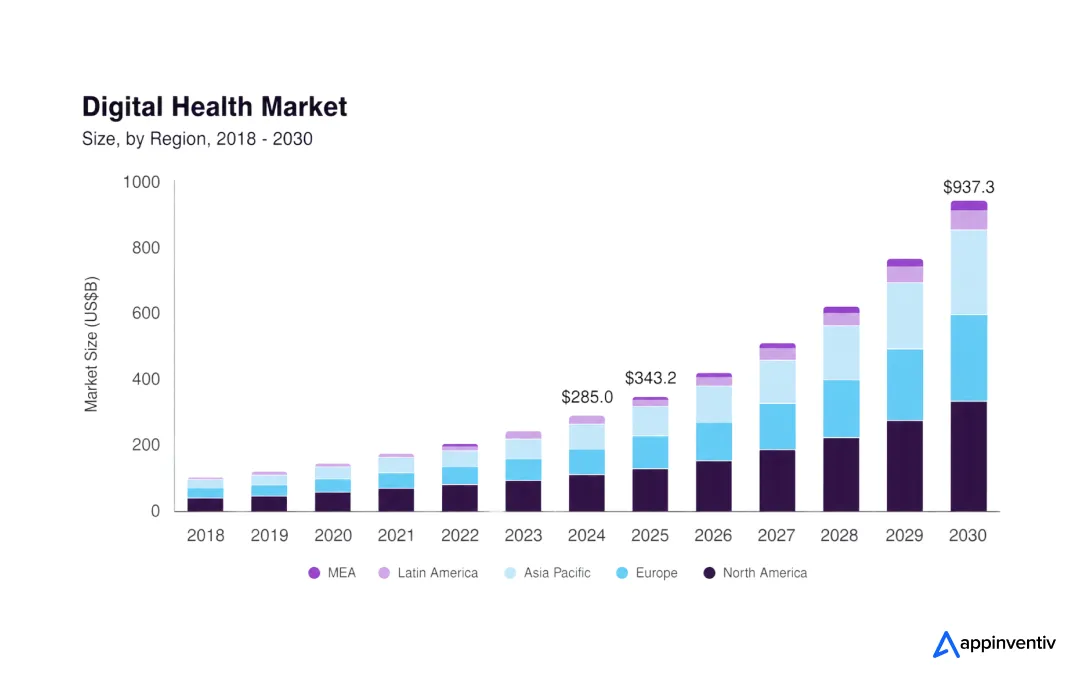
Also, the global digital healthcare market is expected to reach $946.04 billion by 2030, showing just how fast demand for these technologies is climbing (Source: GVR).
Moreover, wearables are also superior in information analytics, which propels healthcare towards a more progressive information-driven format. Complex algorithms analyze the large volumes of data these devices capture, identifying health trends, predicting outcomes, and aiding physicians in decision-making.
The growing dependence on wearables for the management of current health issues and post-operative recovery among fitness enthusiasts and general users also underscores the significance of these devices in improving healthcare delivery.
The convergence of wearable technology and healthcare applications is not only going to lead to improved patient outcomes but will also enable more effective, tailored patient care, making the technology the building blocks of healthcare in the future.
A Closer Look at the Types of Wearable Devices Used in Modern Healthcare
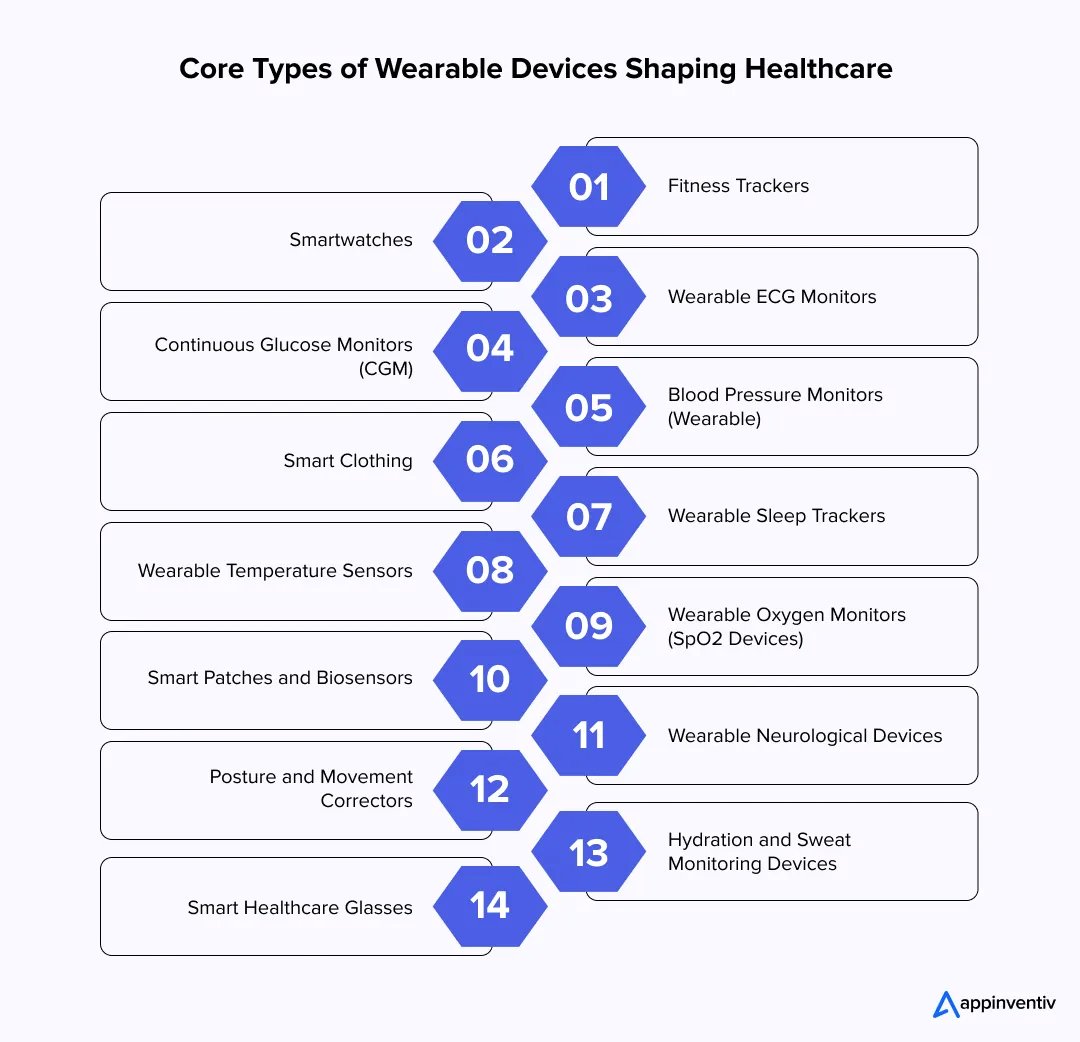
Wearables have become a wide range of consumer and clinical wearables. These types of wearable technology in healthcare record real-time health data and are integrated with online platforms to aid in monitoring, diagnosis, and subsequent care.
Fitness Trackers
One of the most readily available wearable technology devices in healthcare is fitness trackers, which are intended to track the number of calories, heart rate, daily activity and steps. For example, fitness apps like Garmin can be easily connected with a wearable, which syncs data from Garmin wearable devices and presents it in an organized, user-friendly format.
They ensure health tracking is easy and regular, and enable users to be more active and provide healthcare providers with a baseline perspective of the physical health trends over time.
Smartwatches
Smartwatches are an enhanced version of wearable health technology, which is more convenient and provides additional health information. The ECG, blood oxygen, stress and sleep analysis features enable users to track various facets of their health on a single device, with real-time alerts on unusual trends.
Wearable ECG Monitors
These devices highlight how sensor-driven wearable technology supports cardiac care in healthcare settings. They constantly monitor heart rhythms and identify anomalies, including arrhythmias, which allows the detection of these anomalies early on and timely treatment without visiting the hospital on a regular basis.
Continuous Glucose Monitors (CGM)
The primary example of wearables in the healthcare sphere is CGMs that are applied to managing chronic diseases. They also provide us with constant glucose levels throughout the day, which help the patient and clinicians make appropriate adjustments to the diet, insulin and medications based on real-time data rather than on infrequent tests.
Blood Pressure Monitors (Wearable)
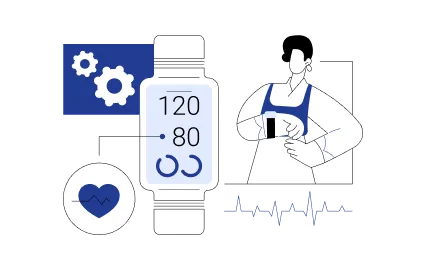
These devices highlight the growing significance of wearable technology in healthtech because they enable one to monitor blood pressure on a continuous basis. Users can monitor changes during the day, recognize triggers and provide accurate records to healthcare providers to better control hypertension.
Smart Clothing
Smart clothing combines AI and wearable technology in healthcare through sensors imprinted in materials. These clothes monitor parameters like muscle movement, posture, and heart rate and are especially beneficial in rehabilitation and physiotherapy as well as athletic training without the need to wear additional equipment.
Also Read: 12 Ways AI is Revolutionizing the Fashion Industry
Wearable Sleep Trackers
Sleep trackers are wearable health technology devices that track sleep stages, breathing, and activity. They offer a lot of information about sleep quality, enabling users to identify disruptions and enhance sleep, which is essential to well-being.
Also Read: Sleep Tracker App Development: Features, Wearable Integration, AI, and Compliance
Wearable Temperature Sensors
An example of practical wearable technology devices in healthcare is the temperature-monitoring devices, which constantly measure body temperature. They have the ability to pick up early signs of infection or disease, hence they are applicable in monitoring individual health and monitoring health in situations.
Wearable Oxygen Monitors (SpO2 Devices)
These are popular wearables in healthcare to monitor blood oxygen, particularly in patients with respiratory disorders. Continuous observation enables timely detection of a reduction in oxygen saturation and facilitates medical intervention.
Smart Patches and Biosensors
Smart patches are the future of healthcare sensor technology and wearable technology, which offer mini adhesive devices to track a range of vitals such as heart rate, breath rate, and temperature. They can be used in long-term, clinical-grade monitoring due to their unobtrusive design.
Wearable Neurological Devices
These devices integrate wearable technology and AI in healthcare to track brain activity and aid in neurological disorders. They are applied in monitoring the seizures, stress control, as well as allowing neurofeedback therapies in nonclinical environments.
Posture and Movement Correctors
Posture-focused devices are part of wearable health technology aimed at improving musculoskeletal health. They observe the body postures and give feedback to rectify postures, which avoids pain and strain while at work.
Hydration and Sweat Monitoring Devices
This new wearable technology solutions in healthcare can measure the content of sweat to identify the degree of hydration and electrolytes. They find particular application in sports and other high-performance conditions where it is essential to keep the optimal physical condition.
Smart Healthcare Glasses
Smart glasses show the potential of wearable healthtech technology to be applied to clinical workflows. They enable healthcare providers to view patient records, imaging, and guidance in real-time and enhance efficiency and reduce interruptions during procedures.
Early adopters have reported increased efficiency in care and improved patient interactions, indicating a growing role for this technology in healthcare provision.
At Appinventiv, we collaborated with Vyrb to create an AI-based, voice-first, social media application based on Bluetooth-enabled wearables. It is hands-free and allows free-flowing audio messaging and instant communication when on the move.
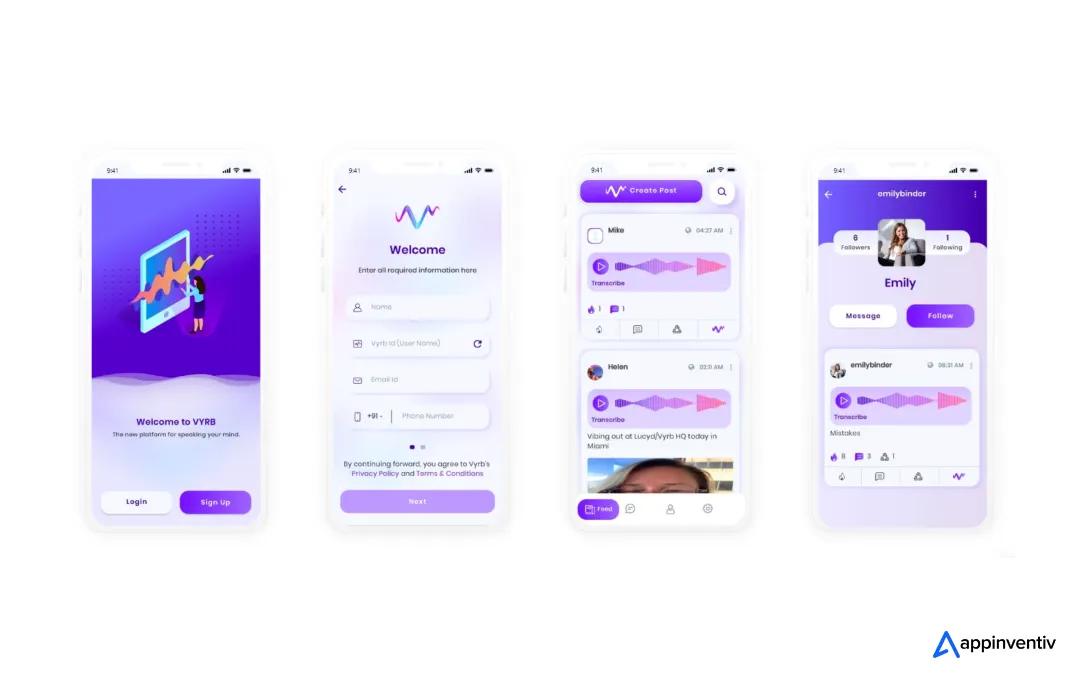
The platform provided an easy user experience and assisted Vyrb in raising more than $1M in capital and introducing the voice-enabled social product that would be wearable device-friendly.
Why Wearables Are the Game-Changer Healthcare Apps: Key Benefits Explained
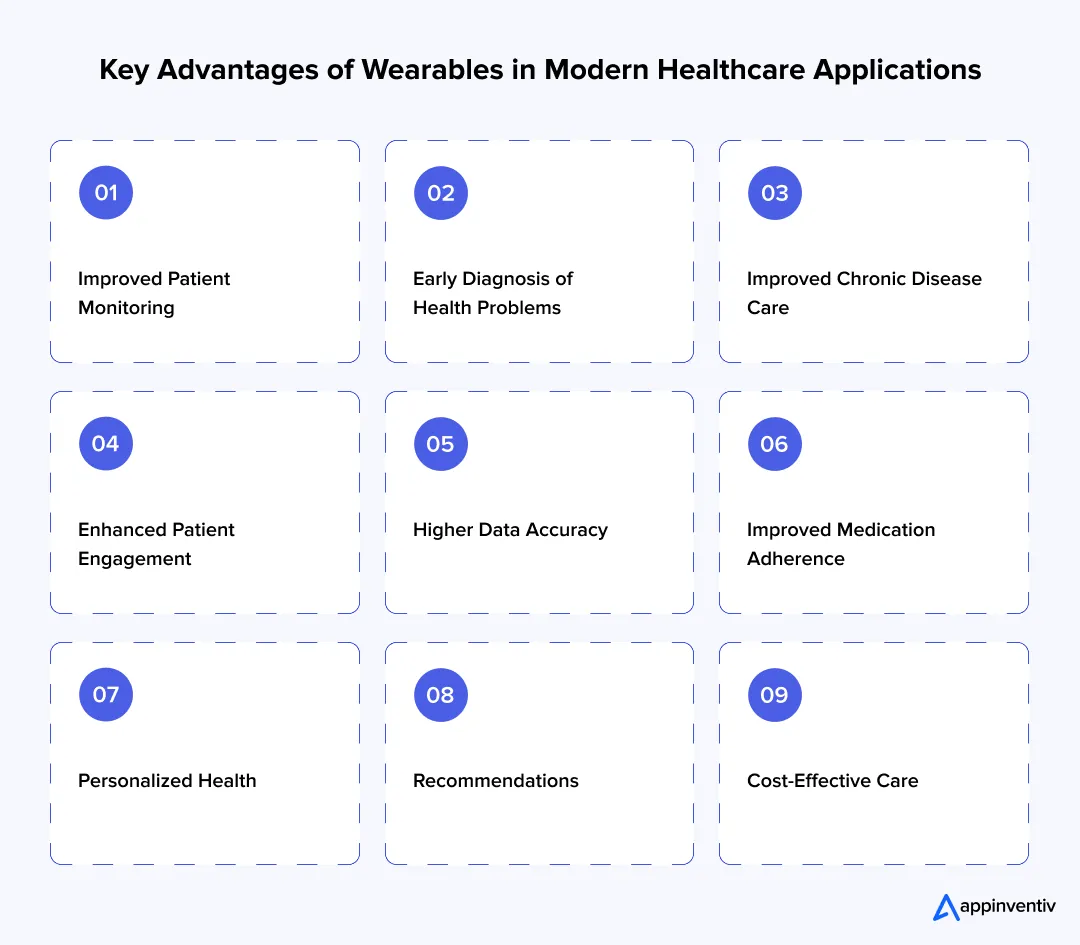
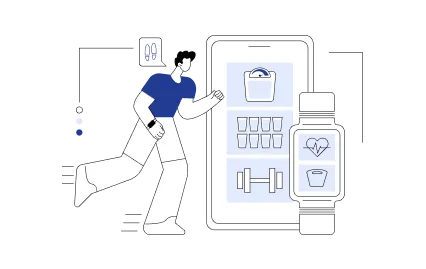
Wearable devices are changing how healthcare is practiced in that they are seamlessly integrated with mHealth applications to offer round-the-clock and real-time health monitoring. Here are some of the main advantages of incorporating wearables into healthcare apps:
Improved Patient Monitoring
Wearables enable proper monitoring of vital signs without requiring regular hospital visits. Heart rate, oxygen levels, and sleep patterns are also provided in real time to mHealth apps. This enables physicians to track patients at home and respond more quickly when changes are noted, particularly in long-term care cases.
Early Diagnosis of Health Problems
Continuous data collection is also useful in detecting abnormal patterns. The indicators of the new health conditions could be abnormal heart rates, acute reduction of oxygenation, or changes in physical activity. Early detection will give medical professionals time to act before the problem escalates, thereby improving patient outcomes.
Improved Chronic Disease Care
Illnesses such as diabetes, high blood pressure, and asthma should be monitored carefully. Wearables will be able to deliver real-time health data that can guide physicians to adjust treatments based on current readings, rather than relying on infrequent check-ups. It results in better control of the condition and a decrease in complications in the long term.
Enhanced Patient Engagement
Wearables give people access to their personal health information, which makes them aware of their daily routine and general health. Simple feedback and activity tracking, as well as reminders, encourage patients to stay involved in their treatment. This may translate into more adherence to treatment and healthy lifestyles.
Higher Data Accuracy
Unlike manual data entry or the rare taking of clinical measurements, wearables are constantly measuring. This reduces the error rate and increases accuracy. The constant flow of quality data gives a more precise picture of the health of a patient and allows for better clinical decisions.
Improved Medication Adherence
Inbuilt reminders and tracking help patients to follow their medication schedules. The healthcare providers can check the missed dose pattern and inform the patient about it. It is handy, particularly in treating chronic cases, where regularity is essential.
Personalized Health Recommendations
Wearables can collect and analyze accurate health and activity data, which can be used to offer personalized recommendations. The real habits of the user can be matched with advice regarding exercise, diet, sleep, and stress management. This renders care more precise and functional for each person.
Appinventiv collaborated with DiabeticU, an application that controls diabetes, which is compatible with fitness trackers and smartwatches. It combines nutritional planning, exercise, drug alerts, and blood sugar monitoring into a single interface.
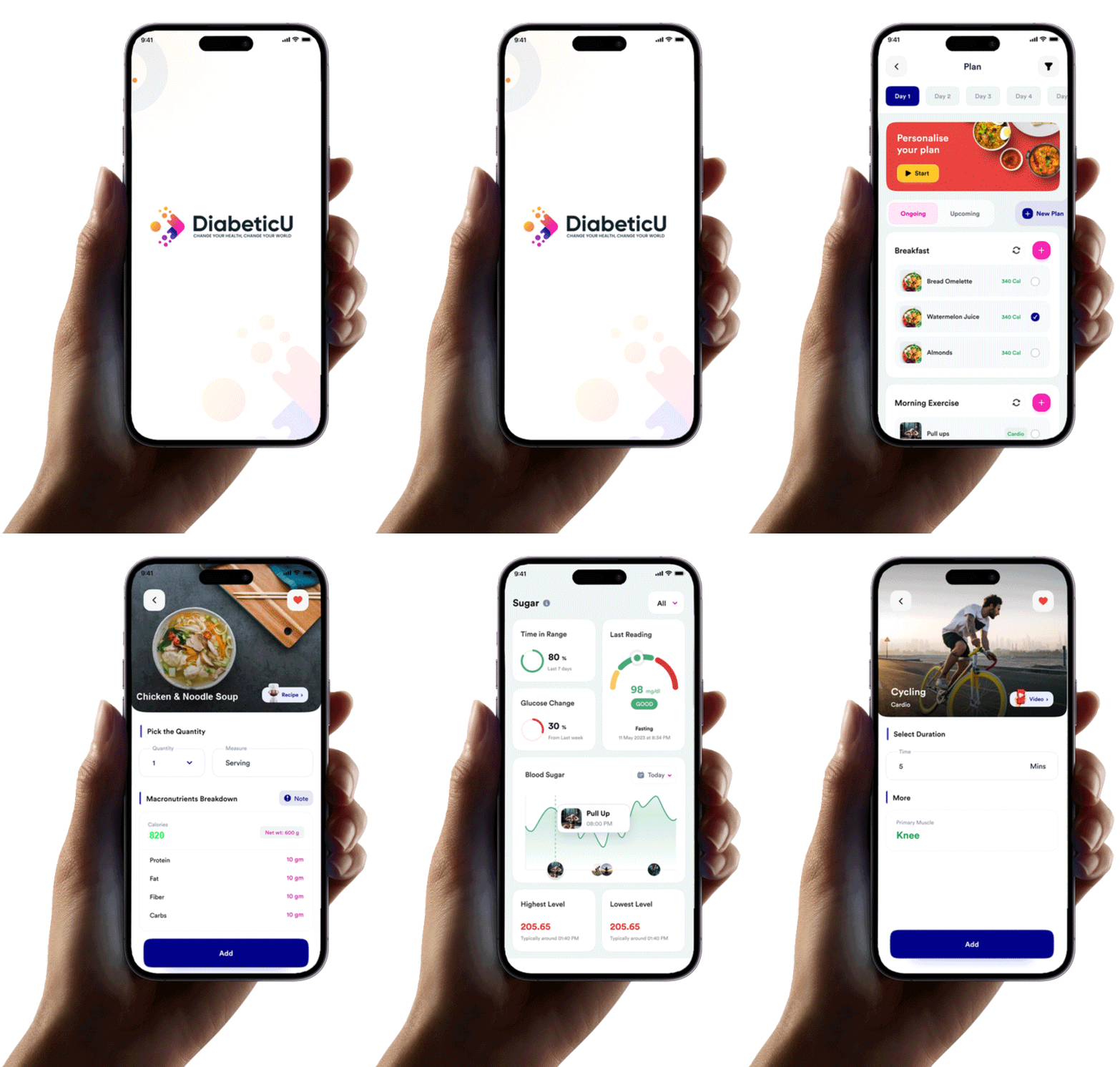
The difference between DiabeticU and other applications is that the former uses real-time health data to provide recommendations that can be adapted to the daily routine and condition of each user. Such a high degree of individualization enhances care efficacy and prevents unnecessary interventions.
With the integration of AI and wearable data, these solutions provide more accurate and actionable health information, making daily patient management more feasible.
Cost-Effective Care
Wearables reduce the frequency of hospital visits and emergency treatment by enabling monitoring and early detection of threats. Patients are able to handle most of their health conditions at home, which reduces the overall health care expenses and ensures continuity in supervision.
Start your implementation journey with us today!
How Emerging Technologies Are Advancing Wearables in Healthcare
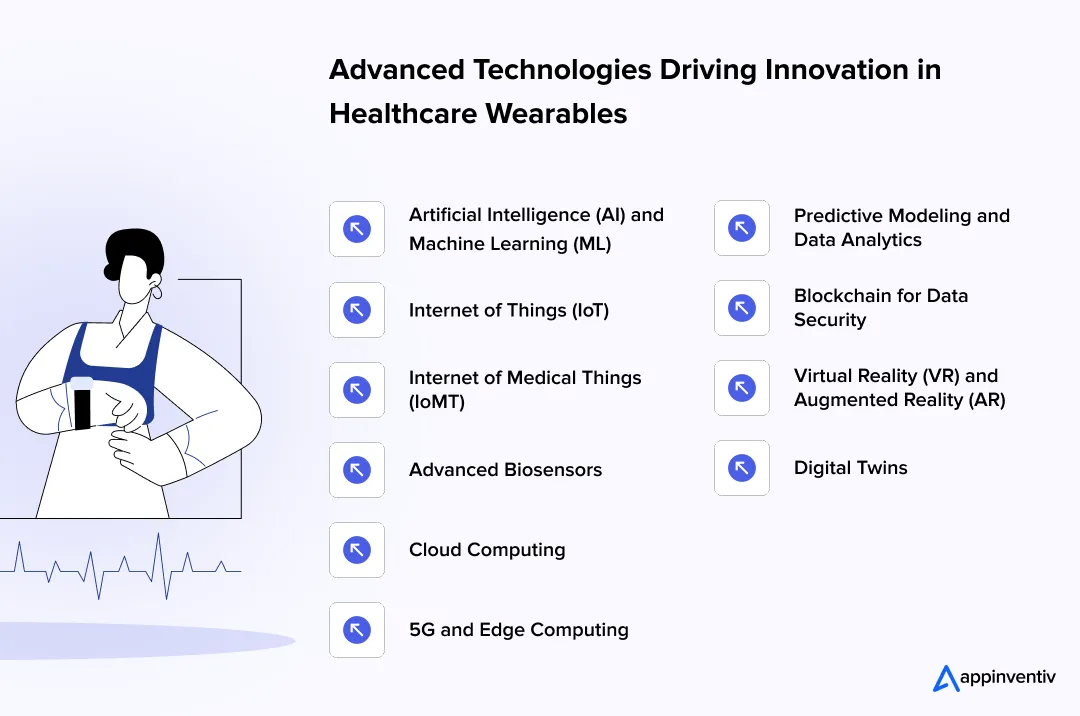
The use of wearable technology in healthcare has become increasingly popular as new technologies have transformed such devices to be smarter, faster and more reliable. These innovations are transforming wearables to go beyond tracking to real-time, connected care delivery and continuous monitoring, yielding predictive insights.
Artificial Intelligence (AI) and Machine Learning (ML)
With the growing use of AI in wearable technology across industries, healthcare stands out for its practical impact. These devices can process health data in real time and detect patterns that may signal potential risks or early-stage abnormalities. It provides actionable insights, early notifications and customized recommendations based on the user’s health behaviour and medical history.
Internet of Things (IoT)
IoT enables wearables to be linked to mobile applications, cloud-based systems, and health platforms, ensuring smooth data sharing. This real-time connectivity enhances remote monitoring and enables healthcare providers to have access to patient information without delays.
Internet of Medical Things (IoMT)
Internet of medical things in healthcare expands the scope of wearable technology in healthtech by connecting wearable devices to the broader medical ecosystem. It facilitates continuous information sharing among patients, clinicians, and healthcare systems, improving chronic care management and enabling quicker clinical responses.
Advanced Biosensors
One of the most significant wearable technology innovations in healthcare sector is modern biosensors, which can measure specific physiological parameters such as heart rhythm, oxygen saturation, glucose levels, and stress. Such sensors enhance monitoring accuracy and enable wearables to be more clinically applicable.
Cloud Computing
The wearables generate a significant amount of data, which is transferred and processed in cloud platforms. Cloud computing in healthcare enables medical workers to access patient information remotely, observe long-term trends, and facilitate scalable digital health systems with real-time access.
5G and Edge Computing
The 5G networks are fast, and edge computing minimizes the latency in data transmission, enabling instant alerts and fast processing. This is particularly crucial in medical cases where an emergency response can enhance patient outcomes.
Predictive Modeling and Data Analytics
State-of-the-art analytics convert raw wearable data into actionable data. Predictive analytics models aid in detecting potential health problems before they escalate into more serious ones, contributing to preventive care and improved treatment planning.
Blockchain for Data Security
As integrating AI in wearables increases the volume of personal health data generated, blockchain helps protect that data through secure and tamper-resistant records. It enhances trust since the patient information is kept confidential and accessible only to authorized persons.
Virtual Reality (VR) and Augmented Reality (AR)
AR and VR technology are advancing wearable applications in fields like rehabilitation, training and guided care. They enhance patient interaction by providing more interactive and immersive healthcare experiences.
Digital Twins
The use of digital twins in healthcare wearables provides virtual models of patients based on data collected from wearable devices. These models assist in simulating conditions, making predictions, and aiding more personalized treatment decisions.
Navigating the Challenges of Wearable Integration in Healthcare Apps
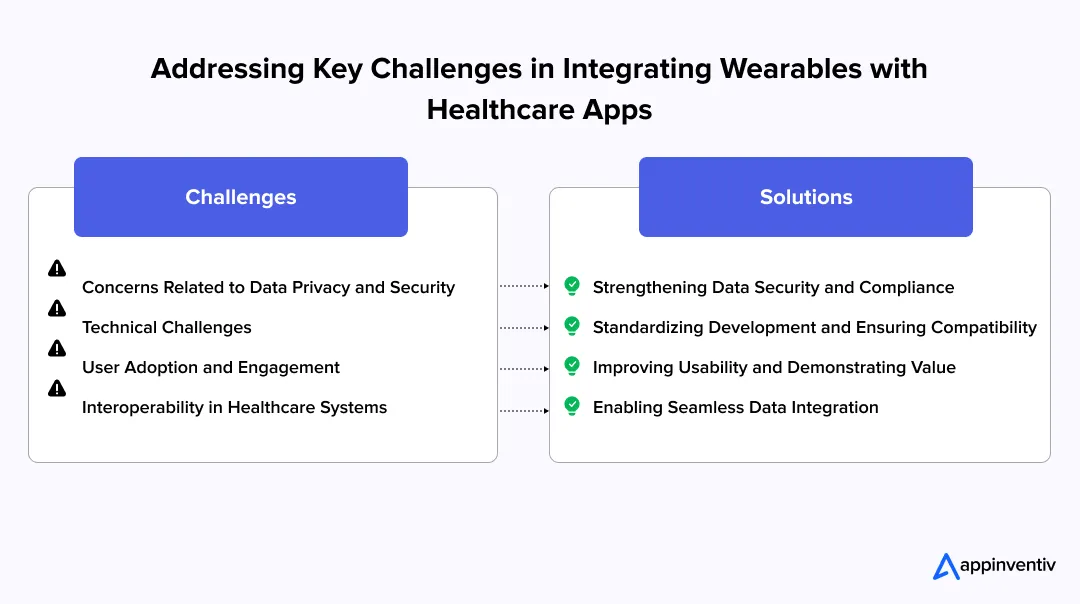
The convergence of wearables in healthcare presents a number of real-world issues, including the protection of sensitive information and compatibility between systems. These challenges in the way of the wearable revolution can be solved with smart moves.
Concerns Related to Data Privacy and Security
Devices used in medical wearable technology in healthcare collect highly sensitive patient data, which makes security a primary concern. Patient trust and regulatory risks can be compromised because of any breach.
Solution: It is necessary to use strong encryption, secure cloud infrastructure, and adhere to standards, including HIPAA compliance. Multi-layered security, such as authentication controls and frequent updates, can be used to safeguard data and assist in the safe usage of AI and wearable devices in healthcare.
Technical Challenges
A major challenge is to ensure that performance is smooth across various devices and platforms. Hardware and operating systems and data format differences may interfere with integration and performance.
Solution: Uniform development standards, extensive compatibility testing and frequent system updates are necessary. A consistent approach to building solutions that are stable across the environment helps stabilize performance and minimize friction in wearable technology for healthtech deployments.
User Adoption and Engagement
Although the advantages are obvious, adoption is low due to issues with usability, cost, and perceived value. Users can discard devices they find complicated or do not understand the purpose of.
Solution: Minimal interfaces, obvious understanding, and sensible health instructions enhance usability. Teaching users about the value over time will resolve the challenges of wearable technology in healthcare and promote long-term use.
Interoperability in Healthcare Systems
Most wearables fail to connect to existing clinical systems, causing data fragmentation and limiting clinical utility.
Solution: Data exchange can be facilitated with the adoption of standards like HL7 and FHIR. Enhanced integration would mean that wearables in healthcare would add to a single patient record to enhance care coordination and decision-making.
Future of Wearable Technology in Healthcare
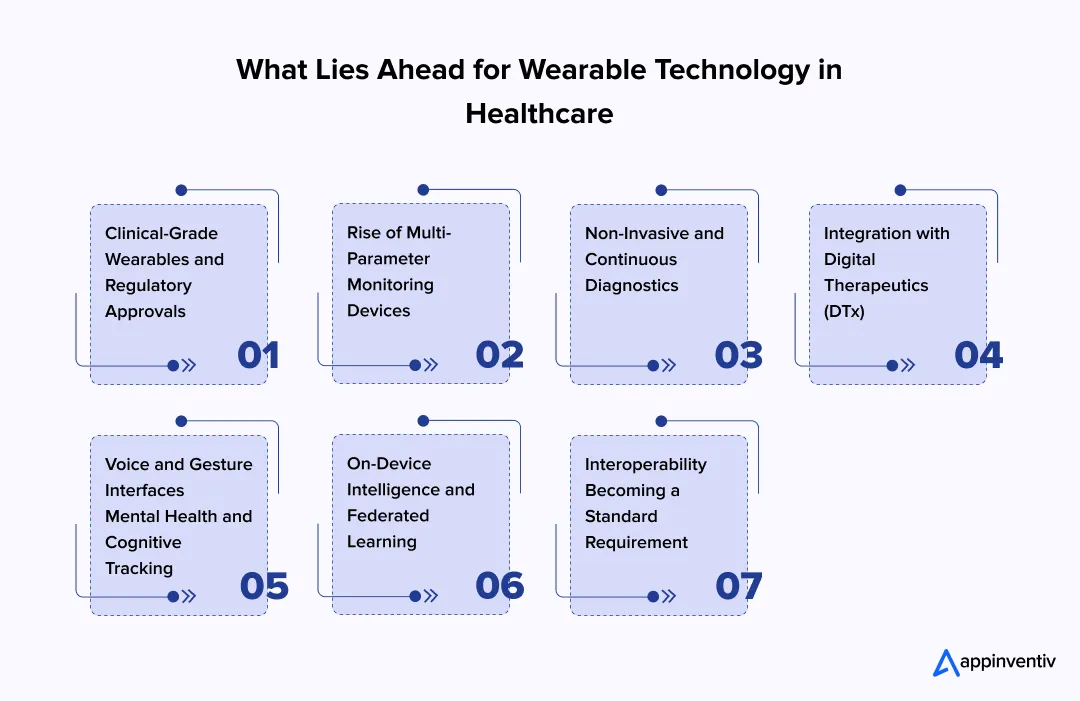
Wearables are starting to look less like add-on devices and more like part of routine care. What used to be basic tracking is now moving closer to clinical use. The shift is gradual, but clear. It is being shaped by closer links with healthcare systems, better sensing methods, and steady progress in AI in wearable technology. Let’s have a look at the key trends underpinning wearable development:
Clinical-Grade Wearables and Regulatory Approvals
There is a noticeable move toward devices that meet medical standards. Many wearables in healthcare are now cleared to monitor heart conditions, sleep disorders, and long-term illnesses. That changes how they are used. Instead of sitting on the sidelines, they are becoming part of actual treatment plans.
With the clinical-grade wearable market expected to reach $221 billion by 2034, this shift represents a broader acceptance of wearables as the apt tools for clinical care and management.
Rise of Multi-Parameter Monitoring Devices
Devices are no longer limited to one or two readings. A single unit can now track heart rate, breathing, temperature, and blood pressure together. It sounds simple, but it changes how data is understood.
The multiparameter patient monitoring systems market is expected to reach $21.42 billion by 2033, owing to the increasing demand for early diagnosis and quick treatment. This shift in medical wearable technology in healthcare gives a fuller picture without needing multiple devices.
Non-Invasive and Continuous Diagnostics
There is steady work toward making monitoring less intrusive. No one wants discomfort in something they have to wear all day. Efforts around needle-free glucose tracking and cuff-free blood pressure measurement are part of this. These changes make the use of wearable technology in healthcare easier to accept over long periods.
Integration with Digital Therapeutics (DTx)
Wearables are beginning to work alongside digital treatment programs, where guidance adjusts based on incoming data, especially in conditions like diabetes or heart disease. This is also evident in FDA-approved digital therapeutics software for substance use disorders, which have improved treatment adherence by 40% among low-income patients while reducing relapse rates. This shows how AI and wearable technology in healthcare can support more timely and responsive care.
Voice and Gesture Interfaces
Communication has become more direct, with wider use of voice commands and growing interest in gesture-based controls through wearable devices. The shift reflects a change in how users interact, rather than a simple expansion of features.
About 65% of physicians believe that voice AI can improve their workflow efficiency. It is less about saving effort, especially for users who might not be comfortable with screens at all times.
Talking about gesture interfaces, YouCOMM collaborated with Appinventiv to upgrade the old call bell systems in hospitals to a more responsive communication system that enhances care for patients with limited mobility and high response times.
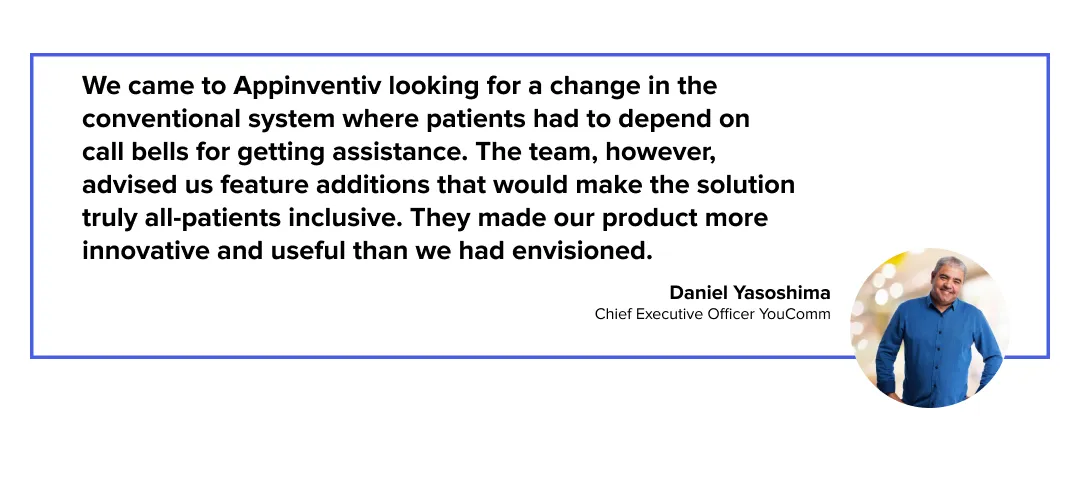
Our patient-centered platform has been deployed across more than 5 hospital chains in the US and has reduced nurses’ response time by 60% and helped over 3 hospitals obtain higher reimbursement from CMS.
Mental Health and Cognitive Tracking
Wearables are also slowly finding their way into the mental health monitoring industry. Sleep patterns, changes in stress and behaviour are being measured using signals. Recent studies show that 65% of patients who had an acute episode of mental health would be willing to receive wearable sensor surveillance, which contradicts previous beliefs and suggests a broader acceptance in clinical practices.
It is an emerging area, but it indicates that wearable health technology is no longer limited to physical measurements. Again, with AI merging with mental health apps, the ability to detect early warning signs and deliver timely, personalized interventions is steadily improving.
On-Device Intelligence and Federated Learning
Privacy is one of the primary concerns. Consequently, this has made processing to be done directly on the device rather than wholly on the cloud. This reduces the exposure of sensitive information and places control closer to the user.
Federated learning is also proving to have an apparent effect in fields like radiology and oncology, where predictive performance has improved by 15%, and the risk of data breach has decreased by 40% relative to centralized AI.
Interoperability Becoming a Standard Requirement
Healthcare systems are becoming stricter regarding data sharing. Without the ability to communicate with hospital systems or electronic records, the usefulness of a wearable will decline rapidly. This is what makes interoperability no longer an option. Wearables in healthcare are becoming a commodity.
Collaborate with us to ensure your systems are ready for what comes next.
Experience Seamless Wearable Integration with Appinventiv
As more individuals use healthcare wearables, more healthcare organizations are recognizing the significant potential of wearable technology. Increasing life expectancy and technological breakthroughs are also influencing insurance companies to re-evaluate their policies to accommodate the rising use of wearable devices. The devices are expected to reduce hospital visits and provide immediate, substantial on-demand primary care, thereby lowering people’s total healthcare expenses.
In regards to the future of wearable technology in healthcare, the opportunities are unlimited. With the ever-increasing automation, it is expected that additional healthcare facilities will begin to adopt wearable devices to improve patient care and healthcare delivery. Through wearable app development, providers can ensure a proactive and seamless mechanism of health management that takes some of the burden off the conventional healthcare systems.
Appinventiv has several years of experience as a reliable wearable app development company, which makes it prepared to take the lead in this change through offering innovative and user-friendly solutions. Having experience in incorporating new wearable technology into healthcare apps also implies that we are not merely following the wave, but in fact creating the future of how healthcare is delivered.
In case you have some innovative healthcare solutions to develop, contact us today. We are happy to assist you in moving forward to the next level in developing your healthcare products.
FAQs
Q. Why is wearable technology important in healthcare?
A. Wearable technology makes health outcomes better by constantly monitoring vital signs, physical activity, sleep patterns, and other health measurements. Such real-time data collection gives a more detailed picture of the health of a person, which cannot be achieved through periodic doctor visits, and so it is possible to notice that something is not right, like irregular heartbeats, activity changes, or unusual sleep patterns and prevent it before it turns into a serious health problem.
To handle chronic illnesses, wearables improve treatment plans by offering continuous monitoring data that assists healthcare professionals in making informed decisions regarding medication changes and lifestyle suggestions.
Moreover, wearable technology in healthcare promotes desirable behavioral changes due to objective feedback, as users learn more about their daily practices and can make informed health choices based on data that enhances adherence to the exercise routine, sleep patterns, and medication as prescribed.
Q. What are some of the top examples of wearable technology in healthcare?
A. Some of the leading examples of wearable technology in healthcare include:
- Smartwatches – Apple Watch Series complete with FDA-approved ECG monitoring.
- Fitness Trackers – Fitbit activity trackers and sleep trackers.
- Continuous Glucose Monitors (CGMs) – Dexcom G6 and Abbott FreeStyle Libre.
- Smart Rings – Oura Ring to stay healthy discreetly.
- Medical-grade Wearable Patches – Hospital-based remote surveillance devices for patients.
Q. How does wearable technology integrate with AI solutions?
A. AI and wearable technology in healthcare work through the following process:
Baseline Establishment: A baseline pattern of a particular user is determined by machine learning algorithms by using historical data, taking into account differences between individuals in normal physiological responses.
Constant Comparison and Control: AI is constantly checking the current readings against personalized baselines to identify anomalies or alarming trends, minimizing the number of false positives.
Predictive Analytics: AI models consider the tiniest shift of patterns that may cause diseases in advance, thus precautionary actions may be performed by detecting potential health risks several days prior to the onset of the symptoms.
Data Integration: Natural language processing will combine wearable data, electronic health records and self-reported symptoms to provide a healthcare provider with a wholesome view of the health status of the patient.
Personalized Recommendations: Based on individual health goals and medical history, the system delivers tailored advice for activity levels, sleep optimization, and health maintenance strategies.
Q. What are the benefits of wearable technology in healthcare?
A. The key benefits of wearable technology in healthcare include:
- Active Healthcare Management – Prevention and early diagnosis of health problems.
- Better Chronic Disease Management – More control over diabetes, cardiovascular and respiratory diseases.
- Improved Clinical Decision-Making – Extensive patient information outside of clinical visits.
- More Patient Engagement – Higher health pattern awareness and involvement.
- Advanced Population Health Research – Medical studies, data mining.
- Cost Reduction – Limited emergency treatments and hospitalizations.
- Remote Monitoring Capabilities – Decreased frequent clinical visits without degrading the quality of care.
Q. How is wearable tech reshaping preventive health?
A. Wearable technology devices in healthcare are moving to early detection and constant monitoring. They monitor vital signs, activity and sleep in real-time, assisting to detect risks even before the symptoms occur. This will enable early intervention, promote management of long-term conditions, and motivate people to play a greater active role in managing their health.
Q. What should organizations consider before adopting wearable technology?
A. Here’s what organizations should consider while adopting wearable technology:
- Determine the net impact of wearable technology in healthcare on patient care and patient outcomes.
- Make sure that data privacy, security standards and regulatory compliance are established.
- Accuracy, reliability and clinical validation of check devices.
- Integrate plans with current health systems and data platforms.
- Assess user adoption, training requirements, and the cost implications in the long term.


Fast 2-minute response, fully NDA-protected.

10+ Business Ideas to Launch in Saudi Arabia in 2026 and Beyond
Key takeaways: Saudi Arabia is rapidly evolving from an oil-dependent economy to a tech innovation hub, driven by Vision 2030, which has invested over $100 billion in AI and digital infrastructure, creating unprecedented opportunities for tech entrepreneurs. Prime business ideas include AI-powered solutions, cybersecurity services, FinTech platforms, smart city consulting, and health tech, all of…

10 Ways Artificial Intelligence is Transforming the Legal Services Industry
Christina Blacklaws, the former president of the Law Society, recently said in an interview, "I'd love to see firms embrace tech faster," capturing the palpable excitement around artificial intelligence in the legal industry. Today, legal firms are keeping pace with the latest AI trends to automate workflows, streamline research, and enhance client service. The adoption…

How Much Does it Cost to Build a Home Service App Like Urban Company?
The on-demand app industry has revolutionized consumer behavior, making access to essential services easier, faster, and more reliable than ever before. Whether it’s booking a professional cleaner, a plumber, or a beauty expert, apps like Urban Company have set new benchmarks for convenience and efficiency. This shift aligns with changing consumer expectations in a digital-first…