

































12+ Mobile App Monetization Strategies for 2026

 Share -



- 01Core Mobile App Monetization Models That Drive Scalable Revenue
- 02Subscription
- 03Freemium
- 04In-App Purchases (IAPs)
- 05Advertising
- 06Premium (Paid Apps)
- 07Data Monetization (Privacy-First)
- 08Sponsorships
- 09Affiliate & Referral Monetization
- 10In-App Commerce & Transaction Fees
- 11Donations, Tips & Crowdfunding
- 12Licensing, White-Label & OEM Deals
- 13Hybrid Monetization Is the Default in 2026
- 14Monetization Is Won or Lost in Conversion Systems (High-Impact Conversion Strategies)
- 15Common Pitfalls in App Monetization: Why Monetization Fails (Even in High-Growth Apps)
- 16The 4-Layer Monetization Stack
- 17How to Select the Right Mobile App Monetization Strategy for Your App
- 18How Can Appinventiv Help You Build a Revenue-Generating Mobile App?
- 19FAQs

Key takeaways:
- Monetization must be built into product architecture early, not added later, to drive consistent enterprise-scale revenue growth.
- Hybrid monetization models outperform single strategies by capturing value across diverse user segments and usage behaviors.
- Conversion systems such as paywalls, onboarding, and pricing timing determine revenue more than the monetization model itself.
- AI-driven monetization enables real-time pricing, personalization, and churn prediction, improving revenue without disrupting user experience.
- Enterprise apps that align monetization with user behavior and data systems achieve higher LTV and stronger long-term profitability.
Mobile apps no longer struggle with downloads. They struggle with revenue. Choosing the right app monetization strategies is now the real challenge. The market is projected to cross $1.2 trillion by 2035, growing at over 14% CAGR, yet many apps still fail to convert usage into income.
Many enterprise apps cross a million users and still fail to build a predictable income. The issue has not been reached. It is a weak monetization design. Most teams treat monetization as a late-stage feature, added after product-market fit is achieved.
That approach breaks in 2026.
User acquisition costs have increased across iOS and Android. Privacy rules such as Apple’s App Tracking Transparency and GDPR have reduced targeting accuracy. Subscription fatigue is real. Users now reject unclear pricing and low perceived value within minutes of onboarding.
So revenue depends on how early and how deeply monetization is built into the product.
Monetization now sits across onboarding flows, pricing logic, data systems, and user experience. It connects behavioral signals with revenue triggers. It adapts based on engagement, not assumptions.
This blog breaks down how leading apps design mobile app monetization as a system. It covers core revenue models, conversion mechanics, pricing strategies, and AI-driven optimization that drive long-term value, not short-term gains.
Billions of users interact with apps daily, but most revenue gaps come from weak monetization systems, not low engagement.
Core Mobile App Monetization Models That Drive Scalable Revenue
Most apps pick a monetization model early and stick with it. Yet with over 8.9 billion mobile subscriptions globally, user behavior is too diverse for a single model to work at scale. That works at a small scale. It breaks once user segments grow and behavior starts to vary.
Each model below solves a specific revenue problem. The key is knowing when to use it and how to execute it with precision. Strong apps do not rely on one model. They combine them based on how users interact with the product.
Subscription
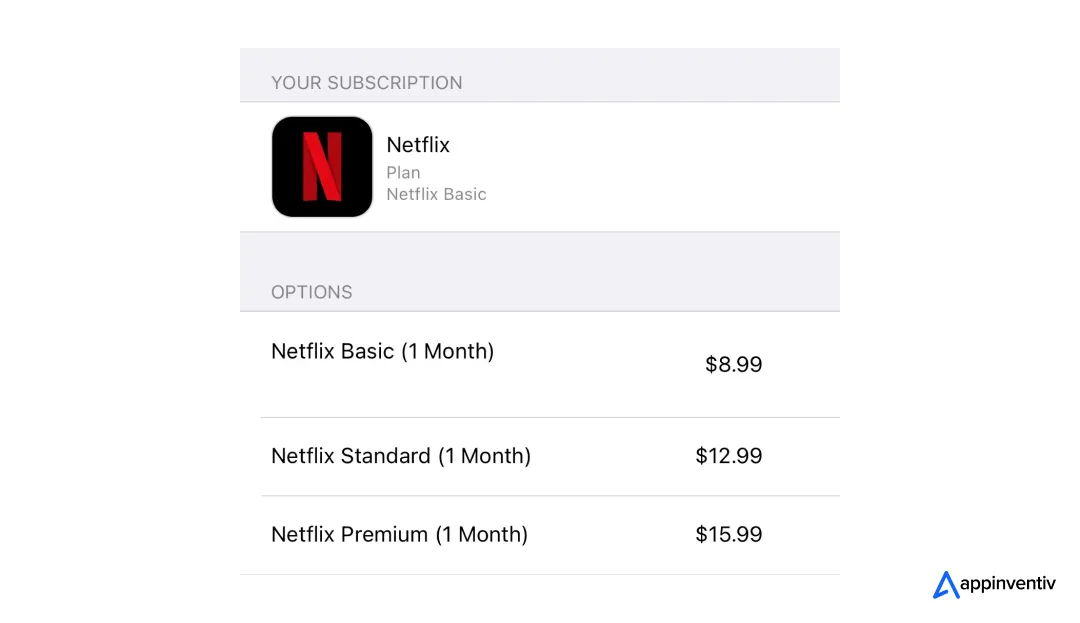
Users pay periodically to keep access. This model fits products people return to often. Think of tools that manage work, track health, or deliver fresh content every week.
Use this when:
- Users open the app several times a week
- Value increases as users invest more time
- Data, history, or progress builds over time
Execution depends on retention. If users stop coming back, revenue drops within one billing cycle. Track weekly active users and feature usage closely. A drop in engagement often shows up weeks before cancellations.
Pricing needs structure. Many enterprise apps now use tiered pricing based on usage or access. For example, charge by number of projects, seats, or API calls.
A flat monthly fee works only when usage patterns stay similar across users.
Freemium
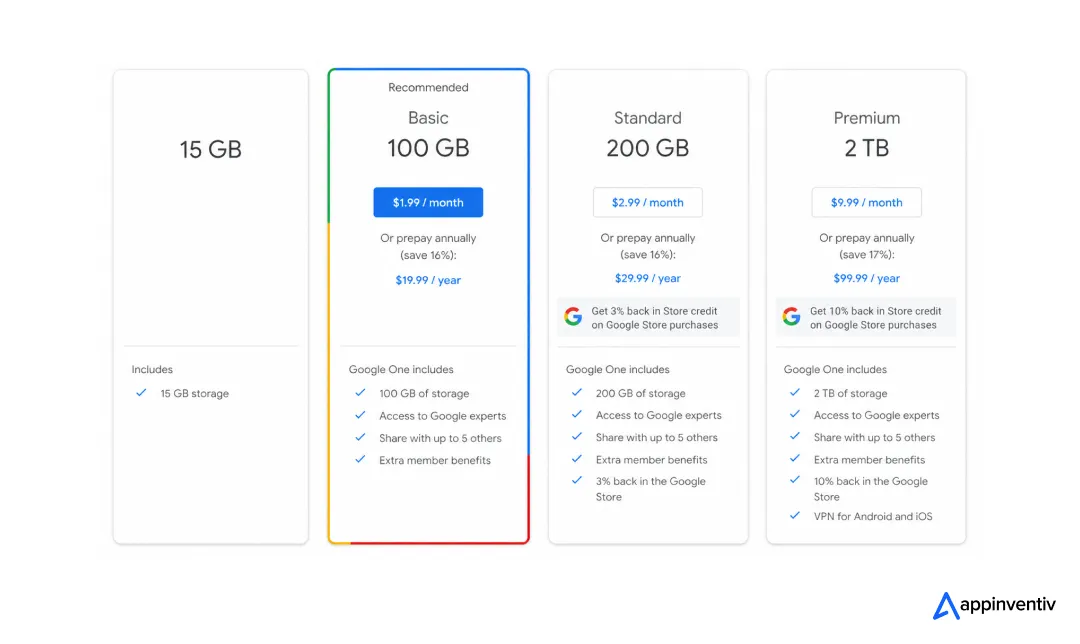
Users start for free, then upgrade for more value. This model helps remove friction at the entry stage. It works well when users need time to understand the product before paying.
Use this when:
- The product is easy to try but harder to explain
- Large user volume improves the product
- Premium features offer clear, measurable benefits
The free version should feel useful but limited if users can complete all key tasks without paying, upgrades stall. If the free version is too restricted, users leave early.
A common approach is to gate advanced features. Limit exports, integrations, or advanced insights. Another approach is usage limits, like the number of actions per month.
Track conversion from active users, not total downloads. A small but engaged base often converts better than a large inactive one, which reflects how apps make money in practice.
In-App Purchases (IAPs)
Users pay for specific features, upgrades, or digital items. This model works best in products where users make repeated decisions. Games use it for items. Creator tools use it for templates or assets.

Use this when:
- Users perform repeat actions
- Personalization improves experience
- Small upgrades feel meaningful
Timing is critical. Present offers when users feel progress or hit a limit. For example, offer extra storage when a user runs out, or advanced filters after they complete a task.
Prices should cover small and large purchases. Low-cost items drive volume. Bundles increase total spend. Many apps use price points between $1 and $20 for most purchases.
Keep the purchase flow short. Every extra step reduces conversion.
Advertising
Revenue comes from showing ads inside the app. This model suits products with high traffic and low willingness to pay. News apps, casual games, and social platforms rely on it.
Use this when:
- Daily active users are high
- Sessions are frequent
- Users resist direct payments
Ad format affects retention. Banner ads are easy to implement but often ignored. Interstitial ads can increase revenue but interrupt the experience. Rewarded ads perform better since users choose to watch them in exchange for value.
Placement matters as much as format. Show ads between actions, not during them. Poor placement leads to faster drop-off.
Track revenue per thousand impressions and session duration. A rise in ad revenue with a drop in session time often signals long-term risk.
Premium (Paid Apps)
Users pay upfront before using the app. This model works in niche segments where the value is clear from the first use. Examples include professional tools or specialized utilities.
Use this when:
- The problem is urgent and specific
- Users understand the value before trying
- Competition is limited or weak
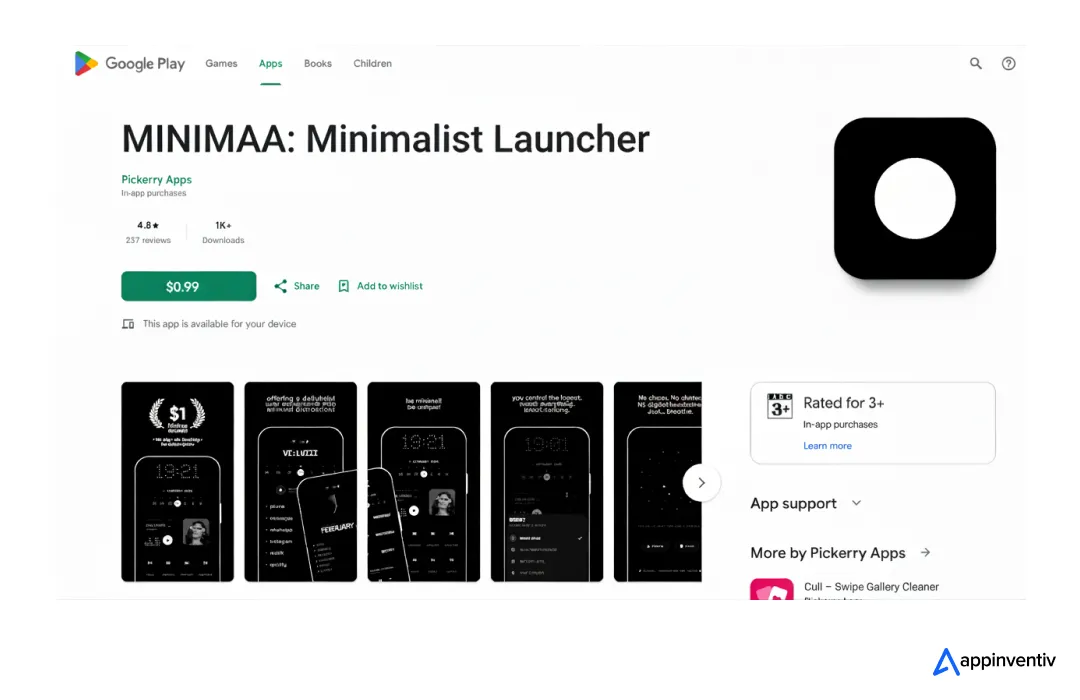
Conversion depends on trust. The app store page must explain the value quickly. Screenshots, reviews, and ratings influence decisions.
Refund rates are a useful signal. High refunds often mean the value was not clear before purchase. This model works better for focused audiences than for broad consumer markets.
Data Monetization (Privacy-First)
Revenue comes from aggregated and anonymized data. This model fits platforms that collect large volumes of behavioral or transactional data. Retail, mobility, and fintech apps often explore this path.
Use this when:
- The app generates consistent data at scale
- Patterns in the data hold business value
- Compliance systems are already in place
Raw data is rarely useful. Buyers look for patterns, benchmarks, or forecasts. For example, a mobility app can sell traffic insights, not individual user data.
Compliance is critical. Data must be anonymized and aligned with regulations such as GDPR. Users must understand how their data is used.
This model takes time to build. It rarely generates quick returns but can become a strong revenue layer later.
Sponsorships
Brands pay to be part of the app experience. This model works best in focused communities where users share clear interests. Fitness, education, and gaming apps often use it.
Use this when:
- The audience is well defined
- Engagement levels are high
- Brand alignment is strong
Integration matters. A sponsored challenge or feature often performs better than a simple banner. For example, a fitness app can run a branded workout program.
Pricing depends on engagement, not just reach. Active users carry more value than total downloads. Poor alignment between brand and audience reduces trust.
Affiliate & Referral Monetization
The app earns a commission by directing users to other products or services. This model fits apps where users compare options or seek recommendations. Travel, finance, shopping, and cashback apps use it widely.
Use this when:
- Users show clear purchase intent
- Recommendations fit naturally into the flow
- Partnerships are relevant to user needs
Placement should match user intent. Show referrals after a comparison or decision step. For example, after listing hotels, show booking options.
Track conversion rate per referral. Low conversion often points to poor targeting or weak partner fit. Trust plays a large role here. If recommendations feel forced, users stop engaging.
In-App Commerce & Transaction Fees
Users complete transactions within the app. Revenue comes from commissions, service fees, or product margins. Marketplaces and service platforms rely on this model.
Use this when:
- The app connects buyers and sellers
- Transactions occur often
- Payment systems are reliable
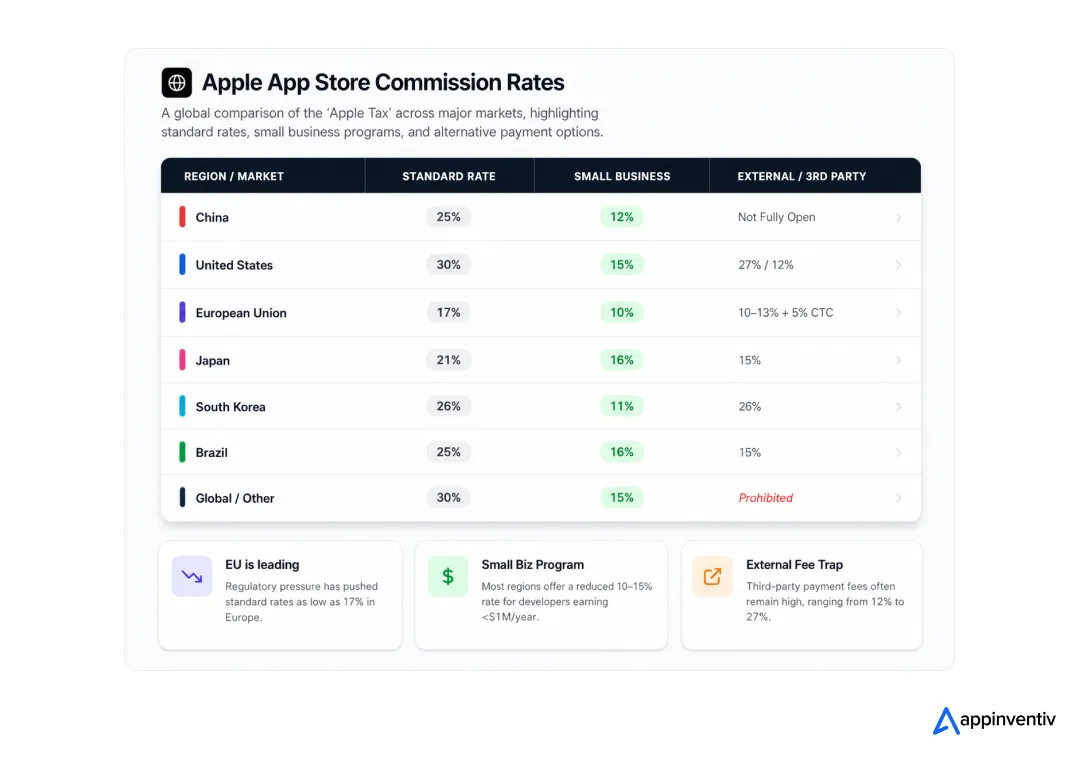
The checkout process must stay simple. Long forms and multiple steps reduce completion rates. Features such as saved payment methods and one-click checkout improve results.
Track key metrics such as take rate, transaction volume, and repeat purchases. Even small improvements in conversion rates can increase revenue at scale. Trust and security play a direct role in success.
Real-world ecommerce apps show how transaction design directly drives measurable revenue growth.
Appinventiv developed Edamama, an ecommerce platform optimized for high-volume transactions and repeat purchases. By refining checkout flows and purchase journeys, the app supports millions of users and consistent order growth. This shows how strong product and UX decisions translate into real revenue outcomes. Read the full case study here.
Donations, Tips & Crowdfunding
Users contribute voluntarily to support the platform or creators. This model works in community-driven apps where users feel a strong connection.
Use this when:
- Content or value feels personal
- Users engage frequently
- A sense of community exists
Placement matters. Ask for support at moments when users see clear value, like after completing a course or enjoying content. Small contributions often drive most of the volume. Keep the process simple and visible. This model works best as a supporting stream, not the main source of revenue.
Licensing, White-Label & OEM Deals
Businesses pay to use or white-label your product. This model shifts the focus from end users to enterprise clients. It is common in SaaS and infrastructure platforms.
Use this when:
- The product solves a repeatable business problem
- The architecture supports customization
- Demand exists across multiple clients
Revenue comes through contracts rather than user activity. Stability increases, but sales cycles become longer. Focus on APIs, modular design, and security. Enterprise clients expect control and flexibility. This model can produce high margins and steady income once established.
Also Read: Custom vs White Label Development
Insight
No single model works across all users. The most effective ways to monetize apps combine multiple revenue streams based on how users interact with the product. Behavior changes based on intent, usage, and context. Strong apps layer multiple models. Free users may see ads. Regular users may subscribe. Power users may spend on upgrades or transactions.
This layered structure allows the product to capture value at different stages of the user journey. It also reduces reliance on any single revenue stream. This shift sets the base for hybrid monetization, where multiple models work together to drive consistent revenue growth.
Hybrid Monetization Is the Default in 2026
Most apps no longer rely on a single revenue model. The shift toward layered app monetization methods is driven by scale, as billions of users interact with apps in very different ways. User behavior varies across segments, and each group shows a different willingness to pay.
A single approach leaves revenue on the table. Hybrid monetization allows apps to match pricing and access to actual usage patterns.
Why this shift matters:
- New users prefer free access
- Regular users accept subscriptions
- Power users spend more on upgrades or transactions
Common combinations used at scale:
- Ads + Subscription
- Freemium + In-app purchases
- Commerce + Transaction fees
Hybrid Monetization (Architecture-Level Breakdown)
Hybrid monetization works only when it is designed at the system level, not added later.
Key building blocks:
- Revenue layering strategy: Combine multiple models without disrupting the experience.
Example: Ads for free users, subscription for frequent users
- Feature gating logic: Control access based on use or value.
Example: Limit exports, premium features, or advanced tools
- User segmentation models: Group users based on behavior, not demographics.
Example: frequency, session time, spend history
Example Monetization Framework
| User Segment | Behavior Pattern | Monetization Model |
|---|---|---|
| Free users | Low engagement, high volume | Advertising |
| Engaged users | Regular usage, repeat sessions | Subscription |
| Power users | High usage, customization needs | IAPs / Premium tiers |
This structure allows apps to extract value at every stage without forcing all users into one model.
Multi-platform ecosystems highlight how layered monetization drives revenue across different user segments.
Appinventiv developed Reelmedia, a multi-app platform designed to support diverse user journeys and content distribution. Its architecture enables multiple monetization paths within a single system, helping capture value across segments. This structure supports scalable revenue across products and engagement levels. Read the full case study here.
Paywalls & Micro-Paywalls
Paywalls have changed in both their appearance and when they trigger.
Evolution of paywalls:
- Static: Same screen shown to every user
- Contextual: Triggered after specific actions
- Behavioral: Based on usage patterns and intent
Micro-paywalls focus on smaller, targeted payments instead of full subscriptions.
- Unlock a single feature
- Pay for one report or asset
- Upgrade for a short duration
These reduce hesitation. Users are more willing to pay small amounts tied to immediate value.
Why this works:
- Lowers decision friction
- Matches pricing with intent
- Increases conversion without harming retention
Strong apps place paywalls at moments of value, not at random entry points. Timing and relevance decide whether a user converts or leaves.
Single models fail at scale. Build layered monetization systems that capture value across user segments and behaviors.
Monetization Is Won or Lost in Conversion Systems (High-Impact Conversion Strategies)
Many apps grow fast in downloads but struggle to generate revenue. The gap sits in conversion.
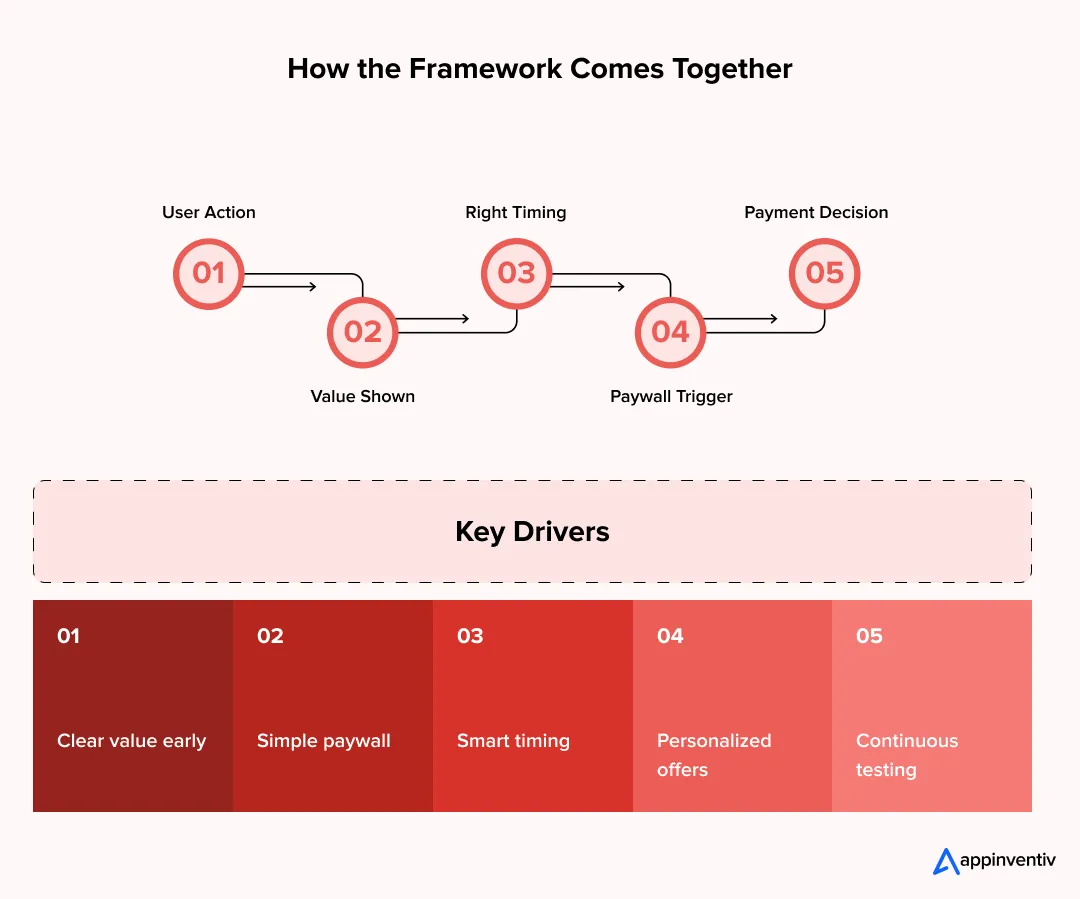
Users do not pay just for using a product. They pay when the value is clear at the right moment. Timing, clarity, and context decide that moment.
Cluster 1: Paywall Optimization Systems
Paywalls act as the main decision point. Small changes here can shift revenue in a visible way.
Three-Step Paywall Funnel
This method breaks the paywall into a clear sequence that mirrors how users think before making a purchase decision.
- Start by showing the outcome the user gets
- Follow with a reason to trust the product, such as a trial or easy cancellation
- Show pricing at the end
This flow feels natural and reduces resistance during the decision stage.
Simplified Paywall Design
A cluttered paywall creates confusion and delays decisions. Simplicity helps users focus on the value and act faster.
- Limit the screen to one main option and one secondary choice
- Use short copy and clear pricing
- Avoid long feature comparisons
Cleaner layouts often improve conversion by reducing decision fatigue.
Multiple Paywall Touchpoints
Relying on a single paywall misses many conversion opportunities across the user journey.
- Show prompts after meaningful actions
- Trigger paywalls when users reach limits or complete tasks
- Reinforce value across multiple sessions
These repeated, well-timed prompts increase the chances of conversion without overwhelming the user.
Cluster 2: Trial & Entry Strategies
The first payment step shapes long-term behavior and sets expectations around value.
Paid Intro Offers
A small upfront payment filters users who show clear intent and reduces low-quality sign-ups.
- Charge a low entry fee instead of offering a free trial
- Attract users who are ready to commit early
- Improve retention compared to free-only entry models
Users who pay early tend to stay longer and engage deeper.
Reverse Trial
This approach lets users experience the full product before asking them to commit financially.
- Give full access from the start
- Allow users to explore premium features without restriction
- Restrict access later if they do not upgrade
This works well in products where value becomes clear through use.
Trial-to-Discount Strategy
Some users see value but hesitate at full price. This strategy targets that specific group.
- Offer a limited discount after the trial ends
- Use usage data to identify interested users
- Present time-bound offers to encourage action
This helps recover users who are price-sensitive but engaged.
Cluster 3: Behavioral & UX Monetization
User experience plays a direct role in how users perceive value and decide to pay.
Secondary Onboarding for Monetization
Initial onboarding explains the basics. A second layer introduces users to premium features at the right time.
- Guide users through advanced features after initial usage
- Show how paid features improve outcomes
- Reinforce value before prompting payment
This builds familiarity and reduces hesitation during upgrades.
Value-Based Onboarding
Users decide quickly if a product is worth paying. Early outcomes shape that decision.
- Focus on results instead of features
- Show quick wins within the first few sessions
- Reduce time to first meaningful action
Clear value early increases the likelihood of conversion later.
Cluster 4: Pricing & Psychology
Pricing works best when it matches how users think and evaluate value in real time.
Pricing Psychology & Framing
The way pricing is presented affects how users perceive cost and value.
- Break pricing into smaller units, such as weekly or daily costs
- Highlight one plan as the default choice
- Use simple labels to guide decisions
Small changes in presentation can shift user preference and increase conversions. Choosing the right app pricing strategy from the start makes this execution far more effective.
“Pay What You Want” Pricing
This model gives users flexibility and builds trust in products with strong community or niche appeal.
- Allow users to choose a price within a defined range
- Encourage participation from hesitant users
- Works well in creator-driven or value-based platforms
Users often choose fair pricing when they understand the value clearly.
Cluster 5: Intelligence Layer
Modern monetization depends on how well systems respond to user behavior in real time.
AI-Powered App Monetization Optimization
Data-driven systems adjust offers, timing, and pricing based on how users interact with the product.
- Track behavior across sessions and features
- Adjust paywalls based on engagement patterns
- Personalize offers for different user segments
This improves conversion by aligning monetization with actual user intent.
Conversion systems decide how much value an app captures from its users. The model sets the direction. Execution decides the outcome.
How AI Is Reshaping Monetization
AI changes how apps deploy app monetization techniques. It removes guesswork and replaces it with data-backed actions.
- Predicts churn by tracking a drop in usage and session frequency
- Adjusts pricing based on user behavior and engagement levels
- Shows personalized paywalls tailored to each user segment
- Runs continuous A/B tests across pricing, timing, and offers
- Triggers real-time offers when intent signals are high
Apps that use AI respond faster to user behavior and capture more revenue without disrupting the experience. Building this capability starts at the product level, which is why knowing how to build an AI app gives teams a real monetization edge.
Common Pitfalls in App Monetization: Why Monetization Fails (Even in High-Growth Apps)
Many apps grow fast but still struggle with revenue. These mobile app monetization challenges usually come from small gaps that build over time.
- Over-monetization → churn
Too many ads or early paywalls frustrate users. They leave before seeing value.
Fix: Show pricing after users complete meaningful actions. Let value come first. - Under-monetization → lost revenue
Some apps wait too long to charge. Users get used to free access and never upgrade.
Fix: Introduce limits early. Use trials or small paid features to set expectations. - Ignoring UX
Complicated flows reduce payments. Even interested users drop off.
Fix: Keep onboarding, pricing, and checkout simple. Fewer steps lead to more conversions. - Lack of testing culture
Fixed pricing and static paywalls stop growth. Teams miss what actually works.
Fix: Test different prices, offers, and timing. Use real user data to guide changes. - Misaligned pricing
One plan does not fit every user. Some pay too little, others do not pay at all.
Fix: Create tiers based on usage. Match pricing with how people use the product.
Revenue issues rarely come from the model alone. They come from how it is applied across the product.
The 4-Layer Monetization Stack
Most apps treat app monetization as a single decision. High-performing products build their app monetization models and strategies as a system with four connected layers. This same thinking sits at the core of what separates an average product from a billion-dollar app.
- Revenue models: What users pay. Subscriptions, ads, transactions, or a mix based on product type
- Conversion systems: How users move from free to paid. Paywalls, trials, and in-product prompts drive this shift
- Pricing intelligence: How pricing adapts. Usage data, testing, and segmentation guide pricing decisions
- Experience design: How value is shown. Onboarding, feature access, and timing shape user perception
Each layer depends on the others. Weak links reduce total revenue.Getting these layers right from day one is why the team you hire to build your app matters as much as the strategy itself.
Strategy alone will not drive revenue. Build and deploy monetization systems that scale across users and markets.
How to Select the Right Mobile App Monetization Strategy for Your App
Knowing how to monetize an app starts with recognizing that there is no single model that fits every product. It often begins even earlier, at the stage of choosing a viable mobile app business idea.
What works depends on how people use the product and how quickly they see value. A better starting point is simple. Look at usage patterns, then match pricing to those patterns.
The key factors to choose app monetization model include the following checks:
- App category
A work tool often supports monthly plans. A marketplace earns from each order. A media app may rely on ads or paid access. - User behavior patterns
People who return often accept recurring plans. Users who visit once in a while prefer one-time payments or free access. - Market maturity
In newer markets, free entry helps build trust. In established markets, users pay faster if the benefit is clear. - Regulatory constraints
Data rules affect ads and data-based revenue. Payment rules differ by region and can limit certain models. - Revenue goals
If the focus is on early cash flow, ads and small purchases help. If the focus is steady income, recurring plans work better.
Monetization Strategy Matrix
This mobile app monetization strategy groups users by how often they use the app and how much value they get from it.
| Engagement | Low Value Users | High Value Users |
|---|---|---|
| Low Engagement | Ads, free access | Intro plans, basic tiers |
| High Engagement | Small purchases | Subscriptions, upgrades |
This setup keeps pricing fair and easier to accept. It also helps capture more revenue from users who rely on the product often.
How Can Appinventiv Help You Build a Revenue-Generating Mobile App?
Understanding the importance of mobile app monetization is why it works best when built into the product from the start, rather than added as a final layer after launch. Today, over 80% of enterprises allow mobile device usage for work, which increases both usage complexity and monetization opportunities. It should not sit as a final layer added after launch.
Appinventiv, a top mobile app development services company, focuses on designing end-to-end mobile app monetization systems where revenue flows align with user behavior, product structure, and long-term growth.
This becomes critical as 63%large enterprises, where monetization must scale across complex user segments drive + of the enterprise app market share.
What this looks like in practice:
- Monetization logic built into onboarding, feature access, and user journeys
- Pricing systems shaped around usage patterns and engagement signals
- Continuous testing across paywalls, offers, and pricing models
- Data tracking that connects user actions to revenue outcomes
Execution at scale:
- 2000+ applications delivered across global markets
- 100M+ app downloads achieved for clients
- Average MVP delivery in 3 weeks
- 10+ years of experience across product and engineering
- 35+ industries covered with domain-specific builds
Operational strength:
- 95% client satisfaction rate
- 90% repeat client base
- 99.90% uptime SLA across deployed systems
- 2x faster deployment cycles through structured delivery models
- 1600+ tech specialists across teams
Global presence and partnerships:
- 5+ international offices
- 15+ global recognitions and awards
- 5+ strategic federal partnerships
Apps that scale revenue are not built by chance. They are built around proven app monetization strategies, tested continuously, and refined based on real user behavior. Let’s connect and fix delayed monetization decisions today!
FAQs
Q. What monetization strategy generates the most revenue?
A. There is no single model that always wins. Subscriptions bring steady income over time, so many SaaS and content apps rely on them. Marketplaces earn more through transaction fees once volume grows. Ad-based models work only with very high traffic. The strongest apps mix models. They charge power users, monetize free users through ads, and add purchases where it fits user behavior.
Q. What is an app monetization strategy?
A. App monetization strategies are a clear plan for how a product earns money. They cover what users pay for, when they see pricing, and how payments happen. This includes subscriptions, ads, one-time purchases, or a mix. They also define how value is shown before asking for payment. In simple terms, it connects product usage with revenue in a structured way.
Q. How do you choose the right mobile app monetization strategy for your app type?
A. Start with usage. If people open the app daily, a subscription fits well. If use is occasional, one-time payments or ads make more sense. Marketplaces earn from each transaction. Content apps often mix ads with paid access. See how fast users see value and how often they return. The right model follows behavior, not assumptions.
Q. What is the best monetization strategy for new mobile apps in 2026?
A. New apps need low friction at launch. Freemium works well since users can try the product without risk. Small purchases or light ads can bring early revenue. Once users return often and see value, paid plans can be introduced. The focus should stay on building trust first — that is the foundation of learning how to monetize your mobile app effectively as engagement grows.
Q. How does AI improve mobile app monetization strategies and revenue?
A. AI studies how users move through the app. It tracks actions, drop-offs, and repeat behavior. With this data, it adjusts when to show offers and what price to show. For example, it can delay a paywall for active users or offer a discount to users who slow down. This leads to better timing and higher conversion without guessing.
Q. What are the benefits of app monetization?
A. Monetization helps turn user activity into a steady income. It improves return on acquisition costs and supports long-term growth. It also shows which features users value enough to pay for. This helps teams focus on what matters. A good setup keeps users engaged while generating revenue, instead of pushing them away with poor pricing decisions.


Fast 2-minute response, fully NDA-protected.

How Much Does It Cost to Develop a Remote Patient Monitoring App in the UAE?
Key takeaways: Feature scope and system integrations, not the app itself, determine your final development cost. DHA, DOH, and MOHAP compliance must be built into your architecture from day one. Wearables, EHRs, and health information exchanges are the biggest technical cost drivers. A successful RPM platform combines continuous monitoring, clinical workflows, and secure interoperability. Early…
How Much Does It Cost to Develop an App Like Herfy in 2026?
Key takeaways: Herfy-like app development costs SAR 150,000 to SAR 1,500,000 ($40,000 to $400,000). Costs rise with rider tracking, POS sync, kitchen displays, loyalty, and branch controls. Saudi apps need Arabic UX, Mada, STC Pay, VAT, and ZATCA-ready invoice flows. Peak loads during Ramadan, Eid, and weekends need strong backend and load testing. A phased…
Key takeaways: The operating model determines survival. The code does not. Compliance under PDPL in the UAE and SDAIA in Saudi Arabia must be engineered into architecture, not added before launch. A serious build costs between AED 147,000 and AED 1,470,000 (USD 40,000 to USD 400,000), depending on scope. The single largest cost most operators…